
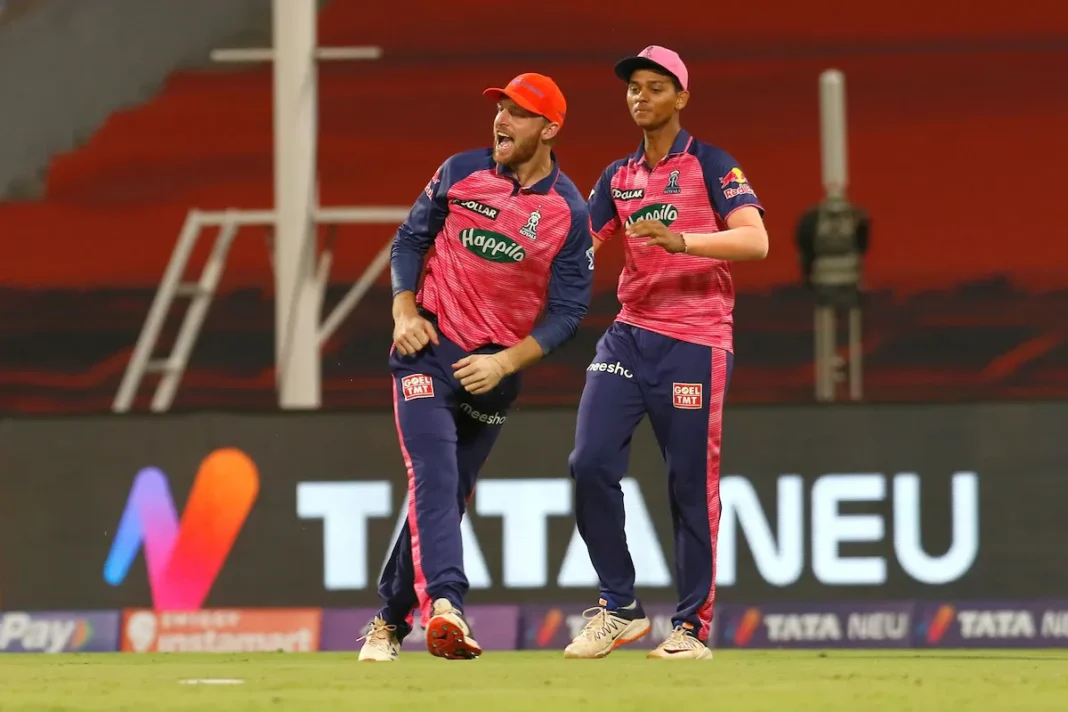

Purple Cap Leaderboard rankings often provide the most thrilling subplot in the high-octane world of the Indian Premier League. I remember sitting in the stands during a particularly humid night in Chennai, watching as the cap changed hands twice in a single match. It is not just a piece of headgear; it is a symbol of a bowler’s relentless pursuit of excellence in a format that is notoriously cruel to them. When you see a bowler wearing that vibrant purple cap on the field, you are looking at the current king of the hill, the man who has outsmarted the world’s best batters one delivery at a time. This constant shifting of power is what keeps fans glued to their screens, checking the latest updates after every wicket falls.
The Indian Premier League has always been marketed as a batter’s paradise. With short boundaries, flat pitches, and the introduction of the impact player rule, bowlers are frequently under the pump. However, the creation of the wicket-taking leaderboard brought a much-needed balance to the narrative of the tournament. It celebrated the craft of the seamers and the guile of the spinners, giving them a tangible goal to chase throughout the two-month-long cricketing carnival. The journey to the top of this list is never easy, requiring a mix of extreme fitness, tactical intelligence, and the courage to bowl the difficult overs when the game is on the line.
Historically, the race for the most wickets has seen a fascinating mix of international superstars and unheralded domestic talent. From the inaugural season in 2008, when Pakistan’s Sohail Tanvir stunned the world with his unusual action, to the modern era dominated by the likes of Mohammed Shami and Rashid Khan, the diversity of bowling styles is immense. Every year, a new hero emerges, often coming from the shadows to outshine the legends. This unpredictability is the heartbeat of the league, ensuring that the competition for the top spot remains fierce until the very last ball of the final.
The Significance of the Purple Cap Leaderboard in Modern T20
In the modern era of T20 cricket, the Purple Cap Leaderboard serves as a vital barometer for team success. While individual accolades are secondary to the trophy, statistics consistently show that teams with bowlers high on this list tend to make the playoffs more often. A wicket-taking bowler does more than just add to their personal tally; they break the momentum of the opposition, force new batters to start from scratch, and lower the overall projected total. This strategic value makes every entry on the leaderboard a potential match-winner for their franchise.
The math behind the leaderboard is straightforward yet brutal. A bowler earns their spot based on the total number of wickets taken during the season. However, in the event of a tie, the economy rate becomes the deciding factor. This adds a layer of complexity to the competition. A bowler cannot simply hunt for wickets by being expensive; they must maintain a level of control that prevents the game from slipping away. This dual requirement of aggression and restraint is what defines the elite T20 bowler, making the race for the purple cap a true test of a player’s all-around bowling discipline.
We have seen seasons where the lead has changed dozens of times. This “musical chairs” aspect of the competition creates a unique pressure on the players. A bowler might take a three-wicket haul in the first innings to claim the cap, only to see a rival from the opposing team take four in the second innings to snatch it back. This immediate feedback loop is a testament to the high stakes involved. It encourages bowlers to keep innovating, whether it is through a new variation of the slower ball or a perfectly executed wide yorker that catches the batter off guard.
Tactical Variations Needed to Dominate the Purple Cap Leaderboard
To stay relevant on the Purple Cap Leaderboard, a bowler must possess a versatile toolkit. The days of relying solely on raw pace are long gone. Modern batters are too skilled at using the pace of the ball to their advantage. Today, the most successful wicket-takers are those who can manipulate the speed and trajectory of the ball. We see knuckleballs, back-of-the-hand slower balls, and subtle changes in the release point being used as primary weapons. These variations are designed to deceive the batter’s timing, leading to mistimed shots and catches in the deep.
Spinners have also found a significant home at the top of these rankings. On the dusty, turning tracks of India, leg-spinners in particular have been incredibly effective. Their ability to turn the ball both ways and offer “mystery” deliveries makes them difficult to read under the lights. Bowlers like Yuzvendra Chahal and Rashid Khan have proven that spin can be just as lethal as pace in the powerplay and the middle overs. By flighting the ball and tempting the batter to go big, they create numerous opportunities for stumpings and catches, slowly climbing the ranks of the leaderboard through sheer guile.
The role of the “Death Over Specialist” is perhaps the most critical for anyone eyeing the top spot. The final four overs of an innings are when the most wickets usually fall, as batters take extreme risks to boost the score. A bowler who can execute yorkers with pinpoint accuracy during this phase is worth their weight in gold. Harshal Patel’s record-breaking 2021 season was a masterclass in this regard. By using his deceptive slower balls and dipping yorkers at the death, he managed to pick up wickets in clusters, proving that a bowler does not need to be the fastest to be the most effective.
Historical Icons Who Defined the Leaderboard
Looking back at the history of the tournament, certain names stand out for their consistency in the Purple Cap Leaderboard race. Lasith Malinga is arguably the most iconic of them all. With his unique slinging action and toe-crushing yorkers, he remained a constant threat for over a decade. He wasn’t just a wicket-taker; he was a psychological weapon for the Mumbai Indians. His ability to deliver under pressure set the standard for every overseas fast bowler who followed. Malinga’s legacy is etched in the statistics, but more importantly, it is etched in the memories of fans who watched him dismantle batting lineups with ease.
Bhuvneshwar Kumar is another legendary figure, being the first bowler to win the cap in back-to-back seasons. His mastery of swing in the powerplay and his pinpoint control at the death made him a complete T20 package. Bhuvneshwar’s success showed that traditional skills like moving the ball both ways still have a place in the shortest format of the game. He didn’t rely on gimmicks; he relied on impeccable lines and lengths. His journey to the top was a testament to the fact that consistency and accuracy are often more valuable than raw, unguided aggression.
In more recent years, we have seen the rise of international stars like Kagiso Rabada and Dwayne Bravo. Bravo, with his “champion” personality, brought a sense of flair to the leaderboard. His use of the slower ball became a template for many young pacers. Rabada, on the other hand, brought sheer intimidation and high-octane pace. These players represent the global nature of the league. They bring different schools of bowling to the Indian sub-continent, enriching the tournament and providing a stern challenge to the domestic batters. Their presence at the top of the list is a reminder that the IPL is truly a world-class competition.
The Psychological Pressure of Leading the Wicket Tally
There is an unspoken pressure that comes with wearing the purple cap on the field. It makes you a marked man. When a batter sees the current leader of the wicket tally standing at the top of their run-up, they often feel a mix of caution and a desire to prove a point. Some batters will try to play the leader out safely, while others will target them aggressively to shatter their confidence. Managing this target on your back requires a strong mental game. A bowler must be prepared to be hit for a six and still have the conviction to bowl the same delivery again if that is what the plan requires.
I have spoken to several domestic players who mentioned that seeing their name on the leaderboard for the first time was an overwhelming experience. It changes the expectations of the team and the fans. Suddenly, you are expected to be the “breakthrough” man in every match. This can sometimes lead to bowlers trying too hard, resulting in a loss of rhythm. The most successful leaders are those who can block out the noise and focus on the process rather than the outcome. They treat the cap as a byproduct of good bowling rather than the primary goal.
The leaderboard also creates an internal competition within the team. While everyone wants the team to win, there is a healthy rivalry among the bowlers to see who can take more wickets. This push and pull often leads to better performances overall. When one bowler sees their teammate climbing the ranks, it motivates them to step up their game. This collective hunger for wickets is what makes a bowling unit truly formidable. It is a shared journey toward excellence where the purple cap acts as the ultimate prize for the most dedicated performer.
Venue Influence and Pitch Conditions
The geographical diversity of India plays a massive role in how the Purple Cap Leaderboard takes shape. A bowler playing half their games at the M. Chinnaswamy Stadium in Bengaluru faces a vastly different challenge compared to one playing at the Ekana Stadium in Lucknow. In Bengaluru, the short boundaries and high altitude favor the batters, meaning bowlers have to be incredibly creative to survive. Here, wickets often come from batters mis-hitting a ball that would have cleared the fence elsewhere. Conversely, on the slower, tackier pitches of Lucknow or Chennai, spinners and medium-pacers can use the surface to grip the ball, leading to more conventional dismissals.
An intelligent bowler studies the venue history before the toss. They understand which end has a longer boundary and which side of the pitch has more grass. This analytical approach is what helps them stay ahead in the race for the most wickets. For example, a left-arm seamer might use the angle across a right-hander to target the longer boundary, forcing a catch in the deep. This level of planning is rarely seen by the casual observer, but it is the foundation upon which every successful purple cap campaign is built. It is a game of inches and angles, played out on a massive stage.
Weather conditions also play a part. In the latter half of the tournament, when the heat in India becomes intense, the pitches start to tire and crumble. This is when the “slow-ball specialists” and the spinners really start to climb the leaderboard. The ball stops in the surface, making it difficult for batters to hit through the line. A bowler who can adapt their style as the tournament progresses is the one who usually ends up with the cap in the final week. It is a marathon, not a sprint, and the ability to evolve with the conditions is the key to long-term success.
The Rise of Uncapped Indian Talent
One of the most heartwarming aspects of the IPL is seeing uncapped Indian bowlers dominate the rankings. Players like Harshal Patel, Avesh Khan, and Umran Malik have shown that you don’t need international experience to be a world-class performer. Their success on the big stage is a testament to the strength of India’s domestic structure. These players often bring a level of hunger and fearlessness that catches the international stars off guard. They have nothing to lose and everything to gain, making them dangerous opponents in any situation.
The story of Umran Malik, with his blistering pace clocking over 150 kph, captured the imagination of the entire country. He was a raw talent from Jammu and Kashmir who used the platform to announce himself to the world. Seeing him climb the leaderboard by rattling the stumps of seasoned internationals was a sight to behold. It proved that raw pace still has a magnetic appeal in cricket. While he may have been expensive at times, his ability to take wickets in the middle overs provided his team with the breakthroughs they desperately needed.
These success stories provide a roadmap for thousands of young bowlers across India. They see that the Purple Cap Leaderboard is not an exclusive club for the elite; it is a meritocracy where talent and hard work are rewarded. This accessibility is what makes the IPL so special. It provides a level playing field where a kid from a small village can compete with a World Cup winner and come out on top. This democratization of the sport is the league’s greatest legacy, ensuring a constant supply of fresh talent for the national team.
The Impact of Analytics and Match-ups
In the modern game, the race for the purple cap is heavily influenced by the “data revolution.” Teams now have rooms full of analysts who study every batter’s weakness. A bowler no longer goes into a game with just a general plan; they go in with a “match-up” strategy. They know exactly which batter struggles against a high-velocity bouncer and which one is vulnerable to a slider. This targeted bowling is what leads to more wickets and higher rankings on the leaderboard. It has turned cricket into a high-stakes version of chess, where every move is calculated based on historical data.
For a bowler, this information is a double-edged sword. While it provides a clear plan, it also requires perfect execution. The data might suggest that a batter is weak against a wide line, but if the bowler misses their mark by a few inches, they will get punished. The best bowlers are those who can combine this scientific data with their natural instincts. They use the data as a foundation but are ready to pivot if they feel the batter is trying something different. This balance of science and art is what defines the modern wicket-taker.
Analytics also help in managing a bowler’s workload. By tracking the number of high-intensity efforts and the stress on the joints, teams can ensure that their primary wicket-takers stay fresh throughout the long season. A tired bowler is rarely an effective one. Managing the physical and mental peaks of a player is a crucial part of a successful purple cap campaign. The teams that can keep their best bowlers on the park for the full duration of the tournament are the ones that inevitably see their players at the top of the standings.
The Final Sprint: The Last Week Drama
As the tournament enters the playoff stage, the tension around the wicket tally reaches a fever pitch. Often, the top three or four bowlers are separated by only one or two wickets. Every dot ball and every appeal carries the weight of the entire season’s work. The final match of the tournament is frequently the deciding factor. I remember seasons where the leader didn’t even play in the final, and they had to watch from the sidelines as a rival from the finalist teams tried to overtake them. It is a nerve-wracking experience for the players and a thrilling one for the fans.
The final sprint is also where the “big match temperament” comes into play. Bowling in a final is a different beast altogether. The pressure is immense, and the margins are thinner than ever. A bowler who can maintain their composure and take wickets in a high-pressure final is truly deserving of the purple cap. It is the ultimate validation of their skill. When the captain is presented at the post-match ceremony, it marks the end of a long, arduous journey. It is a moment of pride for the individual, their family, and their franchise.
Interestingly, the winner of the purple cap often belongs to a team that didn’t win the trophy. This highlights the individual nature of the award. You can be the best bowler in the world and still be on a losing side. This provides a bit of solace to the players who gave their all but couldn’t get their team over the line. It ensures that their individual excellence is recognized and celebrated, regardless of the team’s final position. It is a beautiful way to honor the “lone warriors” of the bowling world.
The Future of the Wicket-Taking Race
As we look toward the future, the competition for the top spot will only become more intense. With the constant evolution of batting technology and the rise of 360-degree players, bowlers will have to find even more creative ways to take wickets. We might see the emergence of new deliveries that we haven’t even imagined yet. The game of cat and mouse between the bat and the ball is far from over. If anything, it is just entering its most exciting phase.
We can also expect to see more specialized training for bowlers. The rise of private academies and specialized bowling coaches means that young players are coming into the league more prepared than ever before. They already have the slower balls and the yorkers in their locker before they play their first game. This high level of readiness will lead to even more competition on the Purple Cap Leaderboard. The “average” standard of bowling in the league is rising every year, forcing everyone to keep improving or get left behind.
In the end, the leaderboard is more than just a table of numbers. It is a story of human endurance, tactical brilliance, and the sheer joy of competition. It celebrates the men who run in day after day, under the hot sun and the bright lights, to prove that they are the best at what they do. Whether you are a die-hard fan or a casual observer, the race for the purple cap is something that commands respect. It is a reminder that in the world of cricket, while the batters might win the applause, it is the bowlers who often win the heart of the game.
