
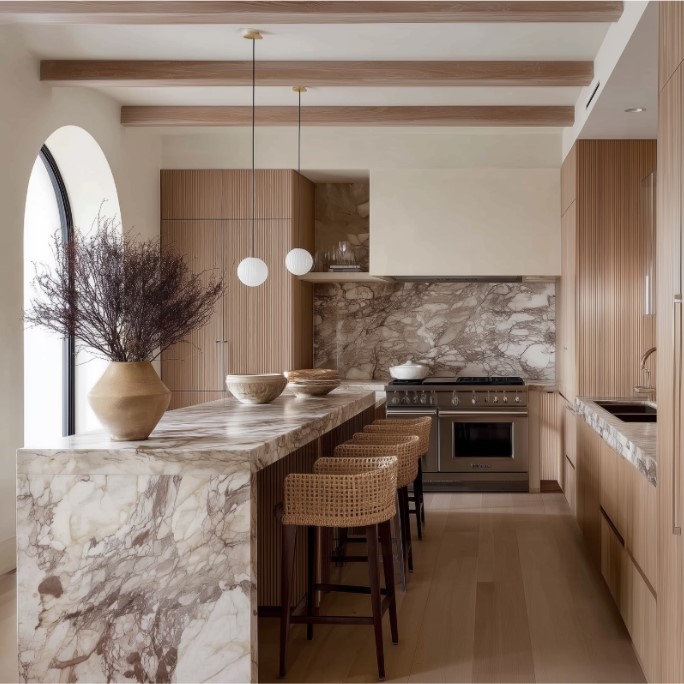

The hospitality industry thrives on creating memorable guest experiences, and interior design plays a central role in achieving that goal. From luxury hotels and boutique accommodations to restaurants, lounges, and resorts, a professional hospitality interior designer in Toronto helps create spaces that combine comfort, functionality, and strong brand identity. In a competitive market like Toronto, thoughtful design is essential to attract guests, enhance satisfaction, and build long-term success.
Hospitality interior designers specialize in creating environments that not only look beautiful but also support operational efficiency, guest comfort, and brand storytelling. Their expertise ensures that every element of a space contributes to a seamless and enjoyable experience.
What Is Hospitality Interior Design?
Hospitality interior design focuses on designing spaces used for hospitality purposes, such as hotels, restaurants, cafes, bars, and resorts. Unlike residential design, hospitality design must consider high traffic, durability, operational flow, and brand consistency.
A hospitality interior designer in Toronto works closely with business owners, architects, and contractors to create spaces that reflect the brand’s personality while meeting the functional needs of staff and guests.
Their responsibilities often include:
- Concept development and design planning
- Space planning and layout optimization
- Furniture, materials, and finish selection
- Lighting design and ambiance creation
- Brand integration and visual storytelling
- Coordination with construction and project teams
The ultimate goal is to create welcoming, functional, and memorable spaces that encourage repeat visits.
Why Hospitality Interior Design Is Important
In the hospitality industry, design directly influences guest perception, comfort, and satisfaction. A well-designed space can elevate a brand, increase customer loyalty, and improve business performance.
Creating Strong First Impressions
Guests form opinions about a hospitality space within seconds. The layout, décor, lighting, and atmosphere all contribute to their overall impression. A professionally designed environment creates a sense of quality, professionalism, and attention to detail.
Enhancing Guest Comfort and Experience
Comfortable seating, intuitive layouts, and thoughtful lighting improve the guest experience. Guests are more likely to relax, stay longer, and return when they feel comfortable and welcomed.
Supporting Brand Identity
Hospitality interior design helps communicate a brand’s story and personality. Whether the concept is modern luxury, boutique elegance, or casual comfort, design elements reinforce the brand image and create a cohesive identity.
Improving Operational Efficiency
Design impacts not only guests but also staff. Efficient layouts improve workflow, reduce congestion, and help employees perform their tasks more effectively. This leads to faster service and improved overall performance.
Key Elements of Hospitality Interior Design
A hospitality interior designer in Toronto carefully considers multiple elements to create successful spaces.
Space Planning and Layout
Effective space planning ensures smooth traffic flow for both guests and staff. Designers balance aesthetics with functionality by organizing areas such as reception desks, seating arrangements, service stations, and walkways.
Proper layout planning maximizes seating capacity while maintaining comfort and accessibility.
Lighting Design
Lighting plays a critical role in setting the mood and ambiance. Designers use a combination of natural light, ambient lighting, accent lighting, and task lighting to create visually appealing and functional spaces.
Warm lighting may create a cozy atmosphere, while bright lighting supports energetic environments.
Material and Finish Selection
Hospitality spaces experience heavy use, so materials must be durable and easy to maintain. Designers select finishes that are both attractive and long-lasting, such as high-quality fabrics, durable flooring, and resilient surfaces.
Material selection also contributes to the overall aesthetic and brand identity.
Furniture and Fixtures
Furniture must balance comfort, style, and durability. Designers select seating, tables, and fixtures that align with the brand while ensuring they can withstand frequent use.
Comfortable and attractive furniture enhances the guest experience.
Color Palette and Décor
Color schemes influence mood and perception. Neutral tones may create elegance, while bold colors add energy and personality.
Décor elements such as artwork, textures, and decorative features add depth and visual interest.
Types of Hospitality Projects
Hospitality interior designers in Toronto work on a wide range of projects across the industry.
Hotel Interior Design
Hotel design includes guest rooms, lobbies, lounges, and common areas. Designers focus on creating comfortable, relaxing environments that reflect the hotel’s brand and appeal to target guests.
Restaurant and Café Design
Restaurant design combines aesthetics with operational efficiency. Designers ensure that kitchen flow, seating layout, and ambiance work together to create a successful dining experience.
Bar and Lounge Design
Bars and lounges require unique atmospheres that encourage social interaction. Designers use lighting, seating arrangements, and visual features to create inviting and engaging environments.
Resort and Spa Design
Resorts and spas focus on relaxation and luxury. Designers create tranquil environments that promote comfort and well-being.
Latest Trends in Hospitality Interior Design
Hospitality design continues to evolve to meet changing guest expectations and industry trends.
Sustainable and Eco-Friendly Design
Many hospitality businesses are adopting environmentally responsible practices. Designers use sustainable materials, energy-efficient lighting, and eco-friendly finishes to reduce environmental impact.
Biophilic Design
Biophilic design incorporates natural elements such as plants, natural light, and organic materials. This approach creates calming environments and improves guest well-being.
Multi-Functional Spaces
Modern hospitality spaces are designed for flexibility. Hotels and restaurants often include areas that can serve multiple purposes, such as workspaces, event areas, and social zones.
Technology Integration
Technology plays a growing role in hospitality design. Smart lighting, automated systems, and digital displays improve efficiency and enhance guest convenience.
Unique and Instagram-Worthy Features
Visually striking design elements encourage guests to share their experiences on social media, increasing brand exposure and marketing reach.
The Hospitality Interior Design Process
Working with a hospitality interior designer in Toronto typically involves several stages.
Initial Consultation
The designer meets with the client to understand their goals, brand, target audience, and project requirements.
Concept Development
Designers create mood boards, sketches, and design concepts to visualize the space.
Detailed Planning
Technical drawings, material selections, and layout plans are developed to guide construction.
Project Coordination
Designers work with contractors, architects, and suppliers to ensure proper implementation.
Final Installation and Styling
Furniture, décor, and finishing touches are installed to complete the project.
This structured approach ensures quality and consistency throughout the project.
Benefits of Hiring a Hospitality Interior Designer in Toronto
Hiring a professional designer offers several advantages.
Professional Expertise
Designers bring industry knowledge and creative vision to create successful hospitality environments.
Improved Guest Satisfaction
Thoughtful design enhances comfort and creates memorable guest experiences.
Efficient Project Management
Designers coordinate all aspects of the project, saving time and reducing stress.
Compliance with Regulations
Hospitality designers understand local building codes and accessibility requirements, ensuring compliance.
Increased Business Success
Attractive and functional spaces attract more guests, improve brand image, and increase revenue.
Choosing the Right Hospitality Interior Designer
Selecting the right designer is essential for project success.
Consider these factors:
- Experience in hospitality design
- Strong portfolio of completed projects
- Understanding of your brand and vision
- Knowledge of local regulations
- Ability to balance creativity and functionality
Clear communication and collaboration are key to achieving the desired results.
Long-Term Value of Professional Hospitality Design
Investing in professional hospitality interior design provides long-term benefits. Well-designed spaces attract guests, improve satisfaction, and strengthen brand identity.
Hospitality businesses in Toronto operate in a competitive market, where guest experience plays a major role in success. High-quality design helps businesses stand out and create lasting impressions.
Conclusion
A hospitality interior designer in Toronto plays a vital role in shaping guest experiences and business success. By combining creativity, functionality, and brand storytelling, designers create environments that attract guests and enhance comfort.
From hotels and restaurants to lounges and resorts, professional hospitality design improves operational efficiency, strengthens brand identity, and increases customer satisfaction. Investing in expert interior design is a strategic decision that contributes to long-term growth, profitability, and success in the hospitality industry.
