

You’re planning a celebration that matters. Whether it’s an anniversary dinner, a promotion toast, or a milestone birthday, the wine you choose can either elevate the moment or fade into the background. Most people default to whatever’s familiar or heavily marketed, missing the opportunity to create something memorable.
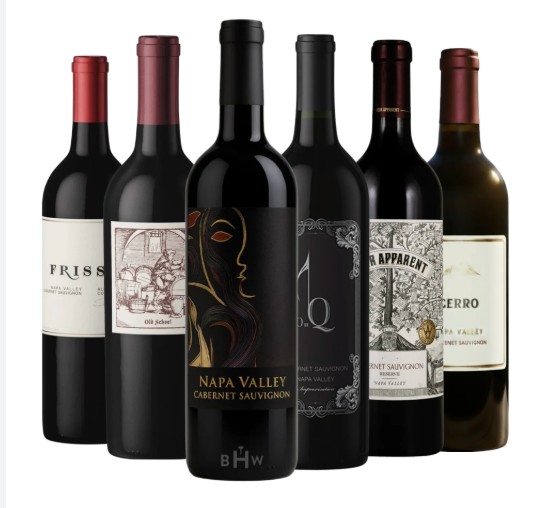
Cabernet Sauvignon stands apart as the quintessential special occasion wine for reasons that go beyond its reputation. The grape delivers consistent quality, pairs with celebratory foods, and carries enough gravitas to match important moments.
The weight of tradition and expectation
Cabernet Sauvignon commands respect in ways that lighter wines simply don’t. When you uncork a bottle at a gathering, guests understand this isn’t casual Tuesday night drinking. The wine’s bold presence announces intention. This psychological impact matters more than wine purists often acknowledge.
Special occasions require wines that feel significant, and Cabernet delivers that sense of occasion through its full body and intense flavor profile. The tannin structure alone signals seriousness. But reputation without substance is hollow.
Cabernet earns its status through performance, not just marketing.
Food pairing versatility for celebration menus
Special occasions typically involve richer foods than everyday meals. Prime rib, grilled steaks, roasted lamb, aged cheeses. These proteins and preparations demand wines with enough backbone to complement rather than compete.
Cabernet’s tannins cut through fat and protein in ways that create harmony on the palate, while its acidity cleanses between bites and its fruit concentration matches the intensity of well-seasoned dishes. This isn’t theoretical wine pairing, it’s practical chemistry that works at the table.
Even vegetarian celebration meals benefit from Cabernet’s structure, whether you’re serving mushroom-based dishes, grilled vegetables with herbs, or rich pasta preparations.
Aging potential matters for milestone moments
Quality Cabernet improves with time. This makes it ideal for occasions you want to remember years later. You can buy a bottle for a baby’s birth and open it for their 18th birthday, knowing the wine will have evolved and added layers of complexity that mirror the passage of time.
This aging capacity separates Cabernet from wines meant for immediate consumption. The tannins that might seem harsh in young bottles soften and integrate over years in the cellar, while secondary flavors develop that weren’t present at release.
Leather, tobacco, dried fruits, and earth notes emerge as the wine matures. For immediate celebration, look for Cabernets from warmer regions or those with some bottle age already. These tend to be more approachable while maintaining the varietal’s characteristic power.
Regional diversity and price flexibility
Cabernet grows successfully across multiple regions, giving you options across price ranges without sacrificing quality.
Napa Valley commands premium prices but delivers exceptional wines. Washington State offers excellent value. Australia produces bold, fruit-forward styles perfect for celebrations that call for approachable wines. This geographic diversity means you can find appropriate bottles whether you’re planning an intimate dinner or a large gathering.
The key is matching the wine’s intensity to the occasion’s formality and your guests’ preferences. When selecting celebration wines, consider purchasing Cabernet Sauvignon wines with shipping options to ensure proper handling and storage before your event. Temperature fluctuations during transport can affect wine quality, particularly for premium bottles.
Serving considerations for maximum impact
Cabernet requires attention to service details that maximize its celebration potential. Decanting young bottles allows tannins to soften and aromatics to open. This process becomes part of the ceremony, adding visual drama to the wine service.
Temperature matters significantly. Serve Cabernet at 60-65°F. Too cold and the tannins become harsh. Too warm and the alcohol dominates.
Use proper glassware with bowls large enough for swirling and concentration of aromatics. Plan your timing. Open the bottle 30-60 minutes before serving to allow initial breathing, even if you’re not decanting.
Making the selection count
Choose Cabernet based on your celebration’s specific needs rather than general recommendations. Consider your guests’ wine experience, the food being served, and the occasion’s formality level.
For milestone celebrations, invest in bottles with proven track records from established producers. For gatherings that mix wine novices with enthusiasts, focus on regional expressions that offer character without intimidation. The goal is enhancement, not showmanship.
Cabernet Sauvignon succeeds as a special occasion wine because it delivers on multiple levels. It tastes substantial, pairs reliably, ages gracefully, and signals respect for the moment being celebrated. These qualities make it the reliable choice for occasions that matter.
