

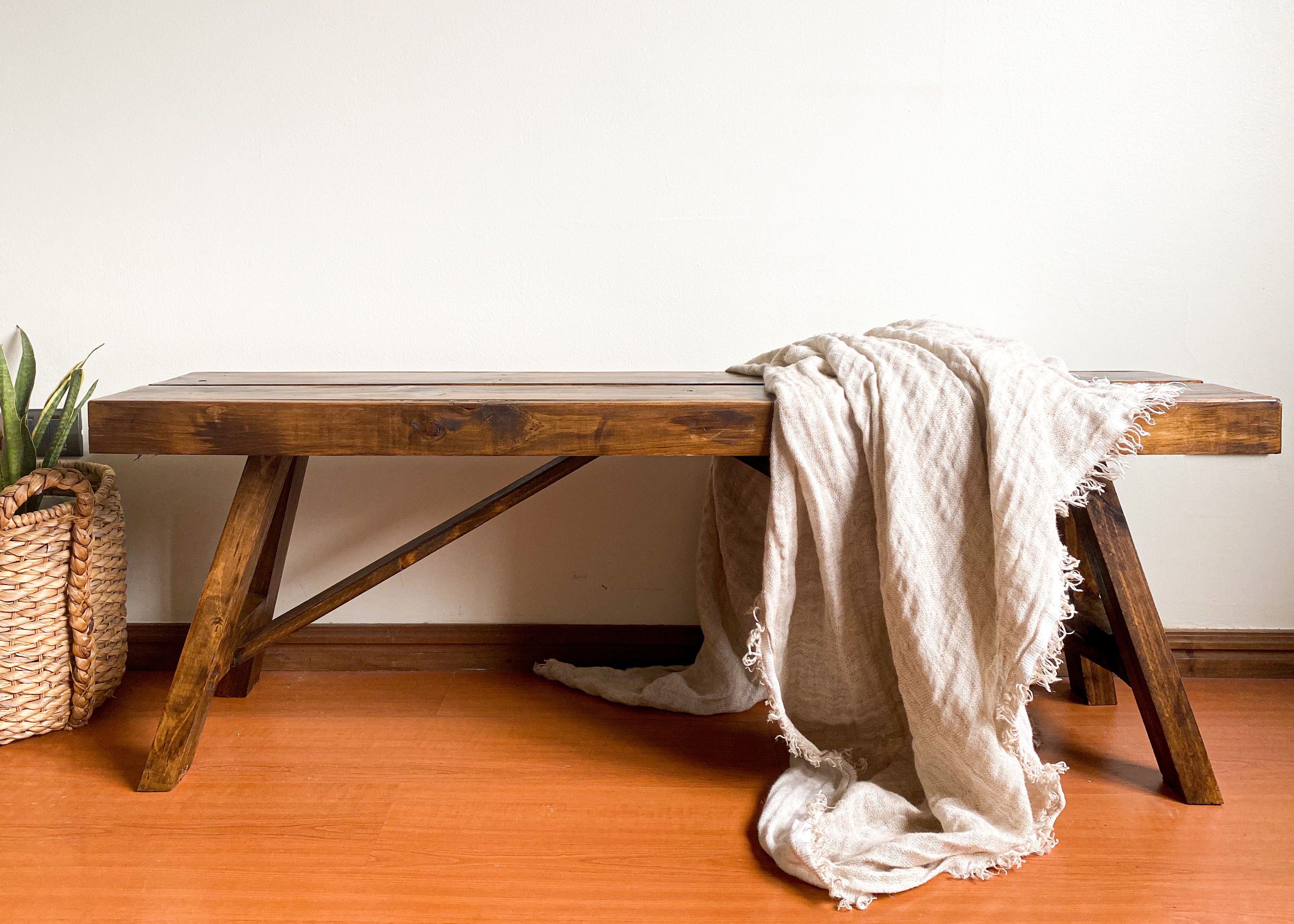
A bench seat is one of those versatile furniture pieces that can quietly solve several everyday problems. It offers extra seating when friends or family visit, makes better use of awkward spaces, and can help keep a busy home looking organised. Whether positioned in a dining area, entryway, bedroom, hallway, or entertaining space, a well-chosen bench seat can make a room feel more practical and welcoming.
Unlike many larger pieces of furniture, a bench does not have to serve only one purpose. It can provide seating at the dining table during family meals, become a convenient place to put on shoes near the front door, or sit at the end of a bed to hold cushions and folded blankets. Some designs also include storage, making them particularly useful in homes where every bit of space matters.
Bench seating can work in both spacious and compact interiors. The key is selecting a design with suitable dimensions, materials, comfort, and features for the way it will be used. With careful planning, a bench can become an adaptable part of the home that continues to be useful as household needs change.
What Is a Bench Seat?
A bench seat is a long seat designed to accommodate more than one person. Unlike individual chairs, it provides shared seating and can often fit neatly against a wall, beneath a window, beside a dining table, or in another narrow area.
Bench seats are available in a wide range of styles, sizes, and materials. Some have upholstered cushions that create a softer and more comfortable place to sit. Others are made from timber or metal and deliver a simpler, more structured appearance. Certain models combine several materials, such as a timber top with metal legs or an upholstered seat supported by a solid frame.
Backless benches are especially flexible because they can be approached from either side and may slide beneath some dining tables when not in use. Benches with backrests can provide additional support, making them better suited to areas where people are likely to sit for longer.
Storage benches usually include a lift-up seat, open shelving, drawers, or compartments. These models can be useful for storing shoes, bags, blankets, toys, or other household items that need to remain accessible without being left on display.
Benefits of Adding a Bench Seat to Your Space
A bench seat can add more than an extra place to sit. Its shape and versatility allow it to perform several useful functions around the home.
Make Better Use of Available Space
A bench can often accommodate several people within a relatively compact footprint. Instead of arranging multiple chairs around a table or along a wall, a single bench creates a shared seating area with fewer gaps between seats.
This can be particularly valuable in smaller dining spaces. Individual dining chairs generally need room around them so that each person can sit down and stand up. A dining bench may create a more streamlined arrangement, especially when positioned against a wall or paired with a rectangular table.
In an entryway or hallway, a narrow bench can turn an unused section of wall into a practical place to sit. Under a window, it can transform an overlooked area into an informal reading spot or a convenient surface for cushions and throws.
The goal is not to fill every empty area with furniture. A bench should improve how the room works without interrupting natural movement through the space.
Create a Relaxed and Inviting Look
Bench seating can make a dining area feel more casual and welcoming. It removes the rigid arrangement created by a row of individual chairs and allows people to adjust their positions more freely.
This flexible layout can be useful during family meals and social gatherings. Younger family members may find it easy to share a bench, while additional guests can sometimes be accommodated without introducing mismatched chairs from other rooms.
The relaxed character of a bench can also soften a formal dining setting. Pairing a bench on one side of the table with dining chairs on the other can create a balanced look that feels considered without being overly uniform.
In bedrooms and entryways, an upholstered bench can introduce comfort and texture. A timber bench might create a simpler and more natural appearance, while a design with metal details can suit a more modern or industrial interior.
Add Useful Storage
In a busy household, accessible storage can make everyday routines easier. A bench with built-in compartments provides a place to keep frequently used items while helping the room appear less cluttered.
An entryway storage bench may hold shoes, reusable shopping bags, umbrellas, or outdoor accessories. In a bedroom, it might store spare bedding, cushions, or seasonal items. In a family room, it could provide a home for toys, games, or blankets.
Before choosing a storage model, consider how the compartments open. A lift-up seat needs sufficient clearance above it, while drawers require room in front. Open shelving offers quick access but leaves stored items visible.
It is also worth considering how often the contents will be used. Everyday items should be easy to reach, while less frequently used belongings can be stored in deeper compartments.
Adapt to Different Rooms
One of the greatest benefits of a bench seat is its versatility. If the needs of the household change, the bench can often be moved to another part of the home.
A dining bench might later be used in an entryway. A bedroom bench could move into a guest room, dressing area, or living space. A simple backless design might function as extra seating during gatherings and then return to its usual position once guests leave.
A bench can also work as a temporary display surface when it is not being used for seating. Books, cushions, baskets, or decorative objects can help integrate it into the room, provided they can be removed easily when the seat is needed.
Where Can You Use a Bench Seat?
The intended location will influence the most suitable dimensions, construction, and style.
In the Dining Room
A dining bench can replace two or more chairs along one side of a table. This creates a more relaxed arrangement and may allow the seating to be tucked away more neatly when the table is not in use.
The seat height should work comfortably with the height of the dining table. There also needs to be enough space between the top of the seat and the underside of the table for people to sit without feeling restricted.
The bench should not be so long that it extends awkwardly beyond the table legs or prevents people from entering and leaving the seating area. If it will be placed against a wall, consider how easily the person in the centre can move away from the table.
Comfort is particularly important if the bench will be used for long meals. An upholstered seat or removable cushion can make a firmer design more enjoyable to use.
In the Entryway
An entryway bench creates a convenient place to sit while putting on or removing shoes. It can also provide a temporary spot for bags and other items when entering or leaving the home.
For a narrow hallway, look for a bench with a relatively shallow depth so that it does not obstruct the walkway. Built-in shoe storage can be helpful, but the compartments should suit the types of footwear normally worn by the household.
Because entryways receive frequent use, durable and easy-to-clean materials may be more practical than delicate fabrics.
In the Bedroom
A bench at the end of the bed can make a bedroom feel more complete while providing a functional surface. It may be used for dressing, placing clothes, or storing bedding.
The bench should be proportionate to the bed. A model that is significantly wider than the bed can appear oversized, while a very short bench may look visually disconnected. There should also be adequate space between the bench and the nearest wall or furniture so that people can move around the room comfortably.
An upholstered design can introduce softness and complement a bedhead, rug, or window furnishings. Alternatively, a timber bench can add warmth and contrast in a room with fabric-heavy furniture.
In a Living Area
A bench can provide occasional seating without the visual weight of another armchair. A backless model may sit beneath a window, behind a sofa, or along an unused wall.
It can be particularly helpful when entertaining because it is easier to reposition than some larger furniture pieces. When choosing a living-room bench, consider how its height and materials relate to the sofa, coffee table, and other nearby furniture.
In a Covered Entertaining Area
A bench can also add flexible seating to a suitable entertaining space. Any furniture used outside or in a semi-exposed location should be designed for those conditions.
Materials, finishes, upholstery, and hardware should be selected with moisture, sunlight, and changing conditions in mind. Indoor furniture should not automatically be assumed to be appropriate for outdoor use. Product care and placement instructions should be checked before putting a bench in an exposed area.
Factors to Consider When Choosing a Bench Seat
A bench may look simple, but several practical details determine whether it will work well in a particular room.
Consider How It Will Be Used
Begin by identifying the bench’s primary purpose. A dining bench has different requirements from one intended for an entryway, bedroom, or occasional seating area.
Ask a few practical questions:
-
How often will people sit on it?
-
How many people should it accommodate?
-
Will they sit for short or extended periods?
-
Does the bench need built-in storage?
-
Will children use it regularly?
-
Does it need to be moved frequently?
-
Will it be placed against a wall or used from both sides?
Prioritising the main purpose makes it easier to choose between a padded seat, hard surface, backrest, storage compartment, or lightweight frame.
Measure the Available Space
Measure the intended location before making a purchase. The bench itself must fit, but it is equally important to preserve enough clearance for walking, opening nearby doors, and using other furniture.
Take note of:
-
Overall bench length
-
Seat height
-
Seat depth
-
Total height, including any backrest
-
Clearance around adjacent furniture
-
Space needed to open drawers or a lift-up seat
-
The position of table legs, doors, windows, and power points
For dining use, measure both the table and the space beneath it. A bench may fit between the outer edges of a table but still collide with the legs or supports.
It can help to mark the proposed footprint on the floor using removable painter’s tape. This makes it easier to visualise how much space the bench will occupy and whether the room will continue to feel comfortable.
Think About Comfort
The appropriate level of comfort depends on how long the bench will be used at one time. A solid timber surface may be suitable for brief use in an entryway, but a cushioned seat could be more comfortable for dining or relaxing.
Consider the firmness of the padding, seat depth, and whether a backrest is needed. A very deep bench may be comfortable for lounging but less convenient at a dining table. A shallow bench may save space but feel less supportive during longer periods of sitting.
Removable cushions can add comfort while making the appearance easier to change. However, they should fit securely enough that they do not slide whenever someone sits down.
Choose Suitable Materials
Materials affect the bench’s appearance, durability, weight, and care requirements.
Timber can add natural warmth and work with many interior styles. The finish and construction will influence how well it handles everyday use. Metal frames can create a lighter visual profile or provide an industrial influence. Upholstery adds softness but may require more regular cleaning, particularly in homes with children or pets.
For a frequently used dining or entryway bench, consider surfaces that can be cleaned without complicated maintenance. If choosing upholstery, think about colour, texture, and how easily the fabric may show spills, dust, or wear.
The frame should feel stable, and the bench should be used in accordance with the manufacturer’s assembly and care guidance.
Evaluate Storage Requirements
If storage is the main reason for purchasing a bench, check the internal dimensions rather than relying on the overall size. Thick frames, dividers, or hardware may reduce the usable space inside.
Decide whether open or concealed storage will be more useful. Open shelves make shoes and baskets easy to access, while enclosed compartments create a cleaner appearance.
A lift-up storage bench should have a lid that is easy to operate. Consider whether it can be opened safely in the proposed location and whether items placed on top will have to be moved each time the compartment is accessed.
Match the Existing Furniture
A bench does not need to match every item in a room, but it should relate to the overall design. Look at the existing colours, materials, shapes, and finishes before selecting a new piece.
A simple timber bench can complement a wide range of settings. It may coordinate with a timber table without being an exact match. An upholstered bench can introduce colour, pattern, or texture, while a neutral fabric can help maintain a calm and cohesive appearance.
Repeating one or two details from elsewhere in the room can make the bench feel intentional. This might include a similar timber tone, fabric colour, leg shape, or metal finish.
Avoid trying to match several timber finishes that are almost, but not quite, identical. A deliberate contrast can sometimes appear more cohesive than a near match.
How to Style a Bench Seat
Styling should support the way the bench is used rather than making it less functional.
A bedroom or window bench can be softened with a small number of cushions or a folded throw. In an entryway, a wall mirror, artwork, or a row of hooks can help define the area. Baskets placed beneath an open bench can provide accessible storage while keeping smaller items contained.
For a dining bench, avoid excessive accessories that must be removed before every meal. The table setting, pendant lighting, or nearby rug can provide the decorative interest instead.
Keep the proportions of accessories in mind. Oversized cushions can reduce usable seating space, while too many small objects can make a practical bench feel cluttered.
Caring for a Bench Seat
Regular care can help a bench maintain its appearance and function.
Dust timber and metal surfaces using a suitable soft cloth. Spills should generally be addressed promptly, particularly on upholstery. Loose crumbs and dust can be removed from fabric seats according to the applicable care directions.
Avoid using harsh cleaning products without checking whether they are suitable for the material and finish. Upholstery, timber coatings, and metal surfaces may each require a different approach.
Periodically check the frame and visible fittings, especially if the bench is moved frequently or used every day. Follow the product’s assembly, cleaning, and maintenance instructions, and avoid using the bench in a location for which it was not designed.
Common Bench Seat Buying Mistakes
One of the most common mistakes is choosing a bench based entirely on appearance. A beautiful design may still be unsuitable if it is too high for the dining table, too deep for a hallway, or too large for the available floor space.
Other mistakes include:
-
Measuring the bench area but not the surrounding clearance
-
Ignoring the position of table legs
-
Choosing delicate upholstery for a high-traffic area
-
Assuming an indoor bench can be used outside
-
Selecting storage that is difficult to access
-
Overlooking the need for back support
-
Choosing a design that is difficult to move when flexibility is important
-
Adding so many cushions that the seating becomes impractical
Thinking through daily use before purchasing can help avoid these problems.
A Simple Furniture Choice With Lasting Benefits
Whether you want to maximise seating in a dining area, create a welcoming entryway, add convenience to a bedroom, or make better use of an overlooked space, the right bench seat can serve several purposes without adding unnecessary bulk.
Its value comes from flexibility. A bench can provide shared seating, introduce additional storage, support everyday routines, and move between rooms as household needs change.
The best option will suit the available space and the way people genuinely live in the home. By considering dimensions, comfort, materials, storage, placement, and maintenance, you can choose a bench seat that feels like a natural part of the room.
A thoughtfully selected bench does not need to dominate the interior. Instead, it can quietly improve how the space functions, make guests feel more welcome, and earn its place in the home for years to come.
