

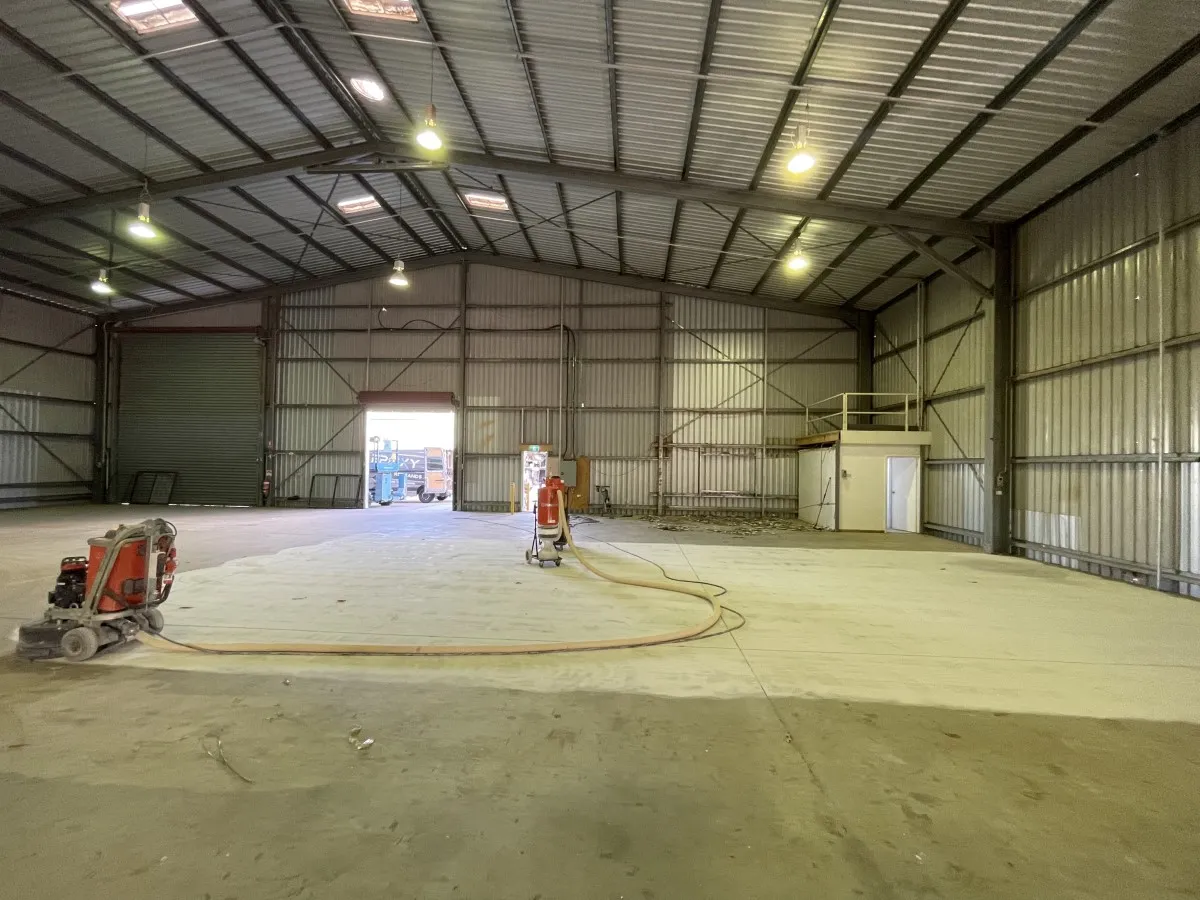
Old stone paths and garage floors collect dirt over long years. Rough surfaces trap oil from leaking cars, dark water stains, and general mess. Applying liquid resin directly over dirty slabs leads to fast failure. Surface materials peel off in big sheets when the base stone is not prepped right. Professional concrete grinding strips away top layers of grey grime to expose fresh rock underneath. Cleaning away loose debris opens up tiny stone pores so liquid grips fast. Careful planning makes new coatings stick securely for decades.
Inspecting the Raw Base Slab
Checking your slab condition comes first before starting any big job. Heavy cracks running across garage pads mean liquid floor coatings can break apart easily later. Deep oil spots stop fresh resin from gripping onto the underlying stone base. Moisture rising through foundation rock also pushes new material away from the floor. Fix every crack and seal out damp spots early to avoid costly repairs down the road. Taking extra time to inspect raw concrete stops major headaches before you open a single resin can.
Clearing Away Debris and Dirt
Dust sits deep in every crack on old concrete floors. Sweeping with a basic broom leaves behind tiny dirt particles that ruin resin bonds. Heavy vacuum machines pull out deep grit from every corner of the pad. Degreasing liquids lift stubborn oil spots off outdoor porch stones quickly. Washing away chemicals ensures nothing sits between your fresh coating and raw rock base. Skipping proper cleaning causes air bubbles to pop up across smooth surfaces within days. Clean bases allow resin to grab hold tight and stay flat forever.
Choosing Proper Abrasive Diamond Segment Tools
Selecting the right grinding metal disks depends on how hard your stone base feels. Soft concrete needs hard metal matrix pads so tools do not wear down fast. Hard concrete requires soft metal pads to expose fresh sharp diamonds continuously. Heavy machines spin coarse disk pads over uneven stone surfaces to remove old paint fast. Proper tool choices cut down work time and keep equipment running all afternoon smoothly. Smart workers check slab hardness before mounting diamond tools onto heavy walk-behind grinders. Matching disks to stone types gives great ground texture every time.
Executing Systematic Mechanical Floor Prep
Running heavy machinery across raw slabs creates tiny scratch patterns in stone. Smooth troweled floors feel too slick for thick coatings to grab on properly. Thorough floor prep roughens up smooth concrete so liquid resins sink deep into open pores. Moving grinders in overlapping patterns keeps floor levels even across wide open rooms. Vacuum attachments catch white dust clouds before dirt settles back onto fresh scraped rock. Watching your machine speed prevents low spots and deep gouges in soft ground areas. Creating uniform surface texture ensures liquid resins grip tight everywhere.
Fixing Low Spots and Cracks
Uneven areas gather extra liquid resin during final pouring steps. Deep dips make finished surfaces look wavy and uneven under bright overhead lights. Rapid set patch mortars fill deep holes before main coating work begins. Troweling repair pastes flush with surrounding stone creates a solid, flat base for new materials. Sanding down patched areas levels out rough edges so seams vanish completely. Taking care of small floor holes prevents expensive coating liquids from pooling in deep spots. Flat bases keep material costs low and make application easy.
Testing Surface Readiness Before Application
Checking your prepped slab ensures liquid coatings stick without unexpected problems. Splashing small water drops on raw concrete shows if pores sit wide open. Fast-absorbing water drops mean your floor is ready for fresh liquid resin. Beads of water sitting on top mean more grinding work is needed right away. Testing moisture levels prevents wet soil beneath house slabs from lifting new floor coatings later. Taking quick safety checks protects your material investment before applying final resin coats. Good checks give total peace of mind for every job.
Conclusion
Durable floor finishes always start with thorough base preparation and proper mechanical profiling. Ignoring slab cracks, hidden moisture, or surface grease leads to peeling, ugly bubbles, and quick coating failure. Taking time to sweep away dust, level high spots, and open stone pores guarantees your fresh surface stays smooth for years. Smart groundwork creates a tight mechanical grip so liquid coatings never peel off under heavy traffic. For top-quality prep work that keeps your investment safe, visit epoxyflooringredlands.com.au to get your project done right.
