

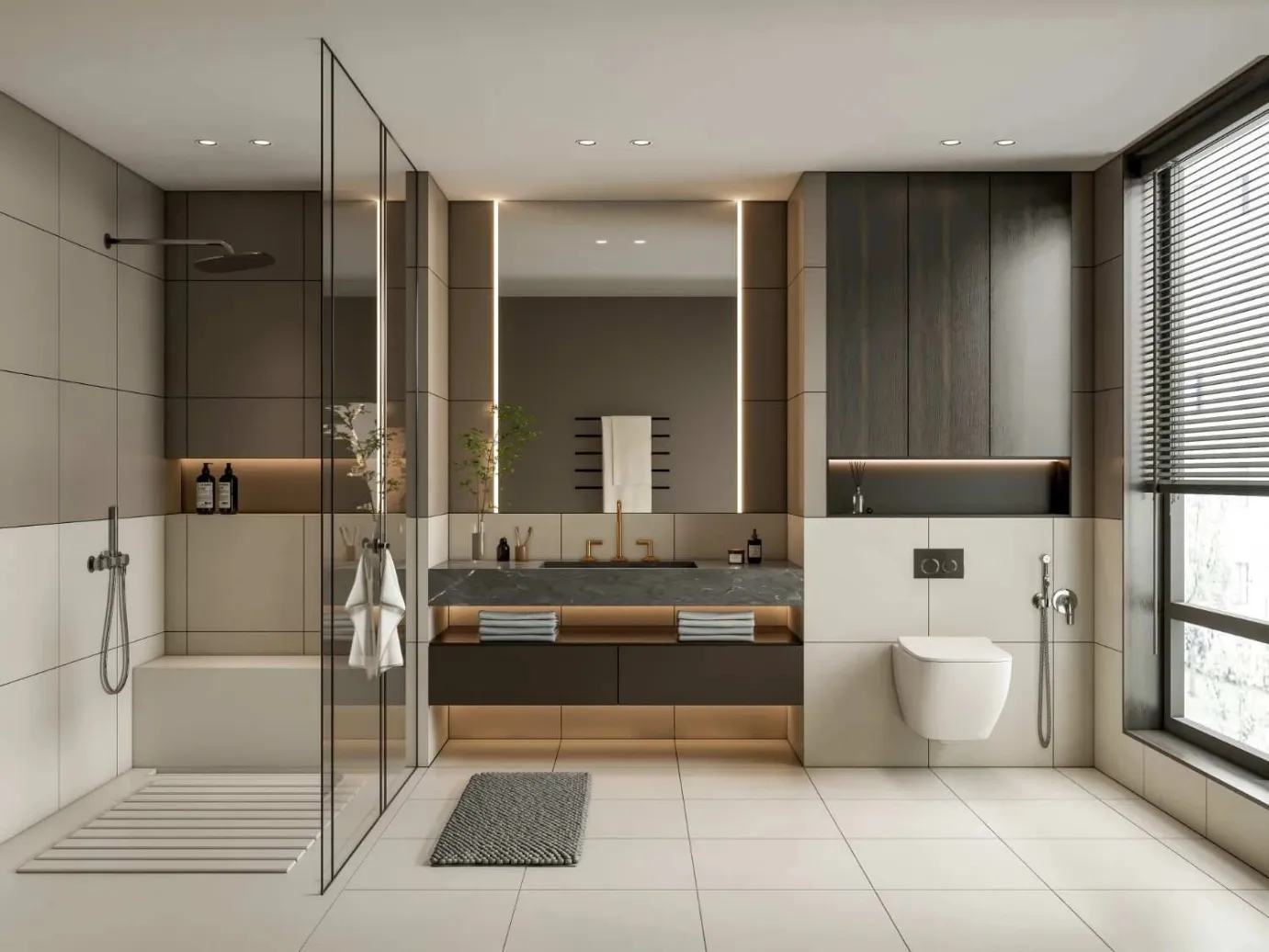
A well-designed bathroom should provide more than attractive tiles and modern fixtures. It needs to accommodate everyday routines, manage moisture effectively, and remain practical as household requirements change. Renovations offer homeowners an opportunity to improve comfort, storage, and plumbing reliability at the same time. However, design decisions made without considering installation requirements can lead to disappointing results. Understanding how layout, water supply, drainage, and material choices work together helps create a bathroom that performs well beyond its initial appearance.
Design Around the People Using the Bathroom
The most successful bathroom layouts reflect household habits. A busy family may prioritize a practical shower and durable surfaces, while another household might prefer a comfortable bathtub. Considering how many people use the room can help determine suitable fixture sizes and storage arrangements.
Available floor space should guide these decisions. Oversized furniture or poorly positioned fittings can restrict movement and make cleaning difficult. Clearances around toilets, basins, and shower entrances deserve attention before homeowners commit to a final design.
Evaluate the Existing Plumbing Infrastructure
Bathroom renovations often involve replacing fixtures while retaining much of the original pipework. Before installation, the existing water supply and drainage arrangements should be assessed for condition and suitability. Older connections may require repair or modification to accommodate the chosen fittings.
Changing the position of a toilet or shower can introduce additional complications. Waste pipe routes, floor construction, and available drainage gradients may limit where fixtures can be installed. Discussing these constraints early helps homeowners avoid expensive design changes after materials arrive.
Choose Showers That Suit the Water System
Shower performance depends partly on the property’s water supply arrangement. Some systems provide different pressure and flow characteristics from others. Selecting a shower without understanding these conditions can result in disappointing performance, even when the fixture itself is correctly installed.
Homeowners should review manufacturer specifications and discuss compatibility before purchasing. Shower controls, thermostatic protection, and suitable installation arrangements are important considerations. Appropriate choices can improve everyday comfort while reducing the likelihood of avoidable replacement work.
Prioritize Waterproofing and Moisture Management
Bathrooms experience frequent exposure to water and humidity. Proper waterproofing around showers and other wet areas protects the building materials beneath decorative finishes. Tiles and grout alone should not be assumed to provide a complete waterproof barrier.
Suitable ventilation is equally important. Extractor fans, effective airflow, and appropriate surface materials help manage condensation. Without adequate moisture control, even a newly renovated bathroom may develop mould, damaged finishes, or deterioration around vulnerable joints.
Understand Installation Quality Before Choosing Contractors
Bathroom renovations may require plumbing, tiling, electrical work, and decorative finishing. Coordinating these activities helps ensure each stage is completed in the correct order. Poor sequencing can leave important connections inaccessible or require recently installed finishes to be disturbed.
Homeowners comparing recommended plumbers in southampton should consider relevant experience, the proposed work, and the clarity of quotations. Discussing responsibilities for waterproofing, fixture installation, and finishing work can reduce misunderstandings between different trades during the project.
Make Choices That Simplify Future Maintenance
Attractive bathroom fittings should also be easy to maintain. Accessible plumbing connections, suitable replacement parts, and straightforward cleaning requirements can make a significant difference over time. Concealed installations require particular care to ensure necessary service access remains available.
Homeowners should also consider how their needs might change. Slip-resistant flooring, comfortable fixture heights, and practical shower access can improve usability without compromising appearance. Thoughtful decisions at the planning stage may reduce the need for substantial alterations later.
Consider Lighting and Practical Storage Early
Bathroom lighting and storage deserve attention before the final layout is approved. Poorly positioned mirrors, inadequate illumination, and limited storage can make an otherwise attractive bathroom inconvenient. Planning these features alongside plumbing fixtures helps ensure that cabinets, shelves, and electrical fittings do not interfere with pipework or access requirements.
Storage solutions should suit the room’s dimensions without restricting movement or ventilation. Wall-mounted cabinets and recessed shelving may provide useful space where construction permits. Electrical fittings must also be suitable for bathroom locations and installed by appropriately qualified professionals. Coordinated planning creates a more comfortable and practical room.
Conclusion
A successful bathroom renovation combines thoughtful design with dependable plumbing and appropriate moisture protection. Homeowners should evaluate existing installations, select compatible fixtures, and prioritize accessibility for future maintenance. KJP Plumbing & Heating offers bathroom installation and related plumbing services within Southampton and nearby areas. Careful planning helps property owners make informed decisions about layout, materials, and professional installation. The result should be a bathroom that not only looks appealing but also supports comfortable, reliable everyday use for years to come.
