
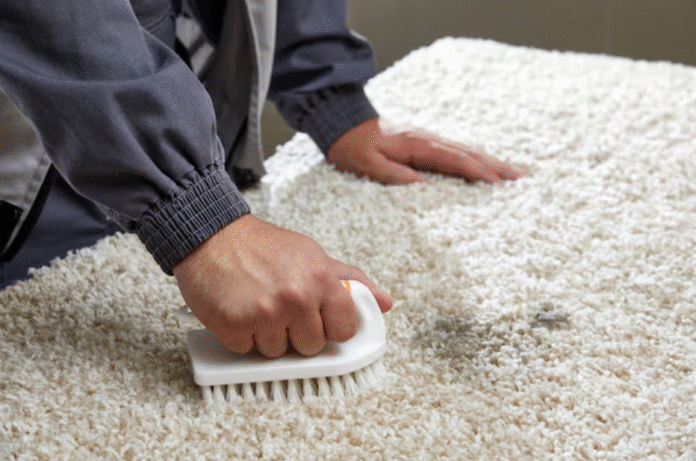

Getting better after being sick is a huge relief, but what stays behind often goes unnoticed. Germs do not leave just because symptoms disappear. They stick around in places like carpets, waiting for a chance to spread again.
Since cleaning the surface is not enough, sanitising becomes the only way to remove bacteria and viruses that could bring illness back into your home. That’s why it’s important to clean carpets the right way as soon as you recover.
Here’s everything you need to know.
Evaluating Your Carpet’s Material
Before using any cleaner, take a moment to check what kind of carpet you have, because how you clean it highly depends on the material.
Most carpets have a small tag with care instructions, and that little label can tell you how to approach the task without causing any damage.
This step helps you avoid things like shrinking, colour fading, or ruining the fibres with the wrong product. You would be fixing one issue and creating another.
However, if there’s no label in sight, feel the carpet with your hand. Synthetic types are usually smooth and even to the touch, while natural ones feel a lot softer in comparison.
Once you’re sure of the material, it’s easier from there to decide on a cleaning strategy safely.
Fibres: Synthetic vs Natural
Synthetic carpets, like those made from nylon or polyester, can handle stronger cleaners, which makes them a good fit for busy homes. They hold up well against stains and can take a bit of rougher cleaning without getting ruined.
On the other hand, natural fibre carpets, such as wool, cotton, or jute, require a softer approach. Unfortunately, they soak up liquids quickly and can get damaged if you use anything too strong.
They look stunning and feel cosy, a compliment to any room, but they’re not as tough when it comes to deep cleaning.
That’s why it’s better to stick with gentle cleaners, like diluted soap or vinegar-based options, to keep them in perfect shape without damaging the fibres.
Selecting Suitable Cleaning Agents
Not every cleaning solution is carpet-friendly, and the wrong one can do more harm than good. Some cleaners might promise a perfect disinfection, but strip away colour or weaken the fibres. It’s not exactly what you’re after.
If you’re cleaning up after an illness, you want to kill germs without ruining the look and feel of your precious floors. The trick? Choosing a product that’s tough on bacteria but gentle on fabric.
Look for ones specifically designed for carpets, and always make sure they mention both disinfection and fabric safety. If the product needs to be diluted, don’t eyeball it! Using too much can lead to stubborn stains or even cause the material to break down completely.
Before going all in, it’s recommended to test the cleaner on a small hidden corner to check for any discolouration or damage. If the colour holds and the texture remains the same, you’re good to go.
Vacuuming Thoroughly
If you’ve always thought vacuuming is only for picking up crumbs, think again. While it does take care of the dirt you can see, it also preps your carpet for a deeper clean.
A solid vacuum session helps lift dust, pet hair, and other debris from the surface of the carpet and beneath it. This gives your cleaning products a much better chance to really do their job.
For the best results, don’t rush it—take your time and move the vacuum slowly, especially over high-traffic spots like hallways and living room paths. Don’t forget the edges and corners—dirt loves to hide out there, too.
Your best bet is a vacuum with a HEPA filter. It grabs tiny bits like allergens and germs that regular filters might miss.
Applying the Sanitising Solution
Now for the good part. Once the carpet has been vacuumed, it’s ready for the sanitising solution, which needs to be applied carefully and evenly.
A spray bottle or carpet cleaner works well for this step, as both can help you cover the whole surface without missing spots.
To keep things simple, picture the carpet in smaller sections and work through each one at a time. This makes it easier to stay focused and eventually cover the entire thing.
Spray lightly and evenly, making sure not to drench the fabric. If you run into stains, press the solution into the spot with a clean white cloth instead of rubbing it, since the latter can spread the mess or push it deeper.
However, try not to use too much liquid. It’s okay for the carpet to be a little damp, but soaking it can cause mould and bad smells later on. A situation you don’t want to find yourself in.
Steam Cleaning for Deep Sanitisation
For a deeper clean that really gets into the carpet fibres, steam cleaning is the way to go. It uses hot water, not harsh chemicals, to reach below the surface, pulling out dirt and bacteria that regular cleaning might miss.
This makes it especially useful after someone’s been sick, giving you peace of mind that those lingering germs are truly done for.
Since it relies on heat and moisture instead of harsh chemicals, it’s also safer for both the carpet and everyone in your household.
What’s great is that steam cleaning is not only effective, but also gentle. The heat does the heavy lifting, so it’s safer for your carpet and for everyone in your home, including pets and the little ones.
Here’s a simple routine: lightly spray the area with a sanitising solution first and then go over it with the steam cleaner. Just make sure you’re using the right setting—go easy on delicate rugs to avoid possibly ruining them.
Steam cleaning doesn’t just tackle germs. It also helps cut down on allergens, which is a big plus for anyone with allergies. Doing this every few months keeps your carpets looking and feeling fresh while making the whole space healthier.
If you’re ever unsure about how to do it safely, contacting professional carpet cleaning specialists is a good idea. They’ve got the right tools and know-how to get the job done without risking any damage.
Tips on Proper Drying
A clean carpet that stays wet for too long can quickly cause problems. Moisture left in the fibres gives bacteria and mould a place to grow. That’s why proper drying matters just as much as the cleaning itself.
Once you’re done sanitising, give your carpet plenty of time—and fresh air—to dry completely. Try to keep everyone (and their socks!) off it while it dries out. Even the cleanest feet can drag in dirt or germs, undoing all your hard work.
To help things along, crack open some windows or switch on a fan or air conditioner to keep the air moving, pushing out the dampness. Good airflow cuts down drying time and prevents that musty, “uh-oh” smell from creeping in.
Also, hold off on putting your furniture back until the carpet is completely dry because the weight can trap moisture underneath and leave marks or create mould.
Regular Maintenance
Keeping carpets sanitised after an illness is a great first step, but what really keeps your home safe is regular care.
Try to vacuum 2 or 3 times a week, depending on how busy the area is. Spots like entryways, hallways, and living rooms usually need more attention since they get the most traffic. This clears away surface mess before it turns into a harder issue to tackle.
Plan to give your carpets a deep clean every 6 months. Whether you use your own machine, rent one, or bring in cleaning services, that extra step helps remove grime that vacuuming can’t reach.
You can also add carpet pads under heavy furniture to protect the fibres and make cleaning up spills a bit easier. And when something spills, grab a cloth and take care of it right away so it doesn’t soak in and spread.
Sticking to these simple habits helps your carpets last longer and keeps your home feeling clean and healthy.
Conclusion
After illness, taking some extra care to santise your floor coverings brings comfort back to the space and gives everyone peace of mind. Small steps, done right, can make a big difference.
In the end, a clean carpet is more than just tidying up—it’s part of feeling well again.
