

A residential solar system is a valuable household asset, but its long-term value depends on more than the quality of the original installation. Panels, inverters, wiring, isolators and mounting hardware all need to remain safe, secure and fully functional throughout the life of the system. Regular maintenance helps identify developing issues early while creating a clear record of how the installation has been cared for over time.
While scheduled maintenance does not automatically guarantee that every warranty claim will be accepted, it can help homeowners meet ongoing care requirements, document the system’s condition and address faults before they lead to more significant damage. Warranty conditions vary between manufacturers, installers and individual products, making regular servicing a sensible long-term investment.
Maintenance Records Provide Valuable Evidence
When a component fails, service records can help demonstrate when the system was inspected, what issues were identified and what repairs were carried out. This information can assist manufacturers, installers or service providers in understanding the history of the fault.
Maintenance records should include inspection dates, technician reports, photographs, inverter error codes, cleaning records and repair invoices. Homeowners should also keep original purchase documents, product warranties and equipment serial numbers together so they are easily accessible if required.
Small Faults Can Affect Other Components
A loose electrical connection, damaged cable or deteriorating isolator may begin as a relatively minor issue. Left unresolved, however, it can contribute to recurring shutdowns, reduced energy generation or damage to other system components.
Scheduled Solar Panel Maintenance in Adelaide allows a qualified technician to inspect the entire installation rather than waiting for a major failure to occur. Adelaide’s heat, dust, wind and seasonal rainfall can all affect rooftop and electrical components differently, so maintenance schedules should reflect the property’s local conditions.
Identifying small problems early helps reduce the risk of one neglected issue affecting equipment that was previously operating normally.
Maintenance Supports Safer Operation
Solar systems remain electrically active during daylight hours, even when the household is not using the electricity they produce. Damage involving wiring, isolators, switches or electrical enclosures should always be assessed by qualified professionals rather than treated as a DIY repair.
A maintenance inspection allows technicians to check for visible deterioration, corrosion, water ingress, overheating, loose connections and movement within the mounting system.
This proactive approach gives homeowners a better understanding of their system’s condition while allowing potential issues to be addressed before they become disruptive or create safety concerns
Performance History Helps Protect System Value
A solar system with a documented maintenance history is generally easier to assess than one with little or no service documentation. If the property is sold, maintenance records can provide prospective buyers with useful information about the condition, age and recent performance of the system.
While buyers may still choose to arrange an independent inspection, detailed service records demonstrate that the system has been properly maintained rather than simply left unattended. They can also show which components have been repaired or replaced and whether any previous recommendations remain outstanding.
Professional Residential Solar Maintenance in Brisbane can therefore help preserve the practical value of an existing solar installation. It does not increase the value of the system on its own, but it helps maintain performance, reliability and transparency throughout its lifespan.
Cleaning Should Be Based on Actual Need
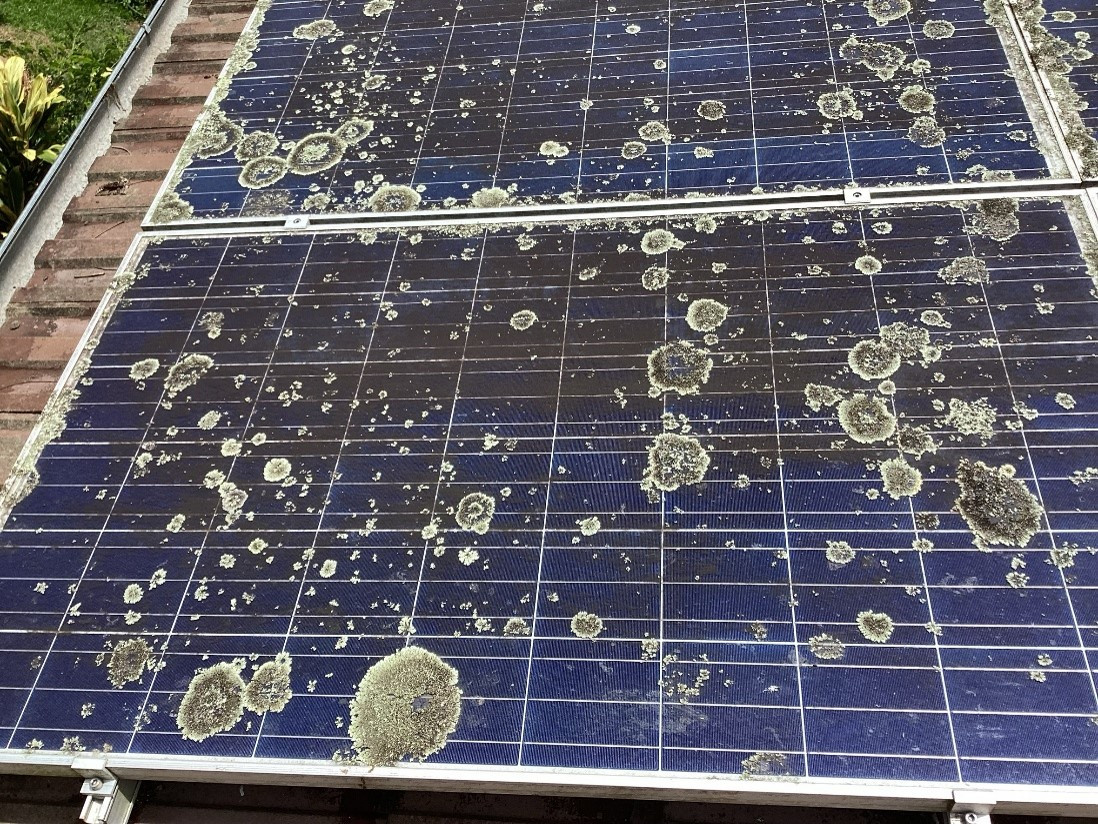
Surface contamination from dust, leaves, bird droppings and other debris can reduce solar panel performance, but not every property requires cleaning at the same frequency.
Factors such as roof pitch, nearby vegetation, local dust levels and rainfall patterns all influence how quickly contamination builds up. A qualified technician can recommend cleaning when it is genuinely needed rather than treating it as a substitute for comprehensive system maintenance.
Cleaning records are useful, but they should form part of a broader maintenance history. Clean panels do not necessarily indicate that the inverter, wiring, isolators or mounting hardware are also in good condition.
Review Warranty Conditions Carefully
Homeowners should familiarise themselves with the warranty conditions provided by the panel manufacturer, inverter manufacturer and original installer. Some warranties include maintenance, notification or authorised repair requirements, while others focus primarily on manufacturing defects and product performance.
A service provider should never suggest that regular maintenance guarantees warranty coverage. Instead, the objective is to maintain accurate service records, minimise preventable deterioration and identify faults while warranty support is still available.
If a potential warranty issue is identified, homeowners should confirm who is responsible for inspection, approval and repairs before authorising any wor
A Repair-First Approach Protects Existing Equipment
Scheduled maintenance often reveals that only a single component requires attention. Replacing a faulty inverter, damaged cable or deteriorated isolator may restore the system without replacing panels or mounting hardware that remain in good working condition.
A repair-first recommendation should clearly explain the condition of the wider system, the expected outcome of the repair and any potential risks that may arise in the future. Full replacement may be appropriate where damage is extensive or compatible replacement parts are no longer available, but it should never be the automatic recommendation.
Conclusion
Scheduled solar maintenance helps protect warranties and preserve system value by creating reliable service records, identifying faults early and maintaining equipment that remains in good working condition. It also gives homeowners a clearer understanding of their responsibilities under product warranties and installation agreements.
While regular maintenance cannot guarantee a successful warranty claim or prevent every equipment failure, professional inspections, accurate documentation and timely repairs provide a stronger foundation for protecting the safety, performance and long-term value of a residential solar system.
