

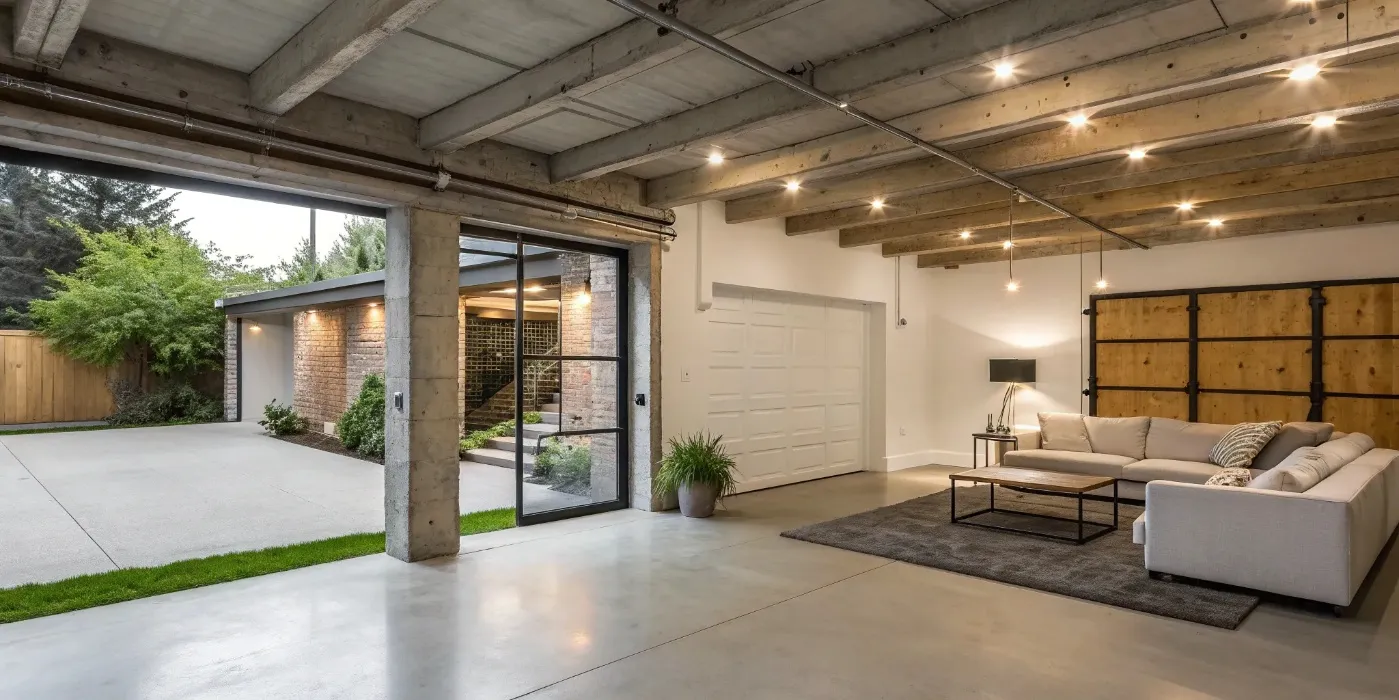
Residential garages increasingly serve purposes beyond vehicle storage. Homeowners use these spaces for exercise equipment, organized storage, home maintenance, and occasional workshop activities. Unfortunately, untreated concrete can produce dust, absorb stains, and develop an uneven appearance over time. Upgrading garage floor epoxy near me offers an opportunity to improve the practicality and visual appeal of these frequently overlooked areas. A successful renovation should consider how the garage is used, the condition of the existing slab, and the type of protective finish best suited to household needs.
Rethinking the Role of Residential Garages
A garage often accommodates several activities within the same limited area. Vehicles may share space with bicycles, gardening equipment, tools, and seasonal belongings. This combination creates flooring demands that differ from those of ordinary interior rooms. Concrete surfaces must tolerate tire movement, occasional impacts, and exposure to outdoor moisture or debris. A suitable coating can make the space easier to clean while giving it a more finished appearance. Planning around actual household routines helps homeowners prioritize durability, traction, and practical maintenance over purely decorative considerations.
Recognizing Problems With Unprotected Concrete
Bare concrete may appear durable, but its porous surface can absorb oils and other liquids when left untreated. Repeated traffic also contributes to surface wear, while accumulated dust can spread onto stored belongings. Existing cracks or damaged areas may become more noticeable as the garage ages. Coatings can improve surface protection, but they cannot correct every underlying problem. Moisture intrusion, structural movement, and extensive deterioration require appropriate assessment. Identifying these conditions before renovation helps homeowners avoid applying decorative finishes over concrete that needs more substantial repairs.
Understanding Modern Garage Coating Systems
Garage coatings differ in chemical composition, application procedures, and performance characteristics. Epoxy systems provide adhesion and protective properties when installed over properly prepared concrete. Polyaspartic materials are frequently used as topcoats because suitable formulations offer abrasion resistance and improved color stability under ultraviolet exposure. A polyaspartic floor coating near me can form part of a multilayer system that includes an epoxy base and decorative flakes. Understanding these components helps homeowners compare complete installations rather than treating every coating product as interchangeable.
Selecting Colors That Suit the Space
Decorative finishes allow garages to complement the overall appearance of a home without compromising their practical purpose. Neutral gray blends, darker combinations, and natural stone-inspired flake patterns can coordinate with cabinetry, storage systems, and surrounding finishes. Multicolored flakes may also make ordinary dust and small marks less noticeable between cleaning sessions. However, visual preferences should be considered alongside lighting and maintenance requirements. Examining physical samples in the intended environment helps homeowners evaluate color differences more accurately than relying solely on online photographs or promotional images.
Improving Traction Without Compromising Practicality
Garage floors encounter changing conditions as vehicles bring rainwater, dirt, and other contaminants indoors. Smooth finishes may become slippery when wet, making traction an important consideration during renovation planning. Decorative flakes and compatible slip-resistant additives can provide additional surface texture. However, excessive roughness may make sweeping and mopping more difficult. The appropriate finish depends on garage activities, expected moisture exposure, and footwear conditions. Homeowners should discuss these factors with installers to select a surface that balances safety, comfortable movement, and reasonable cleaning requirements.
Planning Installation Around Household Schedules
Garage coating projects require temporary access restrictions while the concrete is prepared, repaired, coated, and allowed to cure. Homeowners should arrange alternative parking and remove stored belongings before installation begins. Certain professionally installed systems may be completed in a single day under suitable conditions, although vehicle return times depend on the specific materials and curing requirements. Weather, substrate moisture, and existing damage can also affect scheduling. Confirming these details beforehand helps households avoid unexpected inconvenience and prevents freshly installed coatings from being exposed to traffic prematurely.
Maintaining the New Surface Throughout the Year
A coated garage floor generally requires less intensive cleaning than untreated concrete, but routine care remains necessary. Sweeping away abrasive dirt reduces unnecessary wear, while prompt removal of automotive fluids helps maintain appearance and traction. Mild, coating-compatible cleaners are usually preferable to aggressive chemicals that could affect the finish. Homeowners should inspect areas beneath parked vehicles and around frequently used equipment for signs of damage. Seasonal maintenance also matters because rain, mud, and tracked-in debris can accumulate rapidly during periods of frequent garage use.
Conclusion
An effective garage renovation should improve the space’s usefulness while protecting the existing concrete from ordinary household wear. Suitable materials, thoughtful color selection, and professional preparation contribute to a result that accommodates vehicles, equipment, and storage needs. Atlanta homeowners considering a garage upgrade can explore available coating options through khaysservices.com, including decorative epoxy and polyaspartic systems. Requesting a property-specific assessment allows homeowners to discuss slab conditions, preferred finishes, and installation scheduling before committing to the project. The result can be a cleaner, more organized, and practical extension of the home.
