
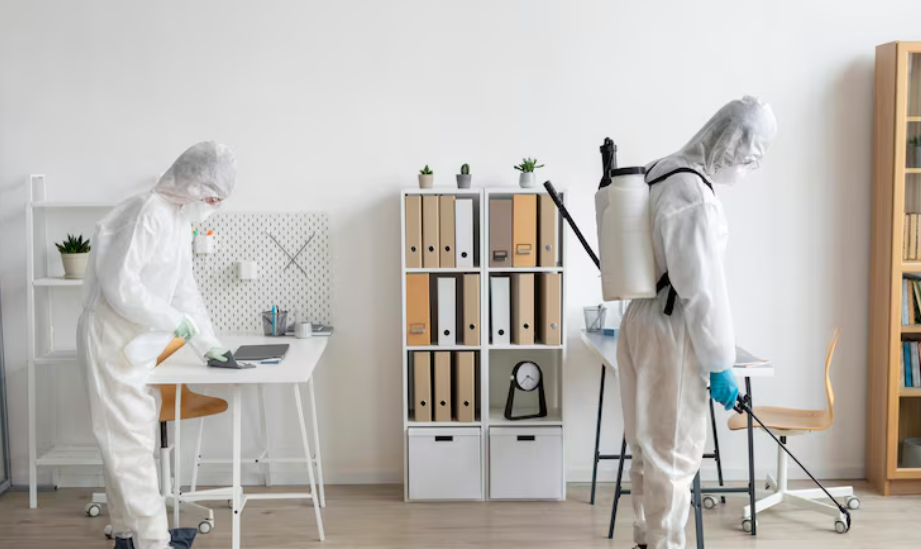

Few things disturb the peace of a home like discovering unwanted visitors. A line of ants across the kitchen counter, droppings in a cupboard, or a faint scratching sound inside the wall can turn a comfortable space into a source of worry. Pests do more than annoy. They contaminate food, damage property, and in some cases spread disease. Choosing professional pest control services is often the fastest and safest way to deal with the problem properly. This guide explains how pest problems develop, what good providers do, and how to pick the right one for your household.
Why Pest Problems Start in the First Place
Pests enter homes for the same reasons people live in them: food, water, and shelter. A small crumb under the toaster, a leaking pipe, a pile of cardboard in the storeroom, or a tiny gap around a window frame can be enough to attract insects and rodents. Seasonal changes also push pests indoors, particularly during heavy rain or extreme heat. Many infestations begin quietly, and by the time you notice them the population may already be well established. Understanding what draws pests to your property is the first step toward preventing a return, and a good technician will explain these causes rather than simply treating the symptoms.
Common Household Pests and the Damage They Cause
Different pests create different problems. Cockroaches contaminate surfaces and can trigger allergies. Ants invade kitchens in search of sugary or greasy food. Termites quietly eat through wooden structures, furniture, and flooring, often causing serious damage before they are seen. Rodents gnaw on wiring, insulation, and packaging, creating both a fire risk and a health risk. Mosquitoes breed in standing water and can spread illness, while bed bugs move through luggage and furniture and disrupt sleep. Knowing which pest you are dealing with matters because each species requires a different method of control. Misidentifying the problem can waste money and allow the infestation to grow.
Why DIY Treatments Often Fall Short
Store-bought sprays and traps are tempting because they are cheap and quick. They can help with a very small, isolated issue, but they rarely solve a real infestation. Many products kill only the pests that are visible, leaving the nest, eggs, or hidden colonies untouched. Some sprays scatter insects into other parts of the house, making the problem larger. Using chemicals incorrectly can also create risks for children, pets, and anyone with breathing sensitivities. Professional technicians have access to targeted treatments, proper equipment, and training that allow them to find the source and apply the right solution in the safest possible way.
What Good Pest Control Services Actually Include
A reliable provider begins with a thorough inspection rather than an immediate spray. The technician should examine entry points, moisture problems, and signs of activity, then explain what they have found. A clear treatment plan follows, describing the methods, products, and timeline involved. Good companies also offer follow-up visits to confirm that the problem has been resolved. Beyond treatment, they should give practical advice about sealing gaps, storing food, managing waste, and reducing humidity. Some offer ongoing programs that include regular inspections, which can help prevent future infestations. The goal is not only to remove pests today but to protect your home in the long term.
Safety for Children, Pets, and Food Areas
Safety should always be part of the conversation. Ask which products will be used and whether they are approved for residential settings. A responsible technician will explain where treatment will be applied, how long you should stay away from treated areas, and what precautions to take with food, utensils, and pet bowls. Many modern methods focus on targeted baits, gels, and barriers rather than broad spraying, which reduces exposure. If someone in your household has asthma, allergies, or other health concerns, mention this beforehand so the treatment can be adjusted. Professionals who care about safety will welcome these questions and answer them clearly.
How to Compare Providers
Start by checking that the company is properly licensed and that its technicians are trained. Read recent customer reviews and look for comments about punctuality, communication, and whether the problem stayed solved. Request a written quotation that lists the treatment method, the number of visits, and any warranty on the work. Be careful with offers that seem unusually cheap or that promise immediate and permanent results without an inspection. Ask whether the price includes follow-up visits and what happens if the pests return. A transparent company will answer these questions comfortably and put the details in writing.
Preparing Your Home Before the Visit
A little preparation helps the treatment work better. Clear the areas that need attention, such as under sinks, behind appliances, and around skirting boards. Store food in sealed containers and put away dishes. Cover or move fish tanks and keep pets and children out of the way. Make a note of where you have seen pests, when you noticed them, and anything you have already tried. This information helps the technician locate the source more quickly and choose a suitable plan. After the treatment, follow the instructions given about cleaning, ventilation, and re-entering treated rooms.
Preventing Future Infestations
Long-term protection depends on daily habits. Wipe surfaces and sweep floors regularly, take out rubbish frequently, and avoid leaving pet food out overnight. Fix leaking taps and pipes, and keep drains clean. Seal cracks, gaps around pipes, and loose door seals so pests cannot enter easily. Reduce clutter in storerooms, balconies, and garages, since piles of paper or boxes give pests places to hide. Inspect second-hand furniture and luggage before bringing them inside. These small habits make your home far less attractive to pests and reduce how often you need professional help.
Understanding Treatment Methods
Modern pest management uses a mix of techniques rather than a single approach. Baiting lures pests to a treatment that they carry back to the nest, which can eliminate entire colonies. Residual barriers protect entry points such as doorways and windows for a period of time. Traps and exclusion methods, including sealing gaps, work well for rodents. For termites, some providers use monitoring stations or soil treatments that protect the structure of the building. Heat and steam are sometimes used against bed bugs. A good technician will explain why a specific method has been chosen, how long it takes to work, and what you should expect to see afterward, so you are never left guessing about the process.
Residential and Commercial Differences
Homes and businesses face different challenges. A household usually focuses on safety for family members and pets, while a restaurant, shop, or office must also meet hygiene and inspection standards. Commercial properties often need regular monitoring, documentation, and tailored programs, whereas homeowners may need one-time treatments or seasonal visits. Whichever applies to you, make sure the provider understands the unique demands of your setting and offers a plan that matches them.
Final Thoughts
Pests are a common problem, but they do not have to be a lasting one. With the right information and a dependable provider, you can deal with infestations quickly and prevent them from returning. Take the time to understand your problem, ask the right questions, and choose a company that values safety and transparency. Investing in quality pest control services protects your health, your belongings, and your peace of mind for years to come.
