

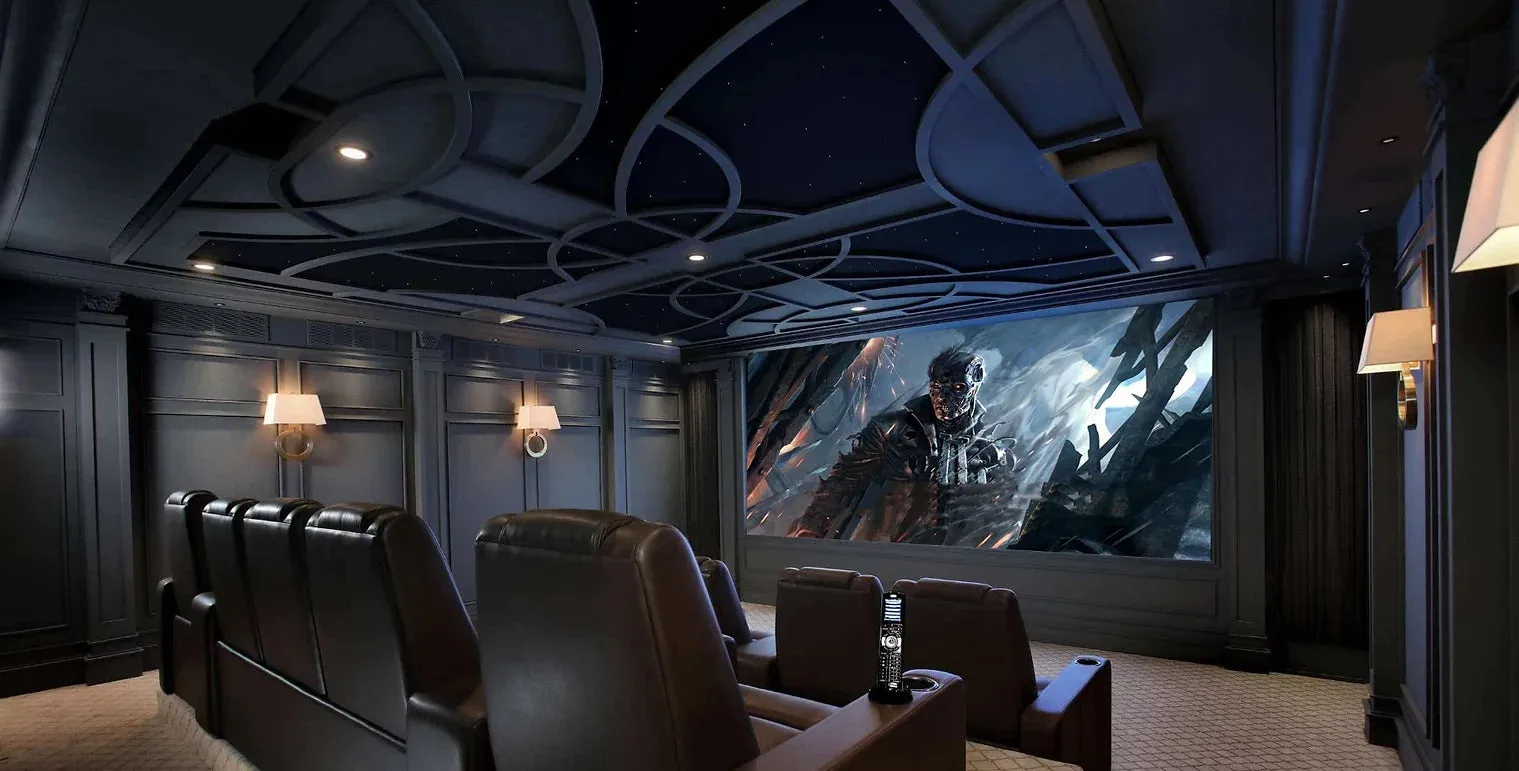
A home theater installation can transform an unused room into a comfortable entertainment space, but the outcome depends heavily on the professionals managing the project. Equipment selection is only one part of the process. Speaker placement, electrical planning, room acoustics, and system configuration all influence performance. Before hiring an installer, homeowners should evaluate technical experience, communication practices, and project expectations. Asking specific questions helps identify qualified professionals and reduces the risk of expensive modifications after the installation is completed.
What Experience Do You Have With Similar Projects?
Not every audio-visual contractor specializes in the same type of installation. Some focus on television mounting, while others design dedicated theaters with surround sound, projection equipment, and integrated controls.
Ask potential installers about completed projects involving rooms similar to yours. A professional experienced with large dedicated theaters may approach a smaller living room differently. Request examples that demonstrate equipment placement, cable management, and interior integration. Relevant experience provides a better indication of suitability than impressive product lists alone.
How Will You Evaluate My Room?
A reliable installer should examine the actual environment before recommending major equipment purchases. Room dimensions, seating positions, window locations, and construction materials influence how a home theater performs. Hard surfaces may increase sound reflections, while poorly positioned windows can create distracting screen glare.
Professionals offering home theater installation NJ services should discuss these conditions during the initial consultation. Ask whether the design includes speaker positioning, ventilation, network requirements, and suitable display placement. These considerations should be addressed before equipment specifications and installation costs are finalized.
What Does the Written Proposal Include?
An installation proposal should describe the work clearly enough that homeowners understand what they are purchasing. Equipment models, mounting hardware, wiring, labor, programming, and testing should be identified wherever applicable. Vague descriptions can make competing quotations difficult to compare.
Before accepting a proposal, clarify whether it includes:
-
Equipment delivery and installation labor.
-
Electrical work or coordination with licensed electricians.
-
Cable routing and necessary wall modifications.
-
Audio calibration and display configuration.
-
Control system programming and user training.
-
Warranty coverage and post-installation support.
A detailed scope reduces misunderstandings and helps homeowners distinguish essential services from optional additions.
How Will You Handle Wiring and Equipment Placement?
Cable management affects both appearance and long-term maintenance. Concealed wiring can create a cleaner environment, but inaccessible connections may complicate future troubleshooting. Ask where equipment racks, power outlets, network connections, and ventilation openings will be located. Contractors should explain how components can be accessed for servicing without unnecessary damage to finished surfaces.
Safety is equally important. Wall-mounted displays require appropriate supports, while electrical modifications must comply with applicable requirements. A properly planned layout supports reliable performance and makes future equipment changes easier.
Can the System Accommodate Future Upgrades?
Technology changes, but a well-designed theater should not require extensive reconstruction whenever a component is replaced. During the home theater systems setup, ask whether the proposed wiring, equipment space, and control arrangements can accommodate foreseeable changes.
Additional cable pathways, accessible connections, and suitable ventilation may improve flexibility. However, avoid paying for speculative features with no practical purpose. The installer should distinguish worthwhile preparation from unnecessary expenses. A sensible upgrade strategy supports existing requirements while making reasonable improvements easier to implement.
How Will You Test and Calibrate the Equipment?
Professional installation should involve more than connecting devices and confirming that they turn on. Audio calibration can help balance speaker levels, distances, and other supported settings for the seating environment. Display configuration should consider room lighting and the capabilities of the selected screen.
Ask installers which testing procedures they perform and whether they demonstrate the results. The final evaluation should also include everyday functions such as switching sources, adjusting volume, and operating compatible automation controls.
A technically impressive system offers limited value if household members find it confusing to use.
What Support Is Available After Installation?
Even carefully installed entertainment systems occasionally require adjustments, software updates, or troubleshooting. Before signing a contract, ask what happens when a component stops responding or a control setting needs modification. Clarify whether support is provided remotely, through scheduled visits, or under a separate service agreement.
Understand which responsibilities belong to the installer and which are covered by individual manufacturers. Request basic operating instructions and documentation for installed equipment. Clear support arrangements help homeowners maintain their systems without unnecessary uncertainty.
Conclusion
The most useful question homeowners can ask an installer is not which equipment costs the most, but how the proposed system will meet their actual needs. Clear documentation, realistic recommendations, careful installation, and dependable support reveal far more about professional competence than an impressive demonstration alone. New Jersey homeowners evaluating companies such as Epic Systems should compare complete project proposals and ask how performance will be verified. Establishing these expectations before work begins creates a stronger foundation for a successful installation and a better long-term relationship with the provider.
