

Introduction
Choosing the best convector heater for your home can make cold winter days more comfortable. A good heater provides warmth, is easy to operate, and offers useful safety features. However, with so many models available, finding the right option can be challenging. Before purchasing a heater, you should consider its heating capacity, energy consumption, design, safety features, and price.
Modern home appliances are designed to make everyday life easier. When researching products and brands such as Ciarra One, it is important to compare specifications and choose appliances that meet your needs. In this article, we will discuss the most important features to consider before buying a convector heater.
1. Understand How a Convector Heater Works
A convector heater is an electrical appliance that warms a room by heating the air. Cool air enters the heater, passes over a heating element, and becomes warm. The warm air rises and circulates around the room, while cooler air moves toward the heater.
This process helps distribute warmth throughout an indoor space. Many convector heaters operate quietly because they do not require a fan. However, some models include fans to help circulate warm air more quickly.
These heaters are available in different sizes and designs, making them suitable for bedrooms, living rooms, offices, and other indoor areas.
2. Check the Heating Capacity
Heating capacity is one of the most important features to consider when buying a convector heater. The correct capacity depends on the size of your room, insulation quality, ceiling height, and outdoor temperature.
A small heater may work well in a compact bedroom but may struggle to warm a large living room. Similarly, a powerful heater may use more electricity than necessary if it is used in a small, well-insulated space.
Before purchasing a model, check the manufacturer’s recommended room size and power rating. Choosing the right capacity can help you maintain a comfortable temperature throughout the winter.
3. Consider Energy Consumption
Electricity consumption can affect the overall cost of using a convector heater. Most electric resistance heaters convert electricity into heat, so their running costs depend largely on their power rating, operating time, and local electricity prices.
For example, a 2,000-watt heater running continuously for one hour uses approximately 2 kilowatt-hours of electricity.
Look for models with adjustable heat settings and thermostats. These features allow you to control the temperature and avoid heating a room more than necessary.
You can also reduce energy waste by closing windows, sealing gaps around doors, and switching off the heater when the room does not need additional warmth.
4. Look for Safety Features
Safety should always be a priority when choosing a heating appliance. A reliable convector heater should have appropriate safety features for its intended use.
Here are some useful features to consider:
-
Overheat protection: Helps switch off the heater if it becomes excessively hot.
-
Tip-over protection: Available on some portable models to switch off the appliance if it falls over.
-
Thermostat control: Helps maintain the selected temperature.
-
Stable feet or mounting system: Helps keep the heater securely positioned.
Always follow the manufacturer’s safety instructions. Keep the heater away from curtains, bedding, furniture, and other flammable materials. Never cover the appliance or place objects over its air openings.
5. Choose a Suitable Design
Convector heaters come in several designs to suit different homes. Portable models are useful when you need warmth in different rooms. Many have lightweight bodies and handles that make moving them easier.
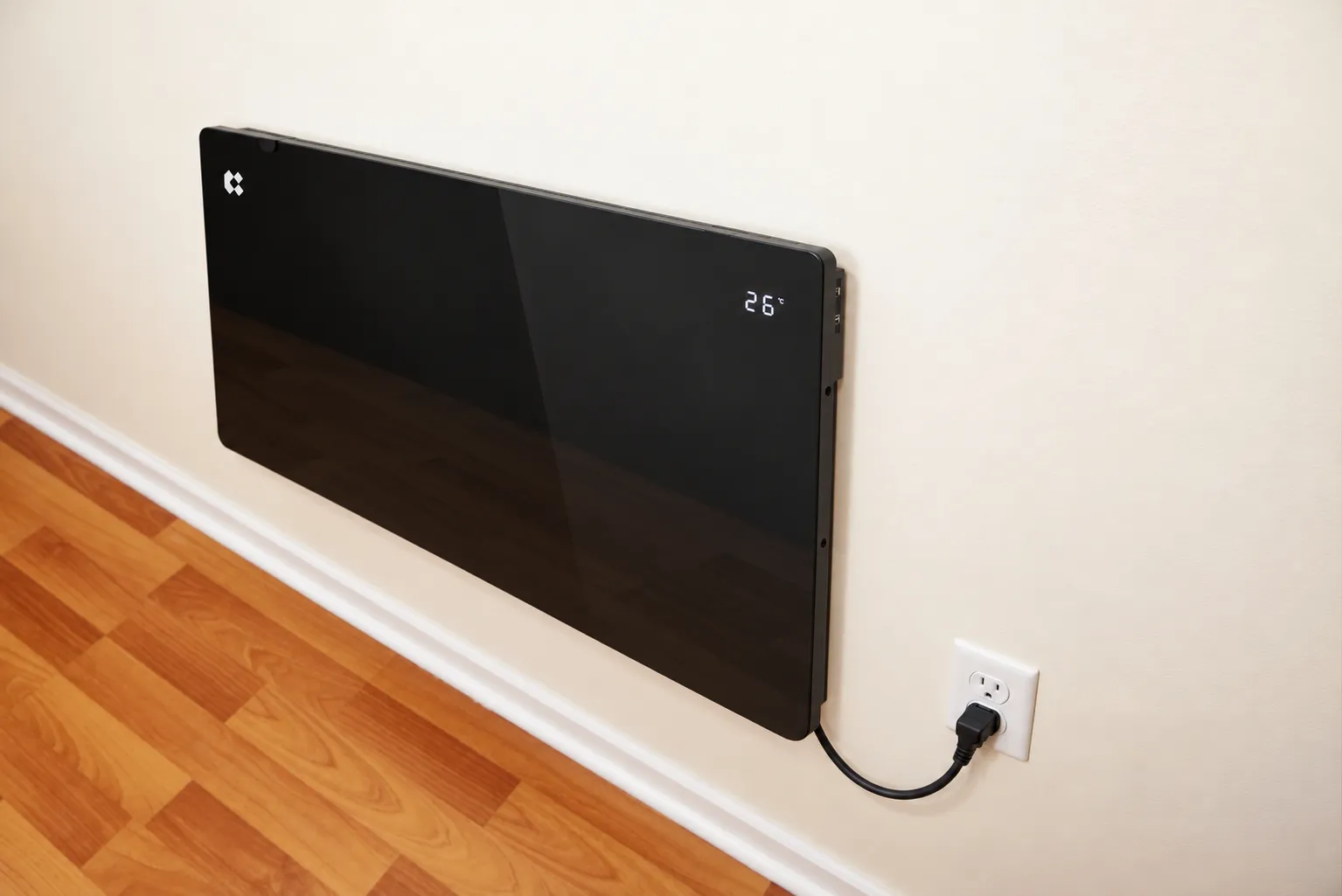
Wall-mounted heaters are another option, especially when floor space is limited. However, they must be installed according to the manufacturer’s instructions.
Consider the heater’s size, appearance, and controls before making your decision. A simple design with clearly marked buttons can make everyday operation more convenient.
You should also think about noise levels. Traditional convector heaters are generally quiet, while fan-assisted models may produce some additional noise.
6. Check the Thermostat and Timer
A thermostat is a useful feature because it helps regulate the room temperature. Once the room reaches the selected temperature, the heater can reduce or stop heating and restart when necessary.
Some models also include programmable timers. These allow you to schedule heating for particular periods, depending on the model’s capabilities.
These features can improve convenience and help prevent unnecessary operation. However, the actual electricity savings depend on your heating habits, room conditions, and selected temperature.
Before buying a heater, check whether its controls are easy to understand and adjust.
7. Compare Price and Product Quality
Price is another important factor when choosing the best convector heater. Basic models may offer simple heating functions, while more expensive options may include digital displays, programmable timers, and additional safety features.
Do not choose a heater based only on its price. Compare its power rating, warranty, build quality, safety features, and expected running costs.
When researching home appliance brands such as Ciarra One, review the specific products available and confirm their intended purpose. Do not assume that every brand offers convector heaters. Check official product information before making a purchase.
Customer reviews can also help you understand a product’s practical advantages and disadvantages.
8. Consider Maintenance and Durability
A good convector heater should be easy to maintain. Dust can collect around the air openings, so regular cleaning is important for proper airflow.
Always switch off and unplug the heater before cleaning it, and allow it to cool completely. Follow the manufacturer’s cleaning instructions and avoid using water on electrical components.
Check the warranty and availability of customer support before purchasing. A product with clear warranty terms can provide greater confidence if a problem occurs.
Conclusion
Choosing the best convector heater requires careful consideration of heating capacity, energy consumption, safety features, design, thermostat controls, price, and durability. The right model can provide comfortable warmth and make winter days more enjoyable.
