

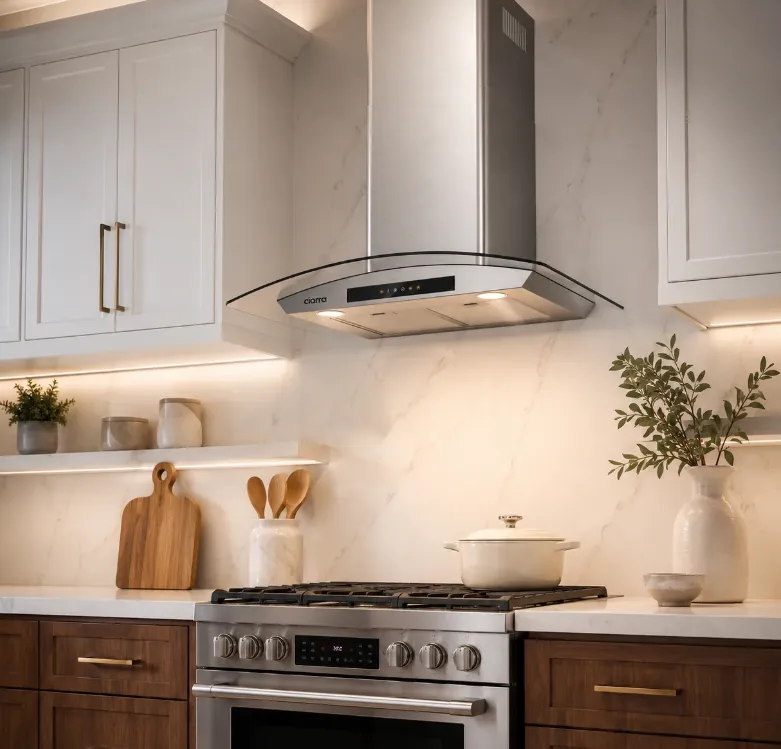
A beautiful kitchen is more than an attractive countertop, stylish cabinets, and modern appliances. It is also a space where comfort, cleanliness, and fresh air matter every day. Whether you enjoy preparing quick breakfasts, experimenting with new recipes, or cooking delicious family meals, the air in your kitchen plays an important role in your overall experience. That is where a range hood becomes an essential addition to your home.
Cooking releases smoke, steam, grease, odors, and airborne particles that can quickly spread throughout your living space. Without proper ventilation, these pollutants may settle on cabinets, walls, and nearby furniture, leaving your kitchen feeling less fresh. A well-designed ventilation system helps manage these everyday challenges while making your cooking environment more comfortable.
Today’s kitchen ventilation options combine practical performance with impressive designs. From sleek stainless-steel models to elegant built-in installations, homeowners can choose solutions that complement almost any interior style. Understanding the available options, important features, and installation requirements can help you make a smart decision for your home.
What Is a Range Hood and Why Does It Matter?
A range hood is a kitchen appliance installed above a cooktop or stove to capture smoke, grease, steam, and cooking odors. Depending on its design, it either sends contaminated air outdoors through ductwork or filters the air before returning it to the kitchen.
Although ventilation appliances are sometimes overlooked during kitchen renovations, they can make a noticeable difference in everyday cooking. Imagine frying vegetables, grilling meat, or preparing a spicy dish without allowing strong odors to linger for hours. Effective ventilation helps reduce that problem and supports a cleaner cooking area.
Another important benefit is grease control. Cooking oils can release tiny particles that settle on surrounding surfaces. Over time, this residue may make cabinets sticky and increase cleaning requirements. A suitable hood with effective grease filters helps capture some of these particles before they spread throughout the room.
Proper ventilation can also help manage excess heat and moisture, depending on the system and installation. For households that cook frequently, these benefits make kitchen ventilation a practical investment rather than simply a decorative upgrade.
Explore Different Types of Kitchen Ventilation
Every kitchen has different dimensions, design preferences, and ventilation requirements. Choosing the right style starts with understanding the main options.
1. Wall-Mounted Models
Wall-mounted hoods are installed against a wall above the cooking surface. They are available in various finishes, including stainless steel, black, and contemporary glass designs.
These models work particularly well in kitchens where the stove sits against a wall. Their visible appearance can create a striking focal point while providing ventilation for everyday cooking.
2. Under-Cabinet Models
Under-cabinet hoods fit beneath kitchen cabinets, making them an excellent choice for homes where space is limited. Their compact construction allows homeowners to maintain a clean, organized appearance without sacrificing valuable storage space.
Depending on the model, these appliances may offer ducted or ductless operation. Their straightforward design makes them popular for apartment kitchens, smaller homes, and practical renovation projects.
3. Island Hoods
If your cooktop sits on a kitchen island, an island hood may be the ideal solution. These appliances are suspended from the ceiling and designed to ventilate cooking areas that are not positioned against a wall.
Island models can deliver a premium architectural appearance, especially in open-plan kitchens. However, installation requires careful planning because ceiling support, duct routing, and suitable ventilation capacity are important considerations.
4. Insert and Built-In Hoods
For homeowners who prefer a seamless appearance, insert hoods can be integrated into custom cabinetry or a purpose-built enclosure.
These systems keep the ventilation equipment relatively discreet while allowing the surrounding cabinetry to define the kitchen’s overall style. They are especially appealing in minimalist interiors where clean lines and uncluttered surfaces take priority.
5. Ductless Hoods
Ductless models draw air through filters, which may include grease filters and activated carbon filters, before returning it to the room.
They can be useful where installing an outdoor exhaust duct is difficult or impractical. However, they do not remove indoor air in the same way as ducted systems, and their ability to reduce odors depends on filter quality, maintenance, and usage.
Understanding CFM: How Much Power Do You Need?
One of the most important specifications to consider is CFM, which stands for cubic feet per minute. It measures the volume of air a ventilation appliance can move under specified conditions.
A higher CFM rating can be helpful for demanding cooking activities, but choosing the most powerful model available is not always necessary. The right capacity depends on your cooktop, cooking habits, kitchen layout, and ventilation system.
For example, someone who mainly prepares light meals may have different requirements from a household that frequently sears meat, fries food, or cooks with high heat.
Duct design also matters. Long duct runs, sharp bends, and undersized ductwork can restrict airflow and reduce real-world performance. Therefore, a powerful motor cannot compensate for every installation problem.
Before purchasing, review the manufacturer’s recommendations and applicable building requirements. A qualified installer can help determine an appropriate airflow capacity for your kitchen and ensure that the system operates effectively.
Essential Features Worth Considering
Modern ventilation appliances offer more than basic air extraction. Comparing practical features can help you find a model that suits your lifestyle.
Effective filtration: Washable metal grease filters capture grease particles and are convenient for regular maintenance. Ductless models generally require suitable odor-reduction filters as well.
Multiple fan speeds: Different cooking methods produce different amounts of smoke and steam. Adjustable speeds allow you to select stronger ventilation when needed and quieter operation during lighter cooking.
LED lighting: Integrated lights improve visibility over the cooking surface, making it easier to monitor food and prepare ingredients.
Noise performance: A loud fan can make conversation uncomfortable, especially in open-plan homes. Compare published sound ratings at different fan speeds instead of judging noise by motor power alone.
Easy-to-clean surfaces: Smooth finishes, accessible filters, and removable components can make routine maintenance much simpler.
Automatic controls: Some premium models include sensors or automatic fan functions that respond to cooking conditions. These features may improve convenience, although their usefulness depends on the specific appliance.
Choosing a Design That Complements Your Kitchen
Ventilation should work beautifully without disrupting the overall design of your kitchen. Fortunately, today’s appliances are available in styles suitable for both traditional and contemporary spaces.
Stainless steel remains a popular option because it offers a professional appearance and coordinates with many other appliances. Black finishes can create dramatic contrast against light-colored cabinets, while integrated designs provide a more understated look.
Size is equally important. The hood should be appropriately matched to the cooking surface, following the manufacturer’s installation guidance. In many situations, a hood that extends beyond the cooktop edges can improve capture performance, especially when cooking produces smoke or steam near the sides.
Consider ceiling height, cabinet placement, available space, and the distance between the appliance and cooktop. A beautiful design is most successful when it also provides comfortable headroom, suitable lighting, and effective ventilation.
Installation: Details That Make a Difference
Even a high-quality appliance can perform poorly if it is installed incorrectly. Before purchasing, confirm whether your kitchen can accommodate ductwork or whether a recirculating model is more practical.
For ducted systems, the exhaust route should follow the manufacturer’s specifications and applicable building codes. Using appropriately sized ducting and minimizing unnecessary bends can help maintain airflow.
The mounting height must also follow the manufacturer’s instructions and any requirements for the cooking appliance beneath it. Gas and electric cooktops may have different clearance requirements, so avoid assuming that one installation measurement suits every situation.
Electrical connections, mounting supports, and exterior exhaust arrangements should be handled correctly. Professional installation is particularly valuable for island models, major renovations, and systems requiring new ductwork.
In homes with combustion appliances, exhaust ventilation can affect indoor air pressure. Appropriate makeup-air provisions may be required in some installations. A qualified professional can evaluate these considerations and help ensure safe operation.
Maintenance Tips for Long-Lasting Performance
Regular care helps preserve ventilation performance and keeps your kitchen looking its best.
Start by cleaning grease filters according to the manufacturer’s recommendations. Depending on the design, filters may be dishwasher-safe or require hand washing. Allow them to dry completely before reinstalling them.
Wipe exterior surfaces with a suitable cleaner and a soft cloth to prevent grease buildup. Avoid abrasive products that could damage stainless steel, painted finishes, or decorative glass.
For ductless models, replace activated carbon filters at the recommended intervals. These filters cannot usually be restored simply by washing them, although certain models use specialized reusable filters.
Periodically check for unusual noises, reduced airflow, or persistent odors. These signs may indicate a clogged filter, a ventilation obstruction, or a maintenance issue that requires attention.
A few minutes of routine care can help your appliance operate more consistently and reduce the likelihood of avoidable problems.
Common Buying Mistakes to Avoid
One frequent mistake is selecting an appliance based on appearance alone. Attractive styling matters, but airflow, noise, filtration, and installation compatibility should receive equal attention.
Another mistake is assuming that every kitchen needs the highest available CFM rating. Excessive capacity may be unnecessary, and some installations require additional makeup air or other design considerations.
Ignoring filter replacement costs can also create problems later. Check whether replacement filters are readily available and affordable before committing to a particular model.
Finally, do not overlook the manufacturer’s warranty, product dimensions, installation requirements, and cleaning instructions. Reviewing these details before purchase can help you avoid expensive surprises and choose an appliance that meets your actual needs.
Conclusion: Make Every Cooking Experience More Enjoyable
A fresh, comfortable kitchen begins with thoughtful design and reliable ventilation. By comparing appliance styles, understanding airflow requirements, choosing practical features, and maintaining filters regularly, you can create a cooking space that feels cleaner and works better for your household. Whether you are renovating an older kitchen or upgrading a newly designed home, the right range hood can bring together everyday functionality, attractive styling, and improved cooking comfort. Take time to evaluate your space, cooking habits, and installation options before making your final choice, and you will be better prepared to enjoy a kitchen that looks inviting and supports your culinary creativity for years to come.
