

Buying or selling a home is already one of the most detail-heavy processes most people will go through in their lifetime. Between financing, negotiations, title work, and general home inspections, it is easy to let something as critical as the septic system fall through the cracks. But for properties on private septic, skipping or rushing septic inspections can lead to consequences that nobody wants to deal with after the keys change hands.
Whether you are a buyer doing your due diligence, a seller trying to avoid last-minute surprises, or a real estate professional guiding clients through the process, understanding what a septic inspection involves and why it matters is genuinely useful knowledge. This is not a minor checkbox. For many properties, the septic system represents one of the most significant infrastructure components on the lot.
Why Septic Systems Deserve Their Own Inspection
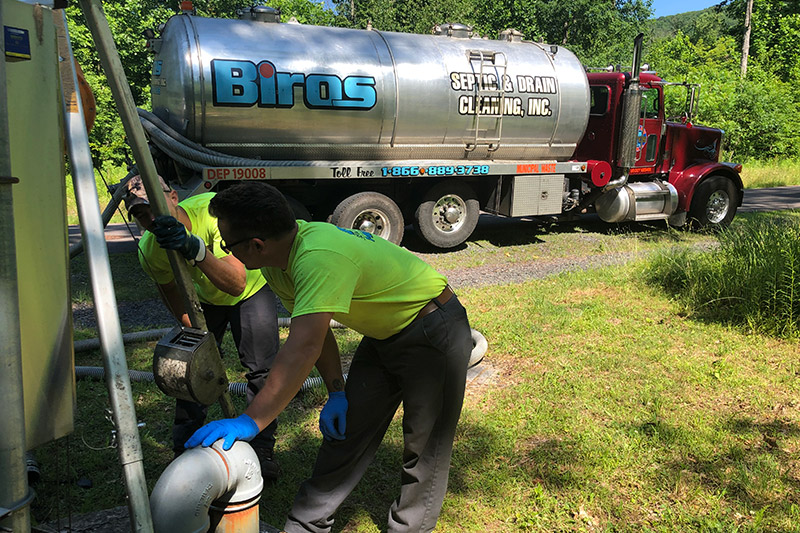
A general home inspection covers a lot of ground. Roof condition, electrical panels, HVAC systems, structural concerns, plumbing fixtures, and more are all part of a standard walk-through. But the septic system is a separate and specialized piece of infrastructure, and most general home inspectors are not trained or licensed to evaluate it in depth.
A septic system includes multiple components: the tank itself, inlet and outlet baffles, distribution boxes or manifolds, and the drainfield or absorption area. Each of these components ages differently, fails for different reasons, and requires a different type of evaluation. A trained septic inspector looks at the full picture, not just whether water drains properly from the kitchen sink.
There is also the issue of what is underground. General visual inspections cannot reveal what is happening inside a buried tank or along a subsurface drainfield. A dedicated septic inspection will typically involve locating and exposing the tank, checking liquid and solids levels, evaluating the condition of internal components, and assessing the drainfield for signs of saturation or failure.
Without that level of evaluation, buyers are essentially accepting an unknown. And unknowns in real estate can be expensive.
What Can Go Wrong If You Skip It
Here is where the stakes become very clear.
Septic system repairs are not cheap. Depending on the problem, costs can range from a few hundred dollars for a minor repair to tens of thousands for a full system replacement. A failed drainfield, for example, is not a patch-it-and-move-on situation. In many cases, it means installing an entirely new absorption system, which involves excavation, permitting, soil testing, and significant labor.
Buyers who close on a property without a proper septic inspection sometimes find themselves facing major repair bills within the first year of ownership. In some situations, the system may have already been showing signs of failure that a thorough inspection would have caught. Once the deed is signed and the transaction is closed, the financial responsibility falls entirely on the new owner.
Sellers are not immune to these risks either. If a problem surfaces during a buyer-ordered inspection after a contract is already in place, the deal can fall apart, get renegotiated at a lower price, or stall for weeks while repair options are evaluated. A proactive pre-listing inspection gives sellers the information they need to address issues on their own timeline rather than under contract pressure.
What a Septic Inspection Actually Involves
This is where a lot of people have misconceptions. Many assume a septic inspection means someone looks at the tank lid and calls it a day. A thorough inspection is considerably more involved than that.
System Locating: Before anything else, the inspector needs to locate the tank and, where possible, identify the drainfield boundaries. On older properties, there may be no records of where the system was installed or what configuration it follows. Locating services using specialized equipment can map the system accurately.
Tank Access and Visual Evaluation: The tank is uncovered, opened, and visually inspected. The inspector checks the level of solids and scum layers, which indicates whether the tank needs to be pumped. They also examine the condition of the inlet and outlet baffles, look for signs of cracking or structural compromise in the tank itself, and verify that the tank is functioning as designed.
Drainfield Assessment: The drainfield is evaluated for signs of saturation, surfacing effluent, and proper distribution. A failing drainfield often shows visible signs, like soggy ground or overly lush patches of vegetation, but a trained eye can also read more subtle indicators.
Hydraulic Load Testing: In some cases, especially in Pennsylvania real estate transactions governed by specific regulatory requirements, a hydraulic load test may be part of the inspection process. This involves running a measured volume of water through the system and monitoring how the drainfield responds under load conditions.
PSMA and NOF Certified Inspections: In Pennsylvania, certain transactions involving on-lot septic systems may require a PSMA (Pennsylvania Septage Management Association) or NOF (Non-Discharge Onlot System) certified inspection. These are standardized inspection protocols with specific documentation requirements, and they carry more weight in a real estate transaction than an informal evaluation.
The Timing Question: When Should the Inspection Happen?
Timing matters more than most people realize.
For buyers, the inspection should happen as part of the due diligence period, ideally before any financing contingencies are finalized. This gives the buyer time to review the results, ask questions, and negotiate if necessary. Waiting until the last week before closing leaves very little room to respond to anything unexpected.
For sellers, a pre-listing inspection is becoming increasingly common and for good reason. It eliminates the element of surprise, speeds up the transaction, and gives the seller the ability to make repairs or adjust pricing before putting the home on the market. A clean inspection report can also be a genuine selling point, particularly in areas where buyers are cautious about older or rural properties.
For real estate agents and attorneys, understanding what the inspection covers and how results should be interpreted is an important part of guiding clients through the process. An agent who can explain the difference between a system that needs routine maintenance versus one with a significant structural issue is a much more effective advocate.
Common Issues That Turn Up During Inspections
Not every inspection reveals a problem. Plenty of septic systems are in solid working condition and simply need routine maintenance. But here are some of the more common findings that inspectors encounter.
Overfull Tanks: A tank that has not been pumped in years will have elevated solids levels that can push material toward the drainfield. This is one of the most common findings and one of the easiest to address before closing.
Damaged or Missing Baffles: Inlet and outlet baffles direct flow inside the tank and help prevent solids from traveling where they should not go. They are prone to corrosion over time, particularly in older concrete tanks. A missing or deteriorated baffle is a relatively simple repair but an important one.
Crushed or Offset Lines: Distribution lines can crack, shift, or become crushed over time due to soil movement, root intrusion, or vehicle traffic over the system. Camera inspections of the lines can reveal these issues clearly.
Drainfield Saturation: A saturated drainfield is one of the more serious findings. It may be caused by years of neglect, an oversized household for the system’s capacity, or soil conditions that have changed over time. Depending on the extent, remediation options can range from resting the field to full replacement.
No Accessible Risers: Many older systems have no risers, meaning the tank lids are buried underground with no surface access point. While this is not a failure, it does mean the next service visit will require excavation to access the tank. Riser installation is a relatively simple upgrade that adds long-term value and accessibility.
What Buyers and Sellers Should Both Understand
The goal of a septic inspection is not to kill a deal. It is to make sure both parties understand what they are working with so that the transaction is fair and the buyer knows what they are taking on.
A good inspection report does not necessarily mean the property is a bad buy. It means the buyer has real information. They can factor repair costs into negotiations, request that the seller address specific issues before closing, or simply decide they are comfortable with the system’s current condition. That clarity is worth a great deal.
For sellers, having documentation of a functioning, well-maintained system is genuinely reassuring to buyers. It removes one of the bigger unknowns from the table and signals that the property has been cared for.
Final Thought
Real estate transactions involve enough complexity without leaving the septic system as a mystery. For any property on private septic, a proper evaluation by a qualified inspector is one of the most practical steps either side of the transaction can take. The information it provides is concrete, actionable, and often the difference between a smooth closing and a costly surprise
