
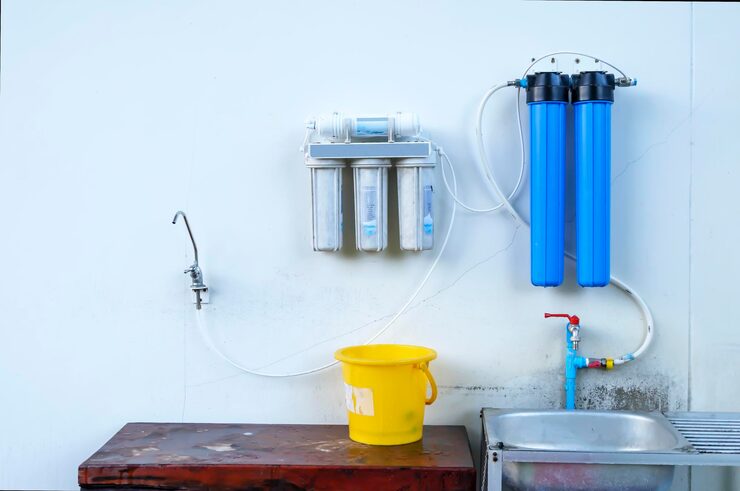

Living or working in a remote location offers many benefits, from greater independence and self-sufficiency to a closer connection with nature. Whether it’s a rural cottage, a farm, a woodland retreat, a caravan site, or an off-grid cabin, one challenge remains the same: access to safe, reliable drinking water.
For properties that are not connected to mains water supplies, ensuring clean water can be a significant concern. Natural water sources such as wells, springs, rivers, lakes, and rainwater harvesting systems may provide a valuable supply of water, but they can also contain bacteria, viruses, sediment, and other contaminants.
This is why investing in a reliable off-grid water filter is one of the most important decisions for anyone living or travelling in remote locations. Modern filtration technologies now make it possible to produce safe drinking water without relying on chemicals or complex infrastructure.
Why Water Filtration Matters Off the Grid
Unlike municipal water systems, off-grid properties often depend on untreated water sources.
These may include:
- Boreholes
- Wells
- Springs
- Rainwater collection systems
- Rivers and streams
- Storage tanks
While these sources can provide a sustainable supply of water, they are vulnerable to contamination from wildlife, agricultural runoff, flooding, and naturally occurring microorganisms.
Even crystal-clear water can contain harmful pathogens that are invisible to the naked eye. Bacteria, viruses, and parasites can all pose serious health risks if left untreated.
A properly designed filtration system helps create a reliable barrier between these contaminants and your drinking water supply.
Common Challenges in Remote Water Supplies
Remote locations often face unique water treatment challenges.
Seasonal Changes
Heavy rainfall can increase sediment levels and introduce contaminants into wells, springs, and surface water sources.
Limited Infrastructure
Many off-grid properties lack access to conventional treatment facilities and therefore require self-contained solutions.
Energy Constraints
Some locations rely on solar power, batteries, or generators, making energy-efficient water treatment systems highly desirable.
Variable Water Quality
Water quality may change throughout the year depending on weather conditions, agricultural activity, and environmental factors.
These challenges make it essential to choose a filtration solution specifically designed for off-grid use.
What Makes a Good Off-Grid Water Filter?
Not all filtration systems are suitable for remote environments.
An effective off-grid water filter should ideally offer:
- Reliable pathogen removal
- Low maintenance requirements
- Minimal energy consumption
- Durable construction
- Easy installation
- Long service life
For many off-grid users, simplicity and reliability are just as important as filtration performance.
The Benefits of Ultrafiltration Technology
One of the most promising developments in off-grid water treatment is ultrafiltration.
Unlike basic sediment filters, ultrafiltration systems use advanced membrane technology to physically remove extremely small contaminants from water. Modern ultrafiltration membranes can effectively remove bacteria, viruses, suspended solids, and other harmful microorganisms while allowing beneficial minerals to remain in the water. Some advanced ultrafiltration systems utilise membrane pore sizes as small as 0.02 microns, creating a highly effective physical barrier against contaminants.
This makes ultrafiltration particularly well suited for remote locations where water quality may be uncertain.
Chemical-Free Water Treatment
Many traditional water treatment methods rely on chemicals such as chlorine.
While effective, chemical treatment can affect the taste and odour of drinking water. It also requires ongoing storage and handling of treatment products.
Modern off-grid filtration systems increasingly use physical filtration processes that operate without chemicals. Advanced ultrafiltration solutions can remove bacteria and viruses without altering the natural taste of the water.
For many homeowners and outdoor enthusiasts, this provides a more convenient and environmentally friendly approach to water purification.
The Importance of Energy Independence
One of the biggest concerns for off-grid living is energy consumption.
Water treatment systems that require continuous electricity may place additional strain on solar power systems, batteries, or generators.
Modern membrane-based filtration solutions offer significant advantages because many can operate without dedicated electrical power. Some flexible ultrafiltration systems use existing water pressure rather than electricity to produce safe drinking water.
This makes them particularly attractive for:
- Off-grid homes
- Remote cabins
- Motorhomes
- Caravans
- Boats
- Agricultural buildings
Reducing energy requirements helps improve overall self-sufficiency while lowering operating costs.
Flexible Solutions for Different Water Sources
One of the key advantages of modern filtration technology is its versatility.
A high-quality off-grid water filter can often be connected to multiple water sources, including:
- Spring water
- Well water
- Boreholes
- Rainwater systems
- Surface water supplies
Some ultrafiltration systems are specifically designed to connect directly to a variety of raw water sources while maintaining consistent filtration performance.
This flexibility is especially valuable for remote properties where water availability may vary throughout the year.
Low Maintenance for Long-Term Reliability
When living off-grid, convenience matters.
Property owners often prefer systems that require minimal maintenance and few replacement parts. Frequent filter changes can be expensive and inconvenient, particularly in remote areas where supplies may not always be readily available.
Many off-grid users and water treatment professionals highlight the importance of durable filtration systems that can be cleaned and maintained without constant cartridge replacement. Community discussions around off-grid water treatment consistently emphasise long service life and ease of maintenance as key factors when selecting a filtration system.
Choosing a low-maintenance solution can significantly reduce long-term ownership costs.
Ideal Applications for Off-Grid Water Filtration
Off-grid filtration systems are becoming increasingly popular across a wide range of applications.
These include:
Rural Homes
Providing safe drinking water from private wells, springs, and boreholes.
Holiday Cabins
Ensuring reliable water quality in remote accommodation.
Farms
Supporting agricultural operations and isolated properties.
Motorhomes and Caravans
Allowing travellers to access safe drinking water wherever they go.
Boats and Marine Environments
Helping maintain water quality while travelling or living aboard.
Many modern ultrafiltration systems are specifically designed to perform effectively in mobile and remote environments where conventional treatment systems may not be practical.
Preparing for the Future
As more people embrace self-sufficient lifestyles, demand for reliable off-grid water treatment continues to grow.
Whether motivated by sustainability, energy independence, rural living, or emergency preparedness, property owners increasingly recognise the importance of secure access to clean water.
Advances in ultrafiltration technology are making off-grid water treatment more effective, efficient, and accessible than ever before. Flexible membrane-based systems now offer a practical way to produce safe drinking water from a wide variety of natural sources without relying on chemicals or extensive infrastructure.
Conclusion
Access to clean drinking water is one of the most important aspects of successful off-grid living. While remote locations often present unique challenges, modern filtration technologies provide reliable solutions that help ensure water safety and peace of mind.
A high-quality off-grid water filter can protect against harmful microorganisms, reduce dependence on chemical treatments, and support greater self-sufficiency. For homeowners, travellers, farmers, and outdoor enthusiasts alike, investing in effective water filtration is an essential step towards a safer and more sustainable off-grid lifestyle.
As filtration technology continues to evolve, flexible ultrafiltration systems are helping make clean drinking water accessible in even the most remote locations.
