
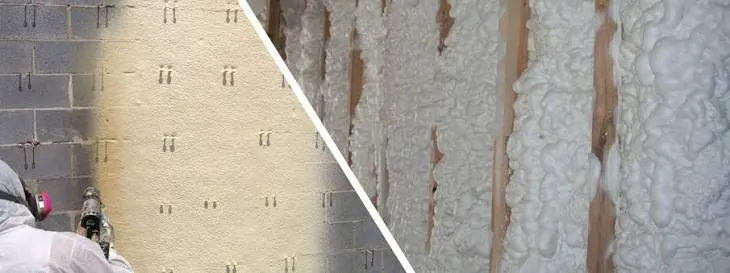

Choosing the right insulation is an important decision for any homeowner, especially in a state where heat and humidity can place extra demands on a home’s energy efficiency. When comparing open cell vs closed cell spray foam Florida, it’s helpful to understand how each material performs under different conditions. Both options offer excellent insulating properties, but they differ in structure, cost, moisture resistance, and ideal applications. Knowing these differences makes it easier to select the solution that matches your home’s needs.
Understanding How Spray Foam Works
Spray foam insulation expands after application, filling small gaps and creating a continuous insulating layer. Unlike traditional insulation materials, it can reduce unwanted air movement through walls, ceilings, and attic spaces.
The two primary types are open cell and closed-cell spray foam. Although both are designed to improve thermal performance, their density and physical characteristics make them suitable for different situations.
When homeowners research open cell vs closed cell spray foam Florida, they are usually trying to determine which product provides the best balance of performance and value for Florida’s climate.
Comparing Open Cell and Closed Cell Foam
One of the biggest differences between these insulation materials is their density. Open cell spray foam contains tiny air pockets that make it lighter and more flexible. Closed cell spray foam is much denser and forms a rigid structure after curing.
Here is a simple comparison:
- Open cell spray foam expands significantly to fill irregular spaces.
- Provides excellent air sealing.
- Helps reduce indoor noise.
- Usually costs less than closed cell foam.
- Closed cell spray foam offers a higher insulation value per inch.
- Adds structural strength to certain building components.
- Resists moisture more effectively.
- Requires less thickness to achieve similar thermal performance.
The right option depends on the home’s construction, insulation goals, and budget rather than one material being universally better than the other.
Is Spray Foam Insulation Safe?
A common concern among homeowners is spray foam insulation safe after installation. When installed correctly by trained professionals and allowed to cure according to manufacturer recommendations, spray foam insulation is generally considered safe for residential use.
Proper preparation and ventilation during installation are important because the materials undergo a chemical reaction while expanding and curing. Once the curing process is complete, the foam becomes stable and functions as a long-lasting insulation material.
Homeowners should always follow occupancy recommendations provided by the installer to ensure the installation process is completed safely.
Which Option Performs Better in Florida?
Florida’s climate presents unique challenges that should be considered when selecting insulation. High humidity, intense sunlight, and extended cooling seasons mean insulation must do more than simply slow heat transfer.
Open cell foam performs well in interior applications where flexibility and sound reduction are priorities. Its ability to expand allows it to seal small gaps effectively.
Closed cell foam is often selected for areas that may experience higher moisture exposure or where maximum insulation performance is desired in limited space. Because it has a higher R-value per inch, it can be beneficial when wall or roof cavity depth is restricted.
Rather than focusing only on insulation value, homeowners should also consider ventilation, moisture management, and the overall design of the building envelope.
Factors That Influence Your Decision
Every property has different insulation requirements. Before choosing between the two products, several practical considerations should be evaluated.
Important factors include:
- Age and construction of the home.
- Existing insulation condition.
- Available installation space.
- Moisture exposure.
- Desired energy efficiency improvements.
- Budget for the project.
A complete assessment helps determine which spray foam type aligns best with both immediate needs and long-term performance expectations.
Looking Beyond Initial Cost
Many homeowners naturally compare installation prices first, but long-term performance should also be part of the decision. A lower initial cost does not always translate into greater value over time, especially if insulation performance does not match the home’s requirements.
Quality installation, proper air sealing, and selecting the appropriate foam for the specific application often have a greater impact than choosing based solely on price. Considering future energy efficiency, indoor comfort, and durability can help homeowners make a more informed investment.
Conclusion
When comparing open cell vs closed cell spray foam Florida, there is no single solution that fits every home. Open cell foam offers flexibility, sound reduction, and effective air sealing, while closed cell foam provides higher insulation performance and improved moisture resistance in many applications. Understanding is spray foam insulation safe, along with the strengths of each insulation type, allows homeowners to make confident decisions based on their home’s design, local climate, and long-term energy goals. Consulting a qualified insulation professional can help identify the option that delivers the best overall performance for your specific property.
