

Key Takeaways
-
Regular maintenance of heating and plumbing systems ensures optimal performance and longevity.
-
Simple adjustments, such as sealing drafts and insulating pipes, can significantly reduce energy bills.
-
Utilizing programmable thermostats and smart technology enhances energy efficiency.
Keeping your home’s heating and plumbing systems efficient is essential for reducing utility costs and ensuring year-round comfort. Taking proactive steps can improve system performance, prevent excessive repairs, and enhance your overall living environment. Homeowners in need of immediate solutions can also explore 24/7 emergency plumbing services in St. George, UT, for fast, professional help during critical issues. Smart, strategic maintenance protects your property from damage and helps you manage energy consumption more effectively. By understanding where to focus your efforts, you can keep your systems running reliably and avoid costly surprises when the weather turns harsh.
With just a few adjustments and regular attention to your home’s critical systems, you will see savings reflected in your energy bills. Adopting modern technology and committing to basic DIY maintenance allows you to catch small problems before they escalate. If you are unsure where to start, the tips outlined here will guide you through practical, proven strategies for keeping your heating and plumbing in optimal condition. These methods work whether you live in a new build or an older home and are applicable to a wide range of climates and property sizes.
Regular Maintenance of Heating Systems
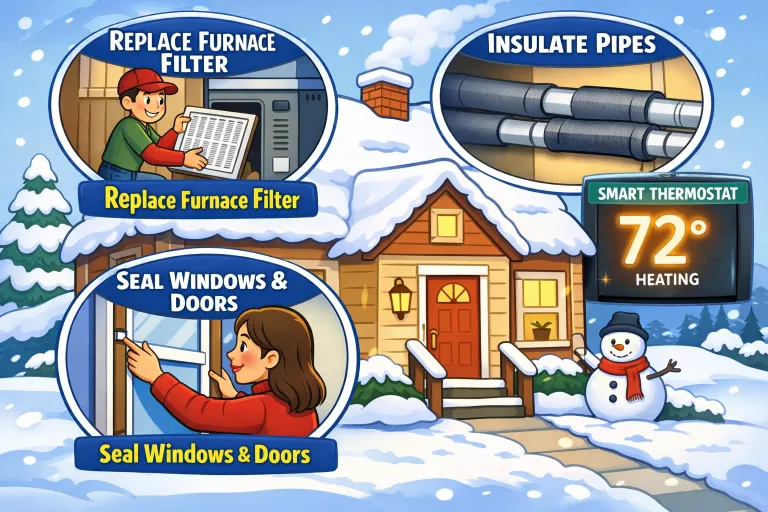
Annual inspections and cleanings are fundamental to keeping your heating system efficient and reliable. During a service visit, professionals check components, clean burners, and inspect safety controls. To support their work, replace air filters every 1 to 3 months to help maintain airflow and indoor air quality. Without regular maintenance, build-up and wear can make your system work harder, driving up energy costs and increasing the risk of breakdowns.
Sealing Drafts and Insulating Your Home
Heat often escapes through small gaps around windows, doors, and other openings, causing your system to work harder to maintain comfortable temperatures. Simple fixes, such as weatherstripping or applying caulk around frames, block cold air from entering and warm air from leaving. Additionally, bolstering insulation in attics, crawl spaces, and walls traps heat inside during winter and keeps cool air in during summer. This targeted approach not only reduces stress on your heating system but also enhances indoor comfort year-round.
Optimizing Thermostat Settings
Making small changes to thermostat settings can lead to substantial energy savings. Lowering the heat by a few degrees at night or while you are away helps cut costs with little effect on comfort. Programmable thermostats offer automated temperature adjustments that align with your typical schedule, ensuring your system only runs when needed. Many modern options also let you control your heating remotely via smartphone apps, offering both flexibility and efficiency.
Routine Plumbing Maintenance
Regularly inspecting your plumbing helps you spot leaks or drips early, saving both water and money. Examine pipes, faucet joints, and fixtures for signs of moisture or scale buildup, and tighten or repair any compromised connections. Preventing clogs is equally important. Avoid flushing or draining grease, hair, or other foreign objects, and use strainers periodically to keep drains clear. Small efforts now can prevent major water damage and reduce your monthly utility bills.
Insulating Pipes to Prevent Freezing
Exposed plumbing in colder zones of your home is especially vulnerable during winter. Adding foam rubber or fiberglass insulation sleeves to pipes in unheated areas, such as basements and garages, is an easy way to prevent freezing. Not only will this help maintain water temperature, but it can also reduce the likelihood of pipe bursts and structural damage. Insulation is an affordable fix that delivers peace of mind during subfreezing weather events.
Enhancing Water Heater Efficiency
Set your water heater thermostat to approximately 120°F for a balance between comfort and efficiency. Sediment often accumulates in the tank over time, potentially reducing the unit’s heating capacity. Flushing the tank annually removes this build-up and extends the life of your system. Installing insulating jackets and wrapping the first few feet of hot water pipes also helps minimize heat loss, making your system more productive and your utility bills lower.
Incorporating Smart Technology
Smart thermostats and water leak detectors are becoming increasingly popular for managing home energy use. With these devices, you can adjust settings remotely and receive alerts if leaks or unusual usage patterns occur. These advanced tools learn your preferences and automatically adapt, further improving efficiency over time. Homeowners interested in staying on the cutting edge of household management should consider integrating these technologies for maximum convenience and savings.
When to Seek Professional Assistance
Some maintenance projects, such as cleaning filters or inspecting exposed pipes, are well-suited to do-it-yourself approaches. However, situations such as complex leaks, persistent uneven heating, or frequent system cycling generally call for professional help. Regular service visits from licensed technicians not only resolve current issues but also identify potential problems before they become serious, helping you avoid extensive and expensive repairs in the future.
Final Thoughts
Following these strategies ensures your home remains comfortable, safe, and energy-efficient year-round. Regular maintenance, effective insulation, and smart upgrades are all key to cost savings and peace of mind for today’s homeowners.
