

Post Preview
Key Takeaways
-
Integrated pest management (IPM) combines prevention and limited use of pesticides for healthier living spaces.
-
Cleanliness and careful food storage are the first lines of defense against pests.
-
Closing off entry points and handling waste responsibly helps block infestations before they start.
-
Natural repellents and eco-friendly approaches minimize the need for synthetic chemicals.
Maintaining a clean, comfortable home means more than just keeping things organized. Controlling pests safely and sustainably is crucial for your family’s health, the environment, and the value of your property. Many conventional pest control solutions rely heavily on chemicals that pose risks to human health and the environment. Thankfully, effective, environmentally conscious alternatives are available for homeowners seeking safe solutions and lasting results. There are pest control in southern Utah that emphasize eco-friendly methods. With a focus on prevention and the right techniques, you can reduce the risk of unwanted guests in your home while supporting a healthier ecosystem. Practical steps such as household cleanliness, proactive maintenance, and strategic use of natural repellents can dramatically lower pest risks without putting your family or pets in harm’s way.
Understanding Integrated Pest Management (IPM)
Integrated Pest Management (IPM) is a science-based approach to managing pest problems while reducing reliance on chemical solutions. The principles of IPM involve monitoring your home for pests, identifying the source of any infestations, and using the least hazardous intervention that can solve the problem. IPM methods favor physical and biological controls, like traps, barriers, and beneficial predators, while using chemicals only when necessary as a last resort. The Environmental Protection Agency recommends IPM for homeowners because it leads to long-term pest prevention and safer homes for families and pets.
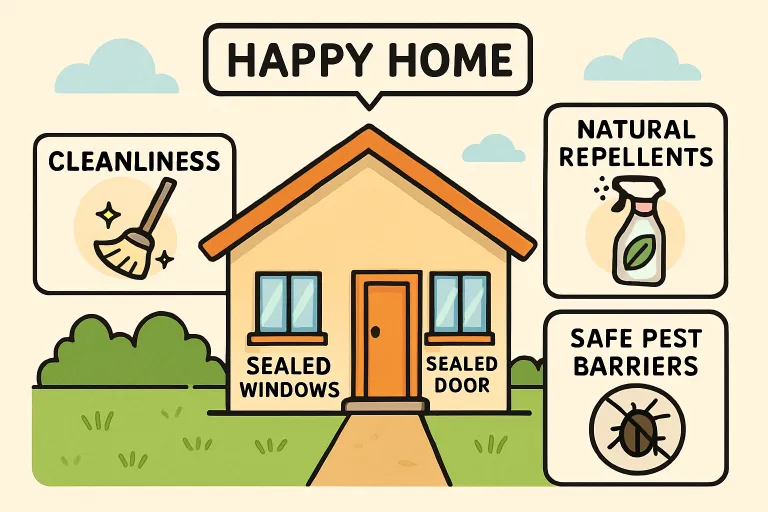
Maintain Cleanliness and Proper Food Storage
Pests look for readily available food and hiding places, so eliminating these incentives keeps infestations at bay. Focus on regular sweeping, wiping down kitchen surfaces, and vacuuming to remove crumbs and residues. Be diligent about not leaving dirty dishes in the sink overnight. Store all food in airtight containers, including leftovers, cereals, and snacks, in both pantries and refrigerators. Pet food should be stored securely and not left in bowls after mealtime. Good waste management is equally essential; use sealed bins indoors and outdoors, and empty them often to minimize odors and attractants.
Seal Entry Points
Most pests enter through tiny cracks or gaps in walls, foundations, windows, or doors. Use caulk, spray foam, or steel wool to block off even the smallest openings you find. Weatherstripping around doors and windows, mesh screens over vents, and door sweeps work together to seal the pathways rodents and insects use to enter homes. Inspect these areas at least once per season, and address any vulnerabilities right away to stay ahead of potential infestations.
Utilize Natural Repellents
Homeowners seeking effective alternatives to chemical pesticides can turn to natural repellents, many of which are easy to find and simple to use. Essential oils such as peppermint, eucalyptus, and tea tree naturally repel insects and can be added to water to create a spray for baseboards, entryways, or cabinets. Diatomaceous earth, a mineral-based powder, safely kills crawling insects by dehydrating them without harming people or pets. Only use food-grade diatomaceous earth and apply it in dry areas prone to frequent pest activity.
Implement Environmental Management
Making your home less inviting to pests means paying attention to outdoor factors as well. Fix leaky pipes to eliminate excess moisture that attracts insects and rodents, and improve drainage around your foundation. Cut back shrubs, trees, and tall grass away from your house to eliminate hiding places and pathways for pests to enter. Secure compost bins and keep outdoor garbage tightly covered to prevent drawing wildlife and insects onto your property. Regular maintenance of these exterior areas can prevent infestations before they start.
Monitor and Detect Early
Frequent inspections and monitoring can help you notice pest activity at the earliest stages. Use sticky traps and visual checks in areas where pests are most likely to appear, such as basements, attics, and behind appliances. Early detection makes responding quickly simpler, often preventing larger infestations and the need for more aggressive measures. Reliable resources, such as the Centers for Disease Control and Prevention’s pest management guide, provide additional tips for safely monitoring and controlling pests.
Educate and Involve Household Members
Everyone in your household has a role to play in pest prevention. Teach family members to recognize early warning signs of pests, report new damage or sightings promptly, and follow best practices for food storage and cleanliness. With everyone involved and informed, your efforts multiply and your home stays protected.
Conclusion
Pest prevention does not have to rely on harmful chemicals or outdated solutions. By combining practical steps, such as IPM, cleanliness, sealing entry points, and using natural repellents, and fostering a team approach among household members, you can achieve a pest-free environment that is safer for your loved ones and friendlier to the planet. Regular vigilance and consistent maintenance create a strong, sustainable defense against even the toughest pests, allowing you to enjoy your home in comfort and health.
