
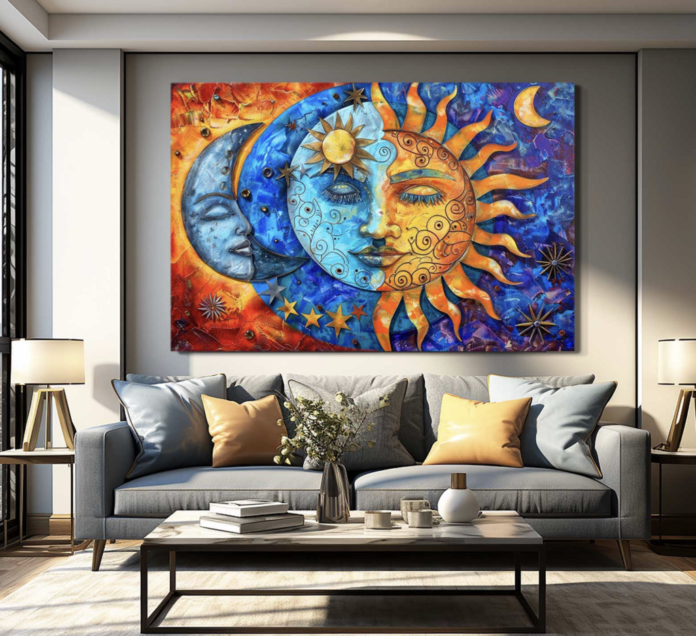

Interior design is not only about furniture, lighting, or architecture. One of the most powerful elements that shapes how a room feels is artwork. Wall art influences mood, scale, balance, and even how large or small a space appears. Designers often use art strategically to manipulate perception and guide how people experience a room.
Whether in a small apartment or a large open-plan home, artwork can transform the visual structure of a space without moving walls or changing furniture. Understanding how art interacts with proportion, color, and placement helps explain why it plays such a central role in interior design today.
Artwork Creates a Clear Focal Point
One of the first ways artwork changes spatial perception is by creating a focal point. Every room benefits from a visual anchor — something that naturally attracts attention when someone enters.
Without a focal point, a room can feel disorganized or unfinished. Artwork helps solve this by directing the eye toward a specific area of the wall. A large canvas above a sofa or a striking piece in an entryway immediately establishes hierarchy within the room.
Once the focal point is defined, the rest of the elements in the space feel more balanced and intentional.
Large Artwork Makes Rooms Feel Bigger
It may seem counterintuitive, but larger artwork often makes a room feel more spacious. Many people decorate with small pieces, assuming they are more appropriate for modest spaces. In reality, multiple small artworks can fragment the wall and make the room appear cluttered.
A single oversized piece simplifies the visual field. By filling a large portion of the wall, it reduces distractions and creates a sense of scale that can make ceilings appear higher and walls feel broader.
Large artwork also eliminates the need for additional decorations, keeping the space clean and open.
Artwork Helps Define Functional Zones
In open-plan homes, artwork plays an important role in separating different areas visually. Without physical walls, large rooms can sometimes feel undefined or chaotic.
Strategically placed art can establish boundaries between zones. For example, a large artwork above the sofa clearly defines the living area, while another piece above a dining table signals the dining zone.
This technique allows homeowners to organize open spaces without adding partitions or bulky furniture.
Color in Artwork Influences Atmosphere
Color has a powerful psychological impact, and artwork is often the easiest way to introduce color into a room. The tones within a piece of art can subtly shape how a space feels.
Soft blues and greens create calm environments, while warm earth tones add comfort and warmth. Bold colors can energize a room and make it feel lively and creative.
Artwork also helps unify a color palette. By repeating tones from a painting in pillows, rugs, or accessories, designers create visual harmony throughout the space.
Orientation Can Change Perceived Dimensions
The orientation of artwork — whether vertical or horizontal — can influence how a room’s proportions are perceived.
Vertical artwork draws the eye upward, which can make ceilings appear taller. This technique works especially well in rooms with limited ceiling height. Tall canvases or stacked artworks emphasize vertical space and create a sense of openness.
Horizontal artwork, on the other hand, widens the visual field. Panoramic pieces can make narrow rooms feel more expansive and balanced.
By choosing artwork orientation carefully, designers subtly reshape how people perceive architectural dimensions.
Artwork Adds Depth to Flat Walls
Walls without decoration often appear flat and lifeless. Artwork introduces layers, shadows, and visual complexity that add depth to the environment.
Textured canvases, layered paint effects, or mixed-media artworks interact with light differently throughout the day. As lighting changes, the artwork shifts in appearance, creating movement and visual richness.
This added dimension makes the room feel more dynamic without adding physical clutter.
Natural Themes Bring Calm to Interiors
Nature-inspired artwork has become increasingly popular because it changes the emotional perception of space. Images of landscapes, forests, oceans, or organic forms bring a sense of calm and balance to interiors.
These pieces can soften modern architecture and introduce warmth into minimalist spaces. Collections such as nature inspired wall art demonstrate how natural imagery can transform a room’s atmosphere while maintaining elegance and simplicity.
Nature-themed artwork is particularly effective in bedrooms and living areas where relaxation is important.
Art Guides How the Eye Moves Through a Room
Interior designers carefully consider how people visually navigate a space. Artwork can guide this movement.
When artworks are arranged thoughtfully — whether in a gallery wall or a sequence along a hallway — they create rhythm. The viewer’s eye moves from one piece to another, exploring the room gradually.
This controlled visual journey makes interiors feel engaging rather than static.
Artwork Connects Architecture and Furniture
Another subtle way artwork changes perception is by linking furniture with architectural elements. When walls remain empty above large furniture pieces, the furniture can feel disconnected from the room.
Artwork bridges that gap. Placing art above sofas, beds, or consoles visually connects vertical and horizontal elements. The result is a more cohesive composition where everything feels integrated.
Art Reflects Personal Identity
Beyond visual perception, artwork influences how people emotionally experience a space. Personal art choices reflect identity, values, and inspiration.
Meaningful artwork creates connection and authenticity within a home. Instead of feeling like a showroom, the space becomes a reflection of the person living there.
Browsing curated collections like those available at Musa Art Gallery often helps homeowners discover pieces that resonate personally while also enhancing their interior design.
Lighting Enhances the Impact of Artwork
Lighting also affects how artwork shapes perception. Natural light highlights color and texture during the day, while warm artificial lighting creates a gallery-like atmosphere at night.
Directional lighting can emphasize artwork, making it the focal point of the room after sunset. Proper illumination ensures that art continues influencing the space throughout different times of day.
Final Thoughts
Artwork is one of the most versatile tools in interior design. Beyond decoration, it actively shapes how a space is perceived. Through scale, color, orientation, texture, and placement, art can make rooms feel larger, calmer, more structured, or more dynamic.
Whether defining zones in open-plan homes, creating focal points, or adding emotional depth, wall art has the power to transform interiors without changing architecture or furniture. By selecting artwork thoughtfully, homeowners can completely reshape the visual experience of their living spaces — proving that sometimes the most impactful design change comes from what you place on the wall.
