

Key Takeaways
- Regular cleaning and reducing clutter are the cornerstones of pest deterrence.
- Sealing entry points is critical for blocking pests from entering your home.
- Proper waste management helps remove pest-friendly food sources.
- Natural repellents are a safe and eco-friendly addition to your pest control toolbox.
- Yard upkeep and drainage protect your home by reducing nearby pest habitats.
Creating and maintaining a pest-free home is essential for the health and comfort of your living environment. Unwanted pests, ranging from rodents to insects, can contaminate food, trigger allergies, and cause property damage. To keep unwelcome visitors at bay, homeowners should employ a well-rounded prevention strategy that includes regular cleaning routines, awareness, and, when necessary, rodent control solutions in Boston for homes and commercial spaces. By following these steps, you can turn effective prevention into a lasting habit.
Proactive pest management is not only about treating infestations but also about building resilient home habits. Incorporating smart lifestyle changes and scheduled inspections can dramatically reduce pest risks and help avoid expensive damage and health concerns in the long term.
Beyond the obvious discomfort pests can cause, many can also introduce diseases and lead to property damage if left unchecked. That’s why an integrated approach that targets multiple aspects of pest prevention is most effective. Staying vigilant and educating all household members on these practices further strengthens your home’s defense.
Maintain Cleanliness and Reduce Clutter
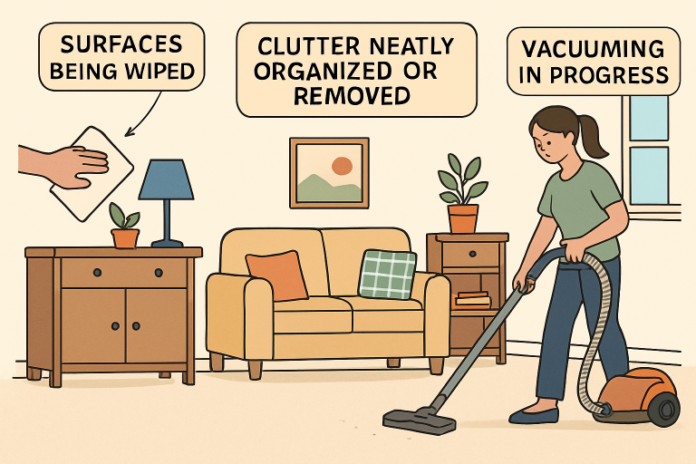
Effective pest prevention starts with discipline in daily cleaning and organization. Crumbs, spills, and cluttered corners can quickly become feasting grounds or hiding places for pests. Be diligent with these habits:
- Wipe kitchen surfaces after meals and clear away leftovers immediately.
- Vacuum and mop floors regularly, especially in areas where food is prepared or consumed.
- Declutter storage areas, basements, or attics by discarding unneeded items such as newspapers, cardboard boxes, and old fabrics.
- Store dry goods and pet food in sealed containers.
A streamlined, organized home reduces the “real estate” pests look for, making infestations far less likely from the start.
Seal Entry Points
Pests can squeeze through tiny spaces you may not even notice. Regularly inspect your home for entry points:
- Examine window and door seals, repairing or replacing any worn or damaged weather stripping.
- Close gaps around plumbing lines, air vents, and electrical conduits with caulk or foam.
- Cover vents and chimneys with fine mesh screens.
- Check and repair damaged roof shingles and eaves to block attic access.
These measures require little time but provide substantial defense against determined invaders, such as rodents, ants, and cockroaches.
Manage Waste Properly
Garbage, recycling, and compost bins can quickly attract pests if not managed carefully. Best practices include:
- Use garbage cans with tightly fitting lids both indoors and outdoors.
- Taking out the trash frequently and maintaining clean bin interiors.
- Rinse recyclables to remove leftover food residue.
- Place compost bins away from your home’s foundation and turn them regularly.
By ensuring all refuse is secure and odor-free, you cut off key attractants for pests scouting out their next meal.
Utilize Natural Repellents
Natural solutions can enhance your pest prevention efforts without relying on harsh chemicals. Popular and effective repellents include:
- Peppermint, citronella, and eucalyptus essential oils: These can be mixed with water and sprayed along common entry points.
- Herbs: Planting mint, rosemary, basil, and lavender along window sills, doorways, or in garden beds can naturally deter bugs.
- Vinegar and lemon: A simple mixture can be used to wipe down surfaces and discourage ants and other insects.
Nontoxic and safe for people and pets, these methods supplement regular cleaning and maintenance.
Maintain Outdoor Areas
The state of your yard greatly impacts your pest prevention efforts. Implement these strategies:
- Trim shrubs, trees, and grass regularly to minimize hiding spots for rodents and insects.
- Clear leaf piles, wood stacks, and garden debris promptly.
- Keep mulch and plants several inches away from exterior walls to discourage nesting.
- Ensure all outdoor drains are clear to prevent standing water, which attracts mosquitoes and other pests.
Regular Inspections and Maintenance
Staying ahead of pest problems is easier with routine inspections. Watch for:
- Telltale signs such as nests, droppings, or chewed materials.
- New cracks, gaps, or weathering around the home’s foundation and roofline.
- Moisture-prone areas, which attract pests such as termites or silverfish.
Addressing small issues promptly with home repairs and targeted cleaning can stop a minor nuisance from becoming a costly infestation.
Educate Household Members
Pest prevention is most effective when all residents are committed. Take time to share best practices, such as keeping doors closed, promptly wiping up spills, and recognizing the signs of infestation. A well-informed family or set of housemates multiplies the effect of all your pest control efforts.
When to Seek Professional Help
If you notice persistent pests despite your efforts, or face a situation with potentially dangerous species (such as wasps, termites, or rodents), don’t hesitate to bring in professionals. Experts have access to advanced tools and targeted treatments that are both safe and effective, providing you with peace of mind and a healthier home environment.
Consistent care, household cooperation, and periodic professional support turn your home into a fortress against pests—ensuring your comfort and well-being for years to come.
