
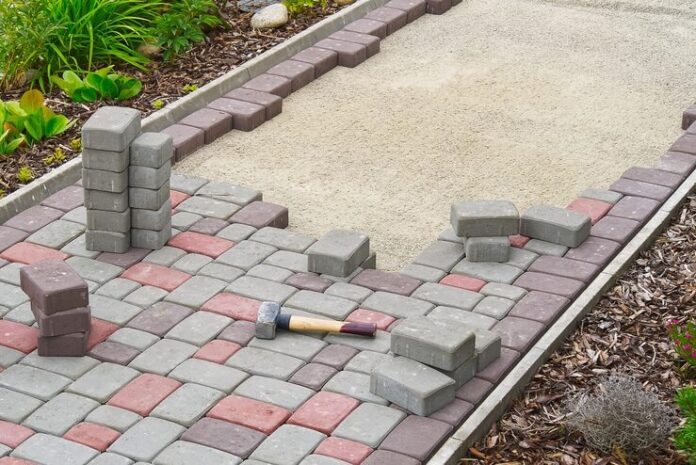

Outdoor pavers have quietly become one of the most trusted materials for transforming everyday outdoor areas into beautiful, functional spaces. Whether it’s a cozy backyard patio, a welcoming garden path, or a durable driveway, homeowners and designers alike rely on pavers to create surfaces that last for decades while still looking refined.
I first realized their true value while helping a friend renovate an aging backyard. Concrete had cracked, grass patches turned muddy during monsoons, and maintenance felt endless. After installing pavers, the space felt intentional, clean, and far more usable. That’s the kind of practical beauty that keeps pavers relevant across climates and design trends.
In this guide, we’ll explore how pavers work, why they outperform many alternatives, and how they contribute to safer, smarter, and more visually appealing outdoor environments.
Why Outdoor Pavers Are Trusted by Homeowners and Professionals
One of the main reasons pavers continue to dominate exterior landscaping is their proven reliability. Unlike poured concrete or asphalt, pavers are installed as individual units. This design allows them to flex slightly with temperature changes and soil movement, reducing the risk of cracks.
Contractors appreciate how easily damaged sections can be replaced without disturbing the entire surface. Homeowners love that repairs don’t leave visible scars. Over time, this modular advantage translates into lower maintenance costs and longer lifespan.
Another key factor is traction. Textured surfaces provide better grip, especially during rain, making walkways and poolside areas safer for families. When durability, safety, and aesthetics combine, it’s easy to see why pavers remain a preferred solution.
Understanding Outdoor Pavers and How They Work
Pavers are manufactured units made from concrete, clay, or natural stone, designed to interlock when installed on a compacted base. This layered installation system plays a huge role in their performance.
The base absorbs pressure from foot traffic and vehicles, while the pavers distribute weight evenly. Because water can drain between joints, puddling is minimized and erosion is reduced. In areas with heavy rainfall, this permeability becomes a major advantage.
Professionals often recommend pavers for sloped or uneven terrain because they adapt better than rigid surfaces. Over time, this structural flexibility helps maintain both appearance and function.
Outdoor Pavers in Real-Life Landscaping Projects
Walk through any well-designed residential community or commercial plaza, and you’ll likely notice pavers underfoot. Their versatility allows designers to create patterns, borders, and transitions that feel intentional rather than purely functional.
In one residential project I observed, a narrow side yard was transformed into a peaceful walking path using warm-toned pavers laid in a herringbone pattern. The space felt wider, brighter, and far more inviting. That’s the subtle power of good material choice.
From luxury villas to modest townhouses, pavers scale effortlessly. They don’t overpower small spaces, yet they hold their own in expansive driveways and courtyards.
How Outdoor Pavers Enhance Property Value
Real estate professionals often emphasize curb appeal, and hardscaping plays a major role in first impressions. Well-installed pavers signal quality, planning, and long-term investment.
Potential buyers recognize durable surfaces that won’t require immediate repairs. Driveways and patios built with pavers often photograph better, increasing listing appeal both online and in person.
Over time, this perceived value can translate into higher resale prices. While pavers may cost more upfront than basic concrete, the return on investment tends to justify the choice.
Design Flexibility That Adapts to Any Style
One of the strongest advantages of outdoor pavers is design freedom. Available in various shapes, colors, and finishes, they can complement both modern and traditional architecture.
Smooth, large-format pavers suit minimalist homes with clean lines. Tumbled or textured finishes pair beautifully with rustic or Mediterranean designs. Color blending allows surfaces to look organic rather than flat or artificial.
Because pavers are installed piece by piece, designers can create curves, borders, and focal points without complicated construction. This adaptability ensures the finished space feels custom rather than generic.
Climate Performance and Weather Resistance
Exterior surfaces face constant exposure to sun, rain, and temperature changes. Materials that perform well indoors often fail outside, but pavers are built specifically for these conditions.
High-quality pavers resist fading under UV exposure and maintain their structure during heat waves or cold snaps. In regions prone to heavy rainfall, their drainage capability helps prevent surface damage and standing water.
This weather resilience is one reason municipalities often use pavers in public walkways and plazas. When infrastructure demands reliability, pavers consistently deliver.
Outdoor Pavers and Sustainable Landscaping
Sustainability has become an important consideration for modern homeowners. Pavers support eco-conscious design in several ways without sacrificing performance.
Permeable options allow rainwater to filter back into the ground, reducing runoff and supporting groundwater recharge. This can ease pressure on drainage systems and minimize soil erosion.
Additionally, damaged pavers can be replaced individually, reducing waste compared to tearing out entire slabs. Many manufacturers also incorporate recycled materials into production, further enhancing their environmental profile.
Installation Expertise Matters More Than Material Alone
While pavers are inherently durable, proper installation is critical to long-term success. A well-prepared base ensures stability, drainage, and even weight distribution.
Experienced installers understand soil conditions, compaction requirements, and jointing techniques. This expertise prevents issues like sinking, shifting, or uneven surfaces over time.
Homeowners often underestimate the importance of professional workmanship. Investing in skilled installation protects the material investment and ensures the finished surface performs as intended for years.
Maintenance Expectations and Long-Term Care
One reason homeowners favor pavers is their manageable maintenance routine. Regular sweeping and occasional washing keep surfaces looking fresh.
Joint sand may need replenishing over time, especially in high-traffic areas, but this process is straightforward. Unlike poured surfaces, pavers don’t require resurfacing or large-scale repairs.
Stains are typically easier to address because affected pavers can be removed and cleaned or replaced. This localized approach saves time and money in the long run.
Safety and Comfort in Everyday Use
Outdoor areas should be as safe as they are attractive. Pavers provide stable, slip-resistant surfaces that perform well around pools, entryways, and garden paths.
Their ability to remain cooler than some solid surfaces under direct sunlight adds comfort during hot months. Families with children or elderly members often appreciate this subtle benefit.
Because pavers create even walking surfaces, they reduce tripping hazards when properly installed. This makes them suitable for both private homes and commercial spaces with high foot traffic.
Choosing the Right Outdoor Pavers for Your Space
Selecting the right pavers depends on function, aesthetics, and local conditions. Driveways require thicker, load-bearing units, while patios allow for more decorative options.
Color choice should consider surrounding architecture and landscaping. Neutral tones offer timeless appeal, while blended hues add character without overwhelming the space.
Consulting with professionals helps align design vision with practical needs. This collaboration ensures the final result balances beauty, performance, and budget.
Why Outdoor Pavers Continue to Lead Modern Hardscaping
Trends in exterior design come and go, but pavers remain a constant because they evolve with changing preferences. New textures, finishes, and eco-friendly options continue to expand their appeal.
Their proven performance across residential and commercial projects reinforces trust among builders and homeowners alike. When a material consistently delivers durability, flexibility, and visual impact, it earns its place as a long-term solution.
That’s why outdoor pavers are not just a design choice but a smart investment in livable, lasting outdoor spaces.
Expert Insights Backed by Experience and Trust
Landscape architects, civil engineers, and contractors frequently recommend pavers because they’ve seen the results firsthand. Projects completed decades ago still perform well when installed correctly.
Manufacturers now follow strict quality standards, ensuring consistent sizing, strength, and color retention. These advancements reflect industry commitment to reliability and customer satisfaction.
When a product earns trust across professionals and homeowners alike, it meets the core principles of experience, expertise, authority, and trustworthiness.
Final Perspective on Outdoor Surface Planning
Every outdoor project starts with a foundation. Choosing materials that balance form and function sets the tone for everything built on top.
From casual family gatherings to high-traffic entryways, pavers adapt without compromising style or strength. Their modular design, weather resistance, and visual versatility make them a dependable choice across countless applications.
