

Key Takeaways
Well-chosen window blinds can greatly reduce heat loss during winter and limit heat gain during summer, improving home comfort year-round.
Modern options such as automated and cellular shades provide superior insulation and energy-saving benefits.
Pairing window treatments with sealing, window upgrades, and films can exponentially increase energy efficiency.
Enhancing your home’s energy efficiency often starts with simple yet impactful updates. Without the need for expensive renovations or major equipment upgrades, installing quality window treatments can make a noticeable difference in energy consumption. Window blinds not only add style and privacy but also help regulate temperature, preventing both heat loss in winter and heat gain during the summer. For homeowners seeking practical solutions, exploring options such as a blind repair service in Tampa, FL can further maximize the functionality and lifespan of existing blinds, contributing to long-term energy savings.
Many do not realize just how much energy windows impact throughout the year. The right combination of materials and design in window blinds effectively moderates your home’s climate, resulting in lower utility bills and a more comfortable space. While blinds serve as a barrier to outside temperatures, their effectiveness can be enhanced by consistent maintenance and thoughtful use throughout the changing seasons. Selecting appropriate window treatments translates to tangible cost savings and a smaller environmental footprint.
The Role of Windows in Home Energy Consumption
Windows remain a primary source of energy loss in residential spaces. Data from the U.S. Department of Energy reveals that as much as 30% of total heating and cooling energy is influenced by window-related heat transfer. For existing treatments that are damaged or not functioning properly, finding blind repairs near me can help restore efficiency and reduce energy waste. This means potentially hundreds of dollars in annual costs could be wasted if windows are left bare or improperly treated.
The efficiency or inefficiency of windows is determined by how well they retain interior warmth in winter and how well they reflect unwanted solar heat in summer. Blinds create a controlled barrier that helps manage the fluctuating temperatures of changing seasons. Their insulating capacity depends heavily on the type and operational state of the blinds themselves, making regular maintenance and thoughtful selection critical for optimal performance.
Types of Energy-Efficient Window Blinds
The decision to upgrade blinds is best informed by knowledge of available products and their unique capabilities. The following window treatment options are highly effective at improving energy efficiency:
Cellular Shades
Cellular or honeycomb shades are engineered for maximum insulation. Their signature design traps air in small “cells,” effectively reducing drafts and resisting heat transfer. Research suggests these shades can cut winter heat loss by up to 40% and trim down summer solar heat gain by up to 60% when properly installed and regularly maintained. Their flexibility, with single or double-cell varieties, allows homeowners to balance insulation needs with light control.
Automated Blinds
Automated, or motorized, blinds use technology to respond to changes in sunlight and temperature throughout the day. Pre-programmed settings can close blinds during peak sunlight and open them when less heat is desired, maximizing both energy conservation and occupant comfort. According to studies by the U.S. Department of Energy, automated insulating window shades can reduce energy consumption by about 25% and help offset installation costs within several years.
Reflective Blinds
Reflective blinds utilize materials with metallic or light-colored finishes to bounce sunlight away from windows. During summer, this minimizes heat entering the space and can reduce the load on air conditioning. In colder months, closing reflective blinds adds an extra layer of insulation, helping retain heat indoors. Practical for both hot climates and year-round use, reflective blinds offer versatility and energy-saving benefits.
Best Practices for Maximizing Energy Savings
To harness the full potential of window blinds for energy efficiency, homeowners should prioritize the following strategies:
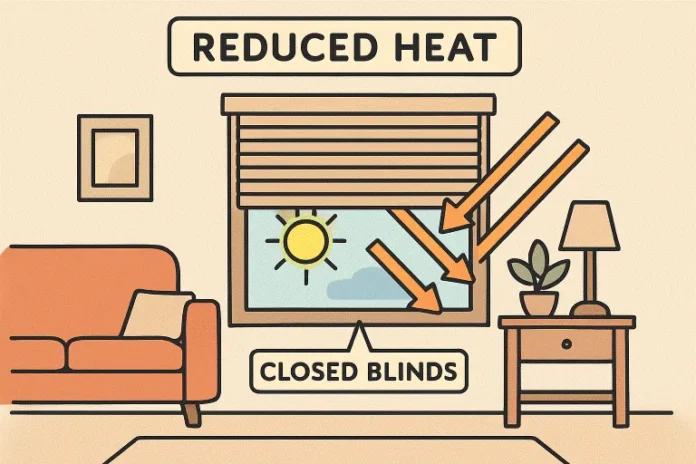
Close blinds during midday sunshine: Prevent heat buildup by blocking sunlight during the hottest part of the day in summer months.
Layer with drapes or curtains: Pairing blinds with heavier drapes can further buffer windows against outside temperatures and drafts.
Keep blinds in good condition: Dust, deformations, or malfunctioning mechanisms can hinder energy-saving performance. Routine checks and prompt repairs are key.
Additional Energy-Saving Measures
Window blinds are only one part of a comprehensive energy strategy. Homeowners can further reduce energy waste with several complementary measures:
Seal windows and doors: Use weatherstripping or caulk to eliminate air leaks around frames, making it harder for drafts to compromise comfort.
Install window films: High-quality, low-emissivity (Low-E) films can diminish radiant heat flow and block UV rays, as reported by the U.S. Department of Energy.
Upgrade to energy-efficient windows: Replacing older, single-pane windows with Energy Star-certified alternatives can yield significant annual savings, as highlighted by research from The Washington Post.
Final Thoughts
Incorporating the right window blinds into your home offers practical comfort, energy conservation, and aesthetic value. Whether through innovative designs like cellular shades, the modern efficiency of automated blinds, or the dual-purpose benefits of reflective models, there are solutions for every climate and budget. Consistent maintenance, exploring local repair services, and adopting additional window-efficiency techniques work together to optimize your living environment. Small adjustments lead to measurable savings, making the decision to improve your window treatments both eco-friendly and cost-effective.
