

Key Takeaways
· A lower list price does not always mean a lower overall cost of homeownership.
· The right Springfield neighborhood depends on budget, routines, property preferences, and long-term plans.
· Comparing each area with the same checklist helps buyers move beyond first impressions.
· Public records, local planning information, property condition, and repeat visits can reveal important details.
· A simple scoring system can make a difficult decision more manageable.
Buying a home in Springfield, Illinois involves more than choosing a floor plan or finding the right number of bedrooms. The neighborhood shapes everyday routines, from the drive to work and access to errands to parking, outdoor space, road conditions, and the amount of maintenance a property may require over time. For a grounded local perspective, the Springfield,IL, real estate agents Melissa Dowson Vorreyer Team provides home-search tools, neighborhood information, buyer resources, and property listings for the Springfield area. Melissa Dowson Vorreyer Team works with residential, commercial, new construction, land, luxury, relocation, and development opportunities, providing buyers with useful local context when comparing different property types and parts of Springfield.
Why the Neighborhood Matters as Much as the House
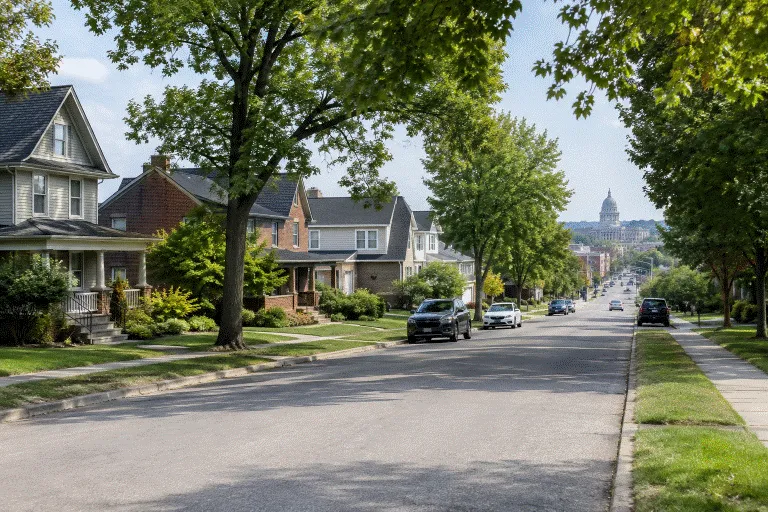
A beautifully updated kitchen can be appealing, but it cannot change a difficult commute, limited driveway access, recurring street noise, or an inconvenient location for everyday errands. Neighborhood conditions also influence how a home feels after closing, when the excitement of a showing has passed, and daily life begins. Springfield includes established streets with mature trees and older homes, newer subdivisions, properties near commercial corridors, and homes on the edges of town, where lot sizes and travel times may differ. None of these settings is automatically better. The best fit is the one that supports the buyer’s own priorities.
Start With a Personal Housing Scorecard
Before touring multiple areas, create a scorecard that separates needs from preferences. Assign each category a one-to-five importance rating, then use the same categories for every neighborhood and property.
· Monthly housing cost: Include a payment range that leaves room for savings and routine expenses.
· Commute and access: Identify workplaces, medical appointments, schools, family, and frequently used roads.
· Property features: Decide whether a garage, basement, yard, first-floor bedroom, or home office is essential.
· Daily convenience: Consider groceries, pharmacies, recreation, dining, and other regular stops.
· Future fit: Think about how well the home could serve the household during the next several years.
Compare the Full Cost of Living
The purchase price is only the starting point. Compare estimated mortgage principal and interest, property taxes, homeowners insurance, utilities, association fees where applicable, and a maintenance allowance. Ask for utility information when available, and review disclosures and inspection findings carefully before finalizing a budget. For example, a lower-priced home farther from a workplace may still cost more each month if it increases fuel use, vehicle wear, parking costs, or substantial travel time. An older home may offer character and established landscaping, while also requiring more attention to roofs, windows, mechanical systems, and drainage, as well as deferred repairs. The goal is not to avoid older homes, but to budget for the home being purchased.
Test the Commute and Daily Routes
Distance alone does not explain how a route will feel on a typical weekday. Drive to the property at a realistic morning departure time and return in the afternoon or evening. Notice school traffic, railroad crossings, construction, difficult turns, and alternate routes. Also create a weekly route that includes a grocery store, pharmacy, workplace, park, medical office, and any other place the household visits regularly. Springfield’s public works department oversees streets, sidewalks, sewers, traffic-related infrastructure, and road projects, so buyers can check official updates when access and travel patterns are especially important to their decision.
Study Housing Stock and Property Condition
Look beyond the featured listing photos. Compare the general age, style, lot layout, driveway arrangement, garage access, sidewalks, street parking, and visible upkeep of nearby homes. A property inspection is essential, but an early walk-through or drive-through of the area can help identify questions to raise during the inspection period. Pay particular attention to signs of water management issues, such as grading toward the home, standing water, unusually damp areas, aging gutters, or basement concerns. Buyers should also ask how additions, sheds, fences, or landscaping changes may affect drainage and usable outdoor space.
Review Public Records, Schools, and Local Plans
When school information is relevant, confirm the assignment details for the specific property with the appropriate district. Do not rely only on a neighborhood name or a listing description. Buyers should also review property-tax records, zoning, permits, nearby development proposals, and public meeting notices. Flood risk deserves its own review. Sangamon County explains that buyers can use the floodplain layer in its GIS tax parcel viewer and floodplain information to help determine whether a property is located in a mapped floodplain. This check should complement, not replace, questions about drainage, insurance, disclosures, and professional inspections.
Visit More Than Once
A single showing is a snapshot. Return at different times and on different days whenever possible. During each visit, look for patterns rather than making assumptions based on one moment.
1. Visit once in daylight to assess the exterior, lot, and surrounding streets.
2. Return in the evening to observe lighting, traffic, and parking.
3. Drive through on both a weekday and a weekend.
4. Walk nearby when practical, listening for traffic, trains, businesses, and other recurring sounds.
5. Notice sidewalks, drainage areas, curb appeal, and the condition of shared public spaces.
Create a Simple Neighborhood Comparison
Instead of relying on memory, compare three to five potential areas using the same one-to-five scale. Add a brief note beside every score so the rating has clear meaning later.
· Neighborhood A: Record typical price range, commute score, home condition, nearby services, outdoor space, and future fit.
· Neighborhood B: Use the identical categories, then note tradeoffs such as a shorter drive but a smaller lot.
· Neighborhood C: Include the same information, along with any questions that still need answers.
Common Buyer Questions
How many neighborhoods should a buyer compare?
Three to five areas usually provide useful contrast without making the search overly complicated. Narrow the list as priorities become clearer.
Should the cheapest neighborhood always win?
No. Taxes, insurance, repairs, transportation, or future renovation needs can offset a lower price.
What if two areas score similarly?
Return to the highest-ranked priorities. Choose the location that better supports the household’s routine, budget flexibility, and expected plans.
Final Checklist Before Making an Offer
· Confirm the full estimated monthly cost.
· Drive key routes at realistic times.
· Verify school assignment when applicable.
· Review taxes, insurance needs, zoning, and floodplain information.
· Visit the area more than once.
· Review nearby plans and infrastructure activity.
· Compare the home with similar recent properties and schedule a thorough inspection.
Carefully comparing Springfield neighborhoods can turn a broad home search into a confident decision. When buyers evaluate cost, convenience, condition, public information, and long-term fit together, they are better prepared to choose a home that works well beyond closing day.
Conclusion
Choosing the right neighborhood in Springfield, Illinois involves more than finding an affordable home with the features you want. Buyers should consider the complete cost of ownership, commute times, nearby services, property conditions, and how each area supports their everyday routines and plans. Visiting neighborhoods more than once and reviewing public records, local development plans, and inspection findings can help uncover important details before making an offer. Working with local real estate professionals like the Melissa Dowson Vorreyer Team can also provide valuable insight when comparing properties and communities across Springfield. By using a consistent evaluation process and looking beyond first impressions, buyers can make informed decisions and find a home that offers lasting comfort, convenience, and value.
