

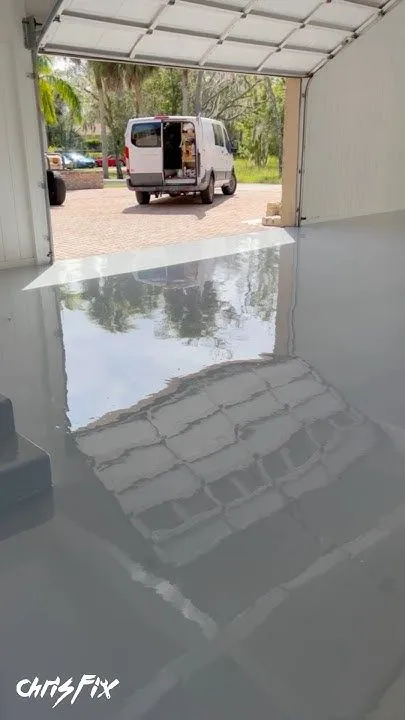
A garage floor does not have to remain an unfinished grey surface. As garages become more closely connected to everyday household activities, homeowners increasingly consider how their appearance fits with the rest of the property. An epoxy garage floor can introduce colour, texture and a more consistent finish, but selecting the right design involves practical decisions as well. Natural light, wall finishes, vehicle use and cleaning habits can influence the result. Understanding the differences between decorative options helps create a garage that feels intentionally designed rather than simply painted.
Consider the Garage’s Existing Features
Before choosing a flooring colour, examine the walls, ceiling, doors and storage cabinets. These features influence how the finished surface will appear.
A garage with pale walls may suit a darker contrasting floor, while a smaller space with limited daylight could benefit from lighter colours. Viewing samples in the actual room helps establish whether a particular finish complements the surroundings.
Understand Decorative Flake Finishes
Flake systems incorporate coloured decorative chips into a resin base, followed by a compatible protective coating. The result can create subtle patterns and visual variation across the surface.
Grey, white and black combinations are common, but other blends can introduce warmer or more colourful effects. Decorative flakes may make minor dirt less noticeable between cleanings, although the surface still requires maintenance.
Explore Solid-Colour Alternatives
Some homeowners prefer a consistent appearance without decorative chips. Solid-colour resin systems can create a restrained finish that complements modern garage cabinets and storage arrangements.
A uniform surface may also reveal dust, scratches or imperfections more readily, depending on its colour and gloss. Choosing the finish requires consideration of everyday use rather than relying exclusively on showroom photographs.
Understand Metallic and Self-Smoothing Systems
Metallic coatings use specially formulated pigments to create flowing patterns and visual depth. They can produce distinctive appearances, although application conditions influence the final design.
Self-smoothing systems offer another option for suitable concrete floors. A professionally installed resin flooring system should be selected according to substrate condition, intended activity and product specifications. Not every decorative finish provides identical traction or resistance to wear.
Choose Colours for Everyday Conditions
Garage floors experience dust, road grit, water and vehicle movement. Very dark finishes may show pale dust clearly, while extremely light colours can make certain marks more noticeable.
Consider how frequently the space is cleaned and whether vehicles are parked inside every day. A balanced colour scheme often makes maintenance easier than choosing a finish solely for its dramatic appearance.
Think About Lighting and Reflections
Lighting can change the appearance of decorative resin surfaces. A glossy coating may reflect ceiling fixtures or sunlight entering through the garage door.
Before approving a finish, consider:
-
How much natural light enters the garage.
-
Whether overhead lights create noticeable glare.
-
The colours of existing cabinets and walls.
-
How frequently vehicles and equipment are moved.
-
Whether additional surface texture is desirable.
These details help homeowners choose a finish that remains attractive under normal working conditions.
Evaluate Traction Alongside Appearance
A highly polished-looking surface may be appealing, but garages frequently become wet when vehicles bring rainwater indoors. Appropriate traction should therefore influence material selection.
Certain decorative flake systems and compatible additives can introduce texture. The installer should explain available options and their maintenance requirements. No surface eliminates every slipping hazard, making prompt water removal important.
Understand Why Preparation Matters
A decorative coating requires a suitable concrete base. Existing paint, contamination and loose material can interfere with adhesion if they are not removed.
Professional installation may involve diamond grinding, crack treatment and careful cleaning before applying resin. The preparation method should follow the selected product’s requirements and the condition of the slab.
Consider Installation Timing and Maintenance
Homeowners should arrange alternative parking while the garage floor is being installed. Surface preparation, coating application and curing may restrict access temporarily.
Ask when pedestrians and vehicles can return. Once the floor is ready, sweep loose grit regularly and clean spills using compatible products. Avoid dragging sharp equipment across decorative finishes.
Conclusion
Choosing a garage floor finish involves balancing appearance with practical performance. Decorative flakes, solid colours, metallic patterns and self-smoothing coatings create different visual results, but the correct choice depends on lighting, traffic, maintenance and concrete condition. Homeowners should examine samples, discuss preparation and understand the selected system’s limitations before installation. For residents considering professional garage flooring improvements across Southampton and South East England, garageupgrade.co.uk provides information about decorative resin options. Thoughtful selection can create a garage that complements the property while remaining suitable for regular household activities.
