

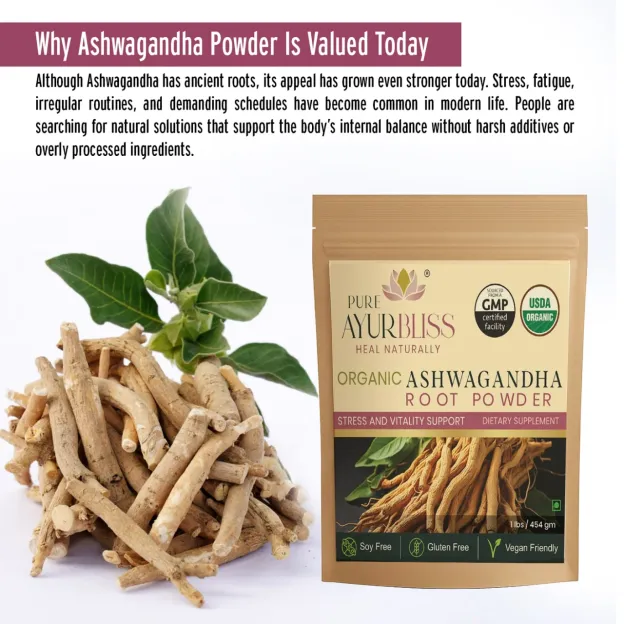
Modern lifestyles often leave people balancing demanding schedules, irregular routines and limited time for self-care. As a result, many are exploring traditional wellness practices that can complement healthier daily habits. Herbal ingredients have gained attention in this space, particularly those with a long history of use in Ayurveda.
Among these ingredients, ashwagandha root powder has attracted interest from people looking to understand traditional approaches to everyday wellbeing. Derived from the root of Withania somnifera, ashwagandha has been used in Ayurvedic practices for generations. Today, interest in this herb reflects a broader effort to combine traditional knowledge with informed, responsible wellness choices.
Understanding Ashwagandha and Its Traditional Uses
Ashwagandha is a plant native to parts of India, the Middle East and Africa. In Ayurveda, its root has traditionally been used in preparations associated with vitality, resilience and general wellbeing. The plant contains naturally occurring compounds called withanolides, which are among the constituents studied by researchers.
Although its traditional use is well established, scientific evidence varies depending on the intended benefit, preparation and quality of the research. Some studies have investigated ashwagandha in relation to stress and sleep, but further research is needed to establish its effectiveness for different people and circumstances.
Understanding this distinction helps consumers make informed decisions. Traditional use can provide valuable context, but it does not guarantee that a product will deliver the same results for everyone.
Why Product Quality Matters
Herbal products can differ considerably in their sourcing, processing and composition. The quality of the raw material, manufacturing standards and storage conditions may all influence the final product.
When considering an ashwagandha supplement, it is useful to look for clear ingredient information, transparent labelling and appropriate quality testing. Products should identify the plant ingredient and its form, while extracts should provide relevant details about standardisation where applicable.
Consumers should also avoid assuming that a higher concentration automatically means a better product. The appropriate preparation depends on the product’s formulation, intended use and individual circumstances.
Responsible selection begins with understanding what a product contains rather than relying exclusively on marketing claims.
Powder or Capsules: Which Form Should You Consider?
Ashwagandha is available in different forms, including traditional powders and formulated capsules. Each format offers practical considerations that may influence an individual’s choice.
Powder can appeal to people who prefer traditional herbal preparations and want flexibility in how they incorporate ingredients into their routines. Capsules, meanwhile, offer convenience for those who prefer a pre-measured format without preparing a mixture.
The choice should take account of personal preferences, product instructions and ease of consistent use. It is important not to assume that powder and capsules are interchangeable gram for gram, particularly when a capsule contains a concentrated extract rather than plain root powder.
Before choosing either format, review the label carefully. The amount of root material, extract concentration and recommended serving can differ between products, making direct comparisons difficult without checking the details.
Building a Wellness Routine Around Sustainable Habits
Herbal supplements are best considered within the wider context of everyday health rather than as substitutes for foundational habits. Sleep, balanced nutrition, regular physical activity and effective stress-management practices all contribute to general wellbeing.
A sustainable routine might include maintaining consistent sleep and waking times, eating varied meals, spending time outdoors and taking regular breaks from work. Simple activities such as walking, breathing exercises or gentle stretching may also help create a more manageable daily rhythm.
People interested in traditional herbal wellness can evaluate whether a product fits their needs while keeping these fundamentals in place. They should also track how they feel and seek professional guidance if they have concerns about persistent stress, poor sleep or other symptoms.
Supplements should not be expected to compensate for ongoing sleep deprivation, an unbalanced diet or untreated health conditions.
Understanding Safety Before Use
Natural ingredients are not automatically suitable for everyone. Ashwagandha may cause side effects, including digestive discomfort and drowsiness, and rare cases of liver injury have been reported. It may also interact with certain medicines.
People who are pregnant or breastfeeding should avoid ashwagandha. Those with thyroid or autoimmune conditions, liver problems, or those preparing for surgery should consult a qualified healthcare professional before considering its use. Anyone taking medication, particularly medicines that affect thyroid function, blood pressure, blood sugar, immunity or sedation, should seek advice about possible interactions.
Dosage should follow the product’s instructions and professional guidance where appropriate. Taking larger amounts does not necessarily improve results and may increase the risk of unwanted effects.
If unusual symptoms develop after starting a supplement, stop taking it and seek medical advice. Severe or concerning symptoms require prompt medical attention.
What to Check When Comparing Herbal Products
Comparing products carefully can help consumers avoid choices based solely on price or promotional promises. Consider the following factors before purchasing:
● Ingredient transparency: Check whether the product contains plain root powder or a concentrated extract.
● Manufacturing standards: Look for credible quality-control information and appropriate testing.
● Clear instructions: Ensure the label explains the serving size, usage directions and relevant precautions.
● Realistic claims: Be cautious of products promising guaranteed results or claiming to treat or cure medical conditions.
● Storage and shelf life: Follow the packaging instructions to maintain product quality.
These checks are useful when comparing organic ashwagandha powder with other available formulations. Organic certification may provide information about how an ingredient was produced, but it does not by itself establish effectiveness, safety or superior nutritional value.
Likewise, people researching ashwagandha capsule benefits should distinguish between findings from studies on particular extracts and claims made about every capsule on the market. Research outcomes depend on the formulation studied, the participants and the duration of use.
Making an Informed Choice for Long-Term Wellbeing
Traditional herbal ingredients continue to attract attention because they offer an opportunity to explore established wellness practices alongside modern lifestyles. However, the most useful approach combines curiosity with realistic expectations and attention to individual needs.
Learning about sourcing, formulation, safety and available research helps consumers evaluate products more confidently. It also encourages a more balanced understanding of wellness, where supplements are considered alongside nutrition, movement, sleep and professional healthcare when needed.
Pure Ayurbliss supports consumers exploring traditional herbal products as part of their broader wellness journey. By prioritising ingredient transparency, responsible product selection and informed choices, individuals can approach herbal wellness with greater confidence and make decisions that align with their personal routines.
