

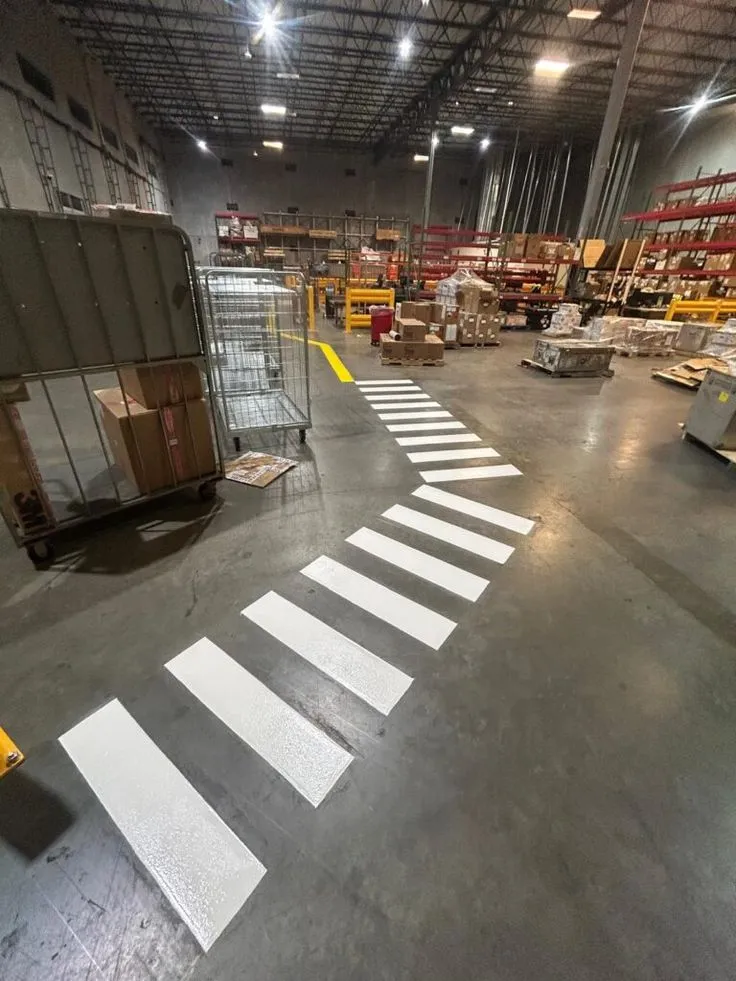
Reverse logistics has become an important part of many warehouse operations. Products returning from customers, retailers, or distribution partners often enter the building through dedicated inspection and processing areas before they can be restocked, repaired, recycled, or discarded. Unlike ordinary storage aisles, these zones combine unpredictable products, damaged packaging, carts, pallets, liquids, and frequent handling within a limited area. Flooring should therefore be planned around the uncertainty of returns processing rather than treated as another standard warehouse section.
Returned Goods Create Variable Exposure
Normal inventory usually arrives packaged according to established shipping procedures. Returns can be much less predictable.
Boxes may be torn, bottles can leak, containers may arrive damaged, and products may carry dirt or moisture from outside. This creates flooring exposure that differs from controlled storage areas.
Managers should identify the types of products most commonly returned and whether any contain oils, liquids, cleaning products, or other materials that could reach the floor during inspection.
Inspection Stations Concentrate Traffic
Returns are often moved through several steps before a final decision is made. Pallets may be unloaded, products opened, sorted, inspected, repacked, and temporarily staged.
Employees, pallet jacks, carts, and forklifts repeatedly move through these same stations. Turning and stopping create concentrated wear that may not occur in long storage aisles.
Facilities planning to Buy Warehouse Resin Flooring In Nj should therefore map returns-processing routes separately from general warehouse traffic when evaluating the floor.
Damaged Packaging Increases Debris
Broken pallets, cardboard, plastic packaging, fasteners, glass fragments, and other debris can appear more frequently in returns areas.
Hard particles left beneath cart or forklift wheels can increase abrasion. Small debris can also collect in cracks, damaged joints, or worn concrete, making routine housekeeping harder.
A continuous resinous surface can make sweeping and mechanical cleaning more straightforward, but good housekeeping practices remain essential for reducing unnecessary wear.
Quarantine Areas Need Clear Boundaries
Some returned goods cannot immediately re-enter normal inventory. Products may need inspection, quality review, repackaging, or disposal before their status is determined.
Clearly marked quarantine or hold zones can help employees separate uncertain stock from approved inventory. Floor markings can support this workflow when boundaries are easy to understand and correspond with actual operating procedures.
A resurfacing project provides a useful opportunity to review whether existing lines and staging areas still match the returns process.
Liquids Require Fast Cleanup
A leaking returned package can create a very different floor condition from a dry cardboard box. Oils, beverages, detergents, or other products may occasionally reach the surface.
An Independent Epoxy Flooring Contractor In Usa should be told what kinds of spills are realistically possible in the returns area. This helps determine whether chemical resistance or additional protective layers should influence the flooring specification.
Even with a suitable resinous system, spills should still be contained and cleaned promptly according to facility procedures.
Joint Damage Can Disrupt Small Wheels
Returns departments often use hand carts, dollies, pallet jacks, and rolling inspection equipment in addition to forklifts. Smaller wheels can react more noticeably to chipped joints or rough patches.
A damaged transition that seems minor under pedestrian traffic may cause repeated impact for loaded carts. Joint edges, thresholds, and old repairs should therefore be inspected before resurfacing begins.
Correcting these defects can create smoother material movement through inspection and repacking areas.
Flexible Layouts Need Adaptable Markings
Returns volumes can change seasonally, particularly after major sales periods or product launches. Temporary staging areas may expand and contract depending on workload.
Floor zoning should therefore provide enough structure to organize traffic without making the layout unnecessarily rigid. Managers can use permanent markings for essential vehicle and pedestrian routes while keeping temporary storage procedures flexible.
The visual system should simplify movement rather than create more markings than employees can realistically follow.
Maintenance Should Track Returns Activity
Floor inspections can follow seasonal workload. High-volume return periods may place greater stress on staging areas, turning points, and inspection stations.
Managers should look for scratches, damaged joints, coating wear, and spill-prone locations after these busy cycles. Photographing recurring defects can show whether one zone is experiencing substantially more stress than expected.
This information can guide targeted repairs or future workflow changes.
Conclusion
Returns-processing zones create flooring demands that are less predictable than ordinary storage areas. Damaged packaging, variable products, concentrated cart traffic, spills, debris, quarantine zones, and seasonal workload changes all influence how the surface is used.
A stronger flooring plan starts by understanding the reverse-logistics process from unloading through final disposition. Suitable resin systems, sound concrete repairs, clear zoning, smooth transitions, effective housekeeping, and focused inspections can create a more manageable returns area while helping protect the floor from the unusual stresses that accompany unpredictable inbound goods.
