

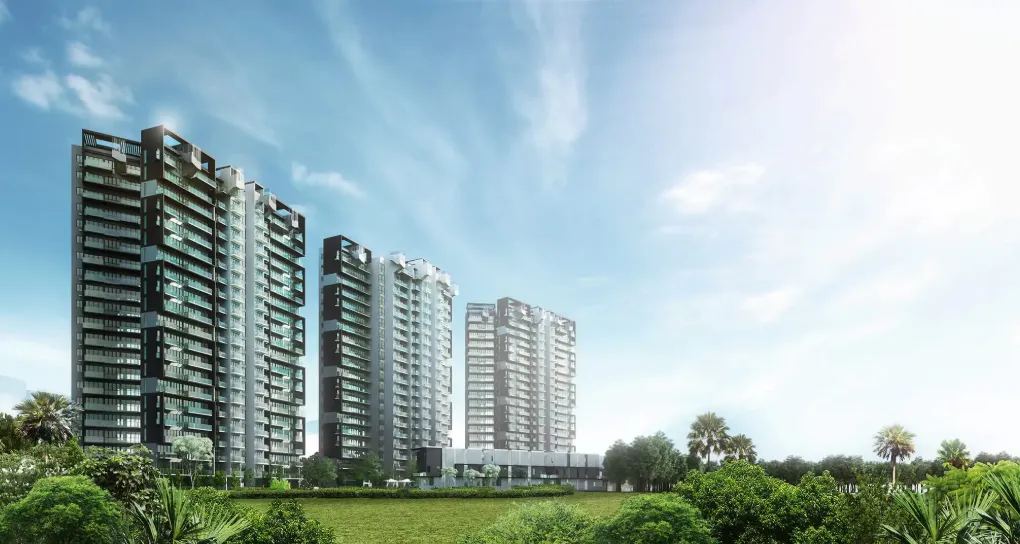
Making the leap from a Housing & Development Board (HDB) flat to a private condominium represents a major milestone for many Singaporean homeowners. This transition promises upgraded facilities, better security, and a different lifestyle altogether. However, moving from public housing to a private estate like Thomson Reserve requires more than just financial preparation. It demands a shift in mindset regarding community rules, maintenance fees, and space utilization. Understanding these operational differences beforehand ensures a seamless moving process. Preparing yourself for this change helps you embrace your new lifestyle without unnecessary stress. Let us look at the practical steps you can take to make this major transition as smooth and worry-free as possible.
Understanding Financial Obligations Beyond the Purchase Price
Owning an HDB flat involves predictable monthly costs, such as town council service and conservancy charges, which are generally subsidized and modest. When you transition to a private condominium, your financial responsibilities change significantly. Condo owners must pay monthly maintenance fees to the Management Corporation Strata Title (MCST). These fees depend on your share value, which is determined by the size of your unit.
Factoring in MCST Fees
These monthly charges fund the upkeep of shared facilities like swimming pools, gyms, and 24-hour security systems. For premium developments, such as those near Lentor Garden, maintenance fees can range from three hundred to over six hundred dollars per month. Additionally, a portion of this money goes into a sinking fund reserved for major future works, such as painting the entire estate or replacing lift systems.
Planning Your Monthly Cash Flow
Before signing the sale and purchase agreement, ask your agent for the estimated maintenance fee of the specific unit. You must integrate this recurring cost into your monthly household budget alongside your mortgage payment. Ignoring these fees can strain your finances, especially during the first few months of your transition. Proper financial forecasting ensures you enjoy your new home without experiencing immediate buyer’s remorse.
Adapting to Strata Title Rules and Regulations
Living in an HDB estate offers a high degree of flexibility regarding how you use common corridors and renovate your home. Private condominiums operate under strict by-laws managed by the MCST to preserve the estate’s aesthetic appeal and property value. When moving into a development like Thomson Reserve, you must familiarize yourself with these specific house rules to avoid fines or disputes.
Renovation Restrictions
Unlike HDB flats where you primarily need HDB permits, condo renovations require approval from the building’s management office. You must submit detailed floor plans, pay a refundable renovation deposit, and adhere to strict working hours. Management offices often restrict changes to the unit’s exterior, including balcony screens, window grilles, and front doors, to maintain a uniform look across the towers.
Usage of Common Facilities
Common facilities operate under strict booking systems and guest limits. You cannot simply host a massive gathering at the barbecue pit without booking it weeks in advance and placing a deposit. Understanding these boundaries prevents friction with your neighbors and the management team. Respecting these rules guarantees that everyone enjoys a peaceful, high-quality living environment, which is the main reason people choose private housing in the first place.
Maximizing and Organizing Your New Living Space
Many older HDB flats boast generous square footage and rectangular, highly functional layouts. Modern condominiums, while highly efficient, might feature different layouts with balconies, bay windows, or air-conditioner ledges that take up usable indoor space. If you are moving from an older flat to a modern unit near Lentor Garden, you must plan your furniture layout carefully to avoid clutter.
Smart Decluttering Strategies
Take a hard look at your current belongings before packing your first box. Downsizing your furniture is often necessary when transitioning to a condo. Heavy, bulky wooden furniture that fit easily in an HDB living room might overwhelm a cozy condo space. Consider selling or donating items that do not fit the scale of your new home.
Investing in Multi-Functional Furniture
To optimize your space, invest in multi-functional furniture like storage beds, extendable dining tables, and wall-mounted shelving units. Utilize vertical space effectively, especially if your unit has high ceilings. By measuring your new home accurately before purchasing new furniture, you ensure a spacious and modern aesthetic. This thoughtful approach to interior design helps you create a comfortable sanctuary that maximizes every square inch of your private property.
Embracing the Lifestyle and Community Dynamics
The social dynamic of a private condominium differs greatly from the open community feel of an HDB heartland. While HDB estates encourage casual interactions at void decks and local coffee shops, condominiums offer a more private, secluded environment. Securing a unit at Thomson Reserve means trading the bustling public spaces for quiet, exclusive amenities shared only with a limited number of residents.
Building Private Social Circles
This shift toward privacy does not mean you cannot build a strong community. Many condominiums have active resident groups on messaging platforms or hold annual gatherings for festive occasions. Participating in these community efforts helps you build friendly relationships with your neighbors while maintaining your personal privacy.
Utilizing On-Site Amenities
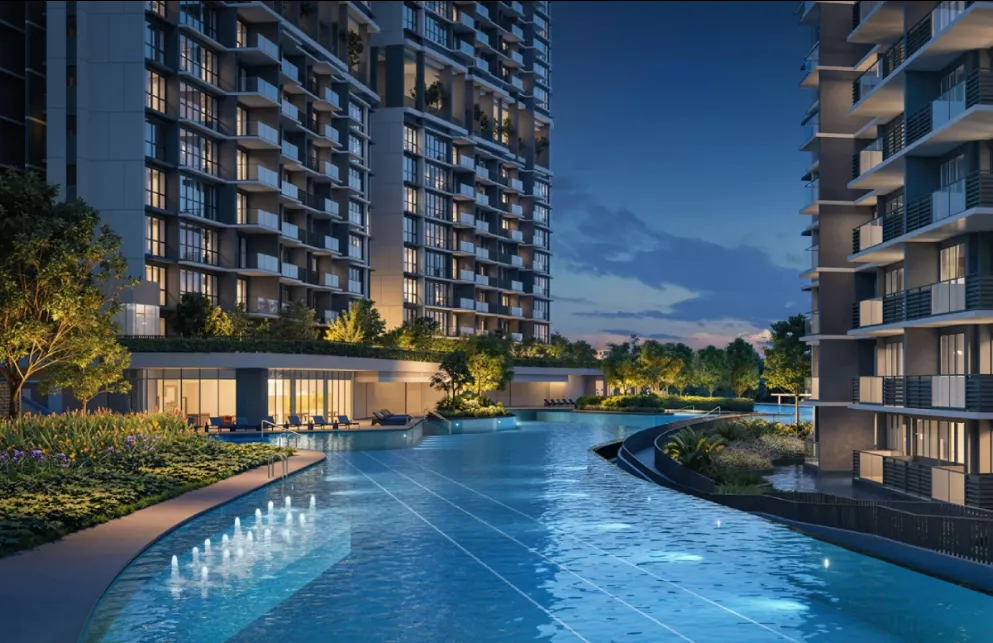
To get the most value out of your investment, actively use the gym, swimming pool, and study pods. Incorporating these facilities into your daily routine helps justify the monthly maintenance fees you pay. Instead of paying for external gym memberships or traveling to public pools, you can enjoy these luxuries just a short elevator ride away. This lifestyle upgrade is one of the most rewarding aspects of making the transition to private residential living.
Conclusion
Transitioning from an HDB flat to a private condominium is an exciting milestone that elevates your standard of living. While the process involves adjusting to new financial commitments, stricter rules, and different space configurations, the benefits of privacy and exclusive facilities are well worth the effort. Whether you choose an established estate or a fresh development near Lentor Garden, preparation remains the key to a successful move. By understanding the administrative rules and planning your budget ahead of time, you can avoid common pitfalls. Embrace the lifestyle changes with an open mind, and you will quickly settle into your new, comfortable private sanctuary.
