

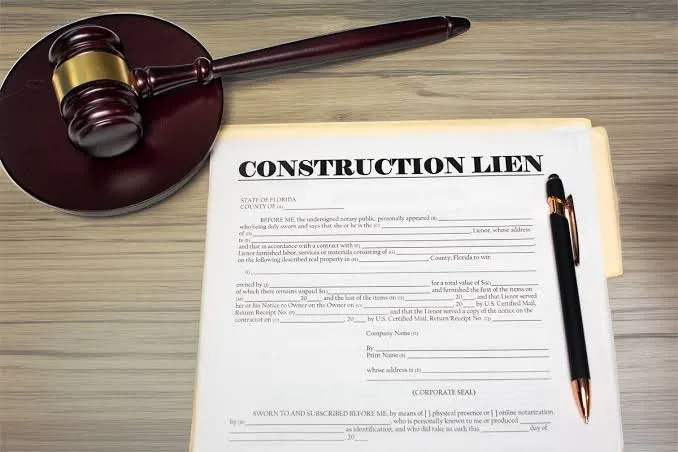
A mechanics lien is a powerful tool. It lets contractors, subcontractors and suppliers place a legal claim on a property if they don’t get paid.
If a project owner fails to pay, you can file a mechanics lien. This creates a legal claim against the property. The owner cannot sell the property without paying your lien.
But mechanics lien laws vary dramatically by state. What works in California differs from Texas. What works in Texas differs from Florida.
Understanding your state’s rules is critical. File incorrectly and you lose your rights.
What Is a Mechanics Lien?
A mechanics lien is a statutory right to claim a property interest. You earn this right by providing labor or materials to improve a property.
The lien secures your right to payment. It creates a claim against the property itself. Not just against the person who hired you.
This matters. If a contractor goes bankrupt, you might not get paid by them. But your lien still exists against the property. You can force a sale and collect from the proceeds.
Who can file a mechanics lien? Generally anyone who provides labor or materials. This includes:
General contractors can file liens. Subcontractors can file liens. Material suppliers can file liens. Even equipment rental companies can file liens under certain circumstances.
Federal vs. State Lien Laws
Federal law governs some projects. State law governs others.
Federal Projects Use the Miller Act
Projects funded with federal money follow the Miller Act. This federal law requires contractors to post a payment bond.
The payment bond protects subcontractors and suppliers. If the prime contractor fails to pay you, you can claim against the payment bond instead of filing a lien.
The Miller Act applies to federal construction projects over $100,000. Learn more about federal construction law.
State Projects Follow State Lien Laws
State-funded and private projects follow state mechanics lien laws. Each state has its own rules.
Some states are very strict about procedures. Others are more flexible. You must know your state’s specific requirements.
State-by-State Guide
Mechanics lien procedures vary significantly by state. Here’s what you need to know in major construction states.
California Mechanics Lien Requirements
California allows virtually anyone in the construction chain to file a mechanics lien.
First you must provide preliminary notice. This is notice to the property owner that you might claim a lien. California law requires this notice within a specific window.
For residential projects, give notice within 20 days of first providing labor or materials.
For commercial projects, give notice within 20 days as well.
Then you must file your actual lien within 90 days of the last day you worked on the property. Do not miss this deadline. Missing it means losing your lien rights forever.
The lien must include specific information. Include the owner’s name and address. Include a description of the property. Include an accurate statement of the amount owed.
California requires accuracy. If your lien overstates the amount owed, you might forfeit the entire lien.
Discover more about California construction disputes and how liens fit into resolution strategies.
Texas Mechanics Lien Requirements
Texas laws favor contractors and suppliers. They have strong lien protections.
First provide preliminary notice to the owner. In Texas you have only 8 days from first providing materials or labor to give this notice.
This short window catches many people off guard. Track your start date carefully.
Then file your lien within four years. Texas gives you a generous time period compared to most states.
Include the amount of your claim. Include the owner’s name. Include a description of the property and the work performed.
Texas also requires notice to the property owner in writing. Send certified mail to the owner at the property address.
Get more details about Texas lien filing procedures and requirements.
For local guidance, check our Texas construction law firm resources.
Florida Mechanics Lien Requirements
Florida requires preliminary notice before you can file a mechanics lien.
The notice requirement applies to subcontractors and suppliers. Contractors should check their specific situation.
Your preliminary notice must reach the property owner. It cannot just be delivered to the project. Send it to the owner’s actual address.
After providing notice, you have one year from the last day of work to file your lien. This one-year window is shorter than Texas but similar to California.
Florida requires detailed information in the lien. Include your contract price. Include the amount you actually received. Include your claim amount.
Lien Process Step-by-Step
Filing a mechanics lien requires several steps. Missing any step can cost you your entire claim.
Step 1: Provide Preliminary Notice
Check your state’s rules on preliminary notice. Some states require it. Some do not.
The notice must reach the right person. Usually the property owner. Sometimes the owner’s agent.
Keep proof that you delivered the notice. Send certified mail. Get a return receipt. This proves you complied with notice requirements.
Step 2: Continue Work and Document Everything
While working, keep detailed records. Document the dates you worked. Record the materials you supplied. Track your labor hours.
Take photos of the work. Create a paper trail. These records prove you performed the work.
See our article on documenting construction delays for best practices in documentation.
Step 3: Establish the Amount Owed
Calculate precisely what you are owed. Include labor costs. Include material costs. Include equipment if applicable.
Subtract any payments already received. Your lien amount is the unpaid balance.
Step 4: File the Lien
File the lien with the county recorder where the property is located. Some counties maintain records online. Others require physical filing.
Include all required information. Each state specifies what must be included. Omitting required information can invalidate your lien.
Pay the filing fee. This varies by county.
Step 5: Release the Lien
Once you get paid in full, file a lien release. This removes the claim from the property record.
A release of lien confirms you have been paid and relinquish your claim. Visit our lien waiver protection services page for more information.
Lien Waivers Explained
Lien waivers are documents you sign agreeing not to file a lien or to release a filed lien.
Waivers come in two types. Conditional waivers are contingent on receiving payment. Unconditional waivers mean you release your lien even if payment bounces.
Never sign an unconditional waiver before getting paid
Many owners ask you to sign unconditional waivers. Refuse. Sign only conditional waivers.
A conditional waiver states something like this: “Upon receipt of payment in the amount of $5,000, I waive my right to file a lien for this payment only.”
This protects you. If the check bounces, you still have lien rights.
Some owners push back. They want unconditional waivers. Stay firm. You have leverage. They need you to sign waivers to close out the project.
Common Lien Disputes
Even properly filed liens sometimes face challenges.
Improper Filing
Someone challenges your lien saying the filing was improper. Maybe they claim you missed a deadline. Maybe they claim you failed to include required information.
Disputes like this require legal help. An attorney can defend your lien rights.
Lien Amount Disputes
The owner claims you overstated the amount owed. They say you included work not actually performed or already paid for.
These disputes also require documentation. Your records must prove every dollar claimed.
Waiver Validity Challenges
Owners sometimes claim they had a previous waiver from you that released the lien. You claim the waiver was conditional or only applied to certain payments.
Keep copies of every waiver you sign. Understand exactly what each waiver covers. For help with disputes, learn about resolving lien disputes.
Protecting Against Liens as an Owner
If you are an owner or general contractor, you can take steps to avoid lien claims.
Keep good payment records. Pay subcontractors and suppliers promptly. This eliminates their reason to file liens.
Require lien waivers before making payments. Do not pay final invoices unless they include a lien waiver.
Get a title search before closing on a property. Make sure no liens are filed against it.
Key Takeaways
Mechanics liens are powerful. They protect contractors and suppliers who don’t get paid.
Each state has different requirements. Learn your state’s specific rules.
Meet all deadlines. Miss a deadline and you lose your rights.
Provide preliminary notice if required. File your lien on time. Include all required information.
Understand lien waivers. Know what you’re signing.
Need Lien Claim Services?
Our law firm helps contractors and suppliers file mechanics liens and protect their payment rights. We handle the entire process from preliminary notice through collection.
Contact us for a free consultation about your lien claim.
