

Water damage rarely starts as a major disaster. In many homes, it begins with a slow leak, clogged gutter, weak sump pump, roof issue, or small foundation crack. By the time water stains, musty odors, wet flooring, or basement flooding appear, moisture may already be inside walls, under floors, or behind finished materials.
For homeowners in Northeast Ohio, the risk is higher because of heavy rain, lake-effect snow, freeze-thaw cycles, older plumbing, sump pump issues, and basement seepage. Understanding the most common causes of water damage can help homeowners act faster, prevent larger repairs, and know when professional water damage restoration is needed.
Heavy Rain and Poor Drainage
Heavy rainfall is one of the most common causes of basement water damage. When gutters are clogged, downspouts drain too close to the foundation, or the yard slopes toward the home, stormwater can collect around basement walls.
That outside pressure can force water through foundation cracks, window wells, floor-wall joints, and porous concrete. Over time, this can cause problems such as:
- Damp basement walls
- Standing water in the basement
- Mold growth
- Damaged flooring
- Moisture behind finished walls
- Musty odors
- Water stains near floor-wall joints
- Hidden moisture under flooring or behind baseboards
Homeowners can reduce risk by cleaning gutters, extending downspouts, improving yard grading, and checking the basement after major storms. If water keeps entering after rain, the problem should be inspected before it becomes recurring basement flood damage.
Snowmelt and Ice Dams
Northeast Ohio winters create another water damage risk. Snow can pile up around foundations, then melt quickly during warm spells. When the ground is saturated, that water may seep into basements or crawl spaces.
Ice dams can also cause roof leaks. They form when heat escapes into the attic, melts snow on the roof, and the water refreezes near the roof edge. Once trapped, water can back up under shingles and leak into attics, insulation, ceilings, and walls.
Proper attic ventilation, insulation, gutter maintenance, and safe snow removal can help reduce winter water intrusion. Ceiling stains, damp insulation, or musty attic odors should never be ignored.
Frozen or Burst Pipes
Frozen pipes can release a large amount of water in a short time. Pipes in exterior walls, garages, crawl spaces, basements, and under sinks are especially vulnerable during extreme cold.
When a pipe bursts, water can spread into drywall, flooring, cabinets, ceilings, and insulation. Even after the visible water is removed, moisture can remain trapped inside building materials.
To help prevent burst pipe water damage, insulate exposed pipes, seal cold air gaps, open cabinet doors during deep freezes, and know where the main water shutoff valve is located. If a pipe bursts, shut off the water immediately and begin water extraction and structural drying as soon as possible.
Sump Pump Failure
Many Northeast Ohio homes depend on sump pumps to keep groundwater out of the basement. When the pump fails during heavy rain or snowmelt, basement flooding can happen fast.
Common causes include:
- power outages
- clogged discharge lines
- stuck float switches
- frozen discharge pipes
- old pumps
- failed backup systems
Testing the sump pump regularly is one of the simplest ways to prevent basement flood cleanup emergencies. Pour water into the pit and confirm the pump turns on, removes water, and shuts off correctly. A battery backup can also help protect the home during storm-related power outages.
Roof Leaks and Attic Moisture
Roof leaks are often hidden until water stains appear on ceilings or walls. Missing shingles, damaged flashing, worn vent boots, clogged valleys, and storm damage can all allow water to enter the attic.
Poor attic ventilation can create several moisture problems, including:
- Condensation buildup inside the attic
- Damp or compressed insulation
- Mold growth on wood, insulation, or roof decking
- Wood rot or long-term structural damage
- Musty odors in the attic or upper rooms
- Moisture stains on ceilings or walls
- Higher indoor humidity
- Bathroom fan moisture collecting in the attic instead of venting outside
Homeowners should check for ceiling stains, peeling paint, wet insulation, musty odors, or visible mold on roof decking. Fast repairs and proper drying can help prevent long-term structural damage.
Sewer Backups
A sewer backup is one of the most serious water damage problems because the water may be contaminated. Sewer backups can happen when sewer lines clog, collapse, become blocked by tree roots, or get overwhelmed during heavy rain.
Warning signs of a sewer backup may include:
- Gurgling toilets
- Multiple slow drains at the same time
- Sewage odors coming from drains
- Basement floor drain backups
- Wastewater coming up through tubs or showers
- Water backing up when toilets, sinks, or laundry drains are used
- Drains that keep clogging after temporary cleaning
Sewage cleanup should not be handled like a normal water spill. Contaminated water can affect flooring, drywall, baseboards, belongings, and indoor air quality. Professional cleanup may include extraction, removal of damaged materials, sanitizing, odor control, drying, and moisture monitoring.
Appliance and HVAC Leaks
Appliances can leak quietly before a homeowner notices the damage. Washing machines, dishwashers, refrigerators, water heaters, humidifiers, and HVAC systems are common sources of indoor water damage.
Old supply lines, loose connections, corroded tanks, clogged condensate drains, and failed valves can all cause water to spread into floors, walls, and nearby rooms.
Regular inspections, leak sensors, braided steel supply lines, clean HVAC condensate drains, and timely water heater replacement can reduce the risk of unexpected water damage.
When Water Damage Needs Professional Restoration
Small surface spills may be manageable, but professional water mitigation is usually needed when water reaches carpet, drywall, insulation, wood flooring, cabinets, subfloors, or multiple rooms.
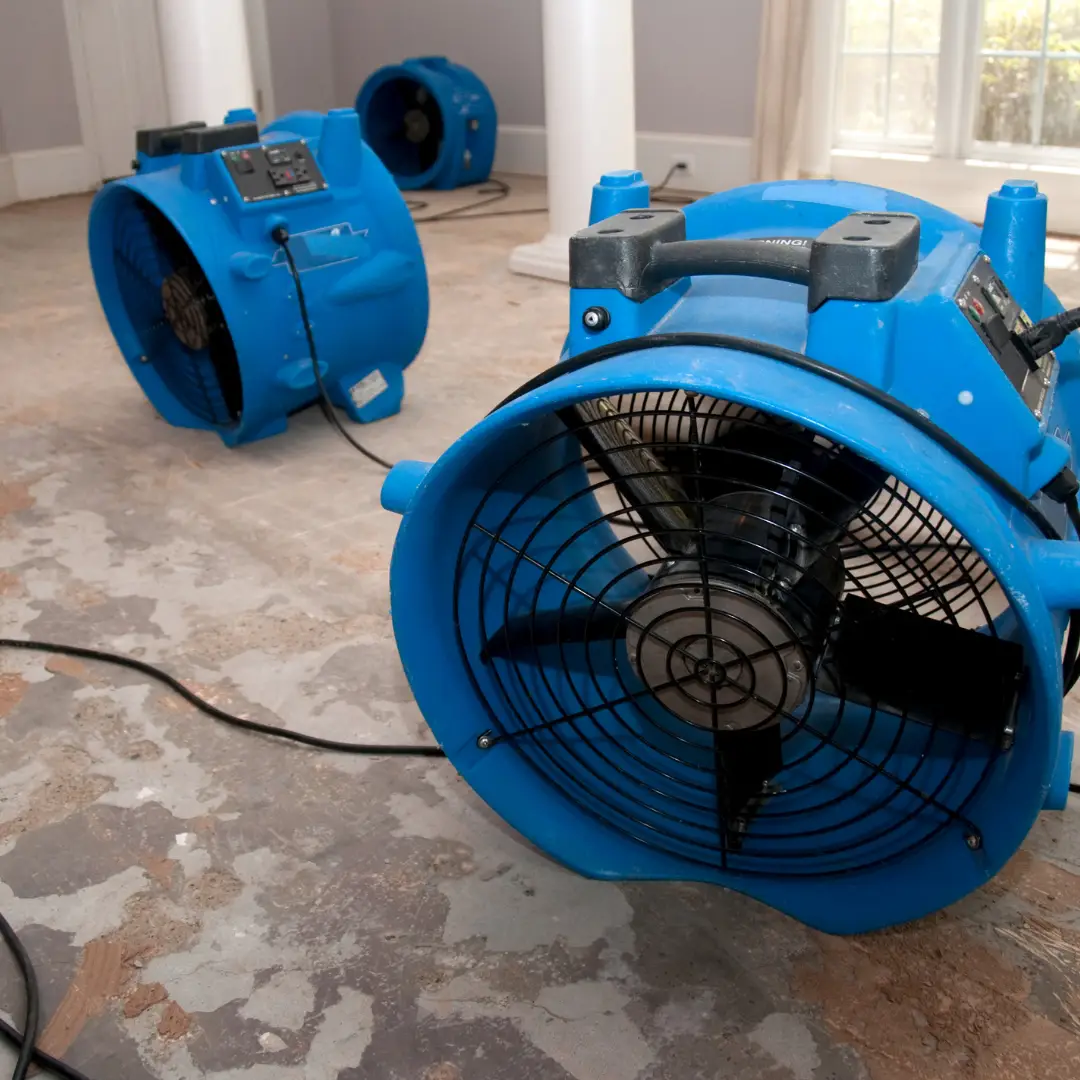
A restoration company can use moisture detection tools, water extraction equipment, air movers, dehumidifiers, and structural drying methods to remove hidden moisture properly. This matters because a surface can look dry while water remains trapped behind walls or under flooring.
Fast cleanup also helps reduce mold risk, odors, material breakdown, and additional property damage.
Final Thoughts
Water damage can spread quickly, especially when moisture reaches flooring, drywall, insulation, or hidden areas behind walls. Acting early can help reduce structural damage, mold risk, odors, and costly repairs.
For homeowners in Northeast Ohio dealing with basement flooding, burst pipes, sump pump failure, sewer backups, roof leaks, or storm-related water damage, Bee Dry Restoration of Cleveland is a local resource for professional water damage restoration, water extraction, structural drying, sewage cleanup, and moisture detection.
