

Interest in sauna heart health and performance recovery continues to grow as more homeowners invest in quality wellness spaces. Research from institutions such as the University of Eastern Finland and publications in journals like JAMA Internal Medicine has helped clarify the connection between regular sauna use and cardiovascular outcomes.
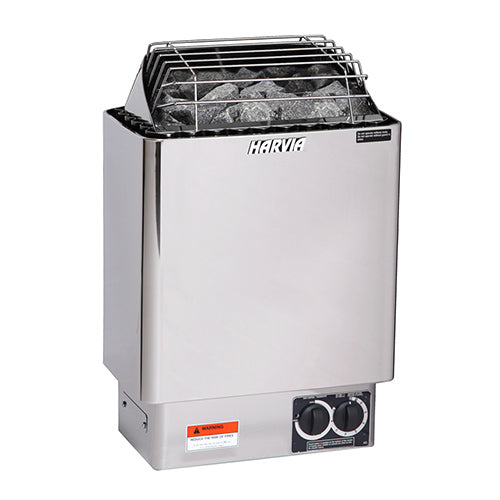
For homeowners considering Electric Sauna Heaters or upgrading an existing system, understanding how heat exposure influences blood flow, heart function, and post-workout recovery is essential. This guide explores evidence-based benefits, practical safety considerations, and how traditional saunas compare to sauna blankets.
Why Sauna Heart Health Is Gaining Attention
Cardiovascular disease remains one of the leading global health concerns. As a result, non-pharmaceutical lifestyle strategies have gained increased attention.
Large Finnish cohort studies have shown an association between frequent sauna bathing and reduced risk of cardiovascular mortality. While these studies show correlation rather than direct causation, they support the broader understanding that controlled heat exposure positively influences circulation and vascular function.
Sauna heart health is primarily connected to how heat affects:
- Heart rate response
- Peripheral blood vessel dilation
- Blood pressure regulation
- Endothelial function
When used properly, a sauna session produces physiological responses similar to moderate exercise, particularly in terms of heart rate and circulation. For individuals cleared by their healthcare provider, this can complement a structured fitness routine.
How Sauna and Blood Flow Work Together
One of the most immediate effects of sauna use is improved sauna and blood flow dynamics.
When exposed to heat, the body activates thermoregulation. Blood vessels near the skin widen, a process known as vasodilation. This allows heat to dissipate more efficiently and increases peripheral circulation.
What Happens Physiologically
- Heart rate can rise to 100 to 150 beats per minute
- Blood vessels dilate
- Cardiac output increases
- Sweating helps regulate core temperature
Improved circulation supports oxygen delivery and metabolic waste removal. For active individuals, this mechanism underpins many sauna cardiovascular benefits and recovery effects.
It is important to note that hydration and session duration significantly influence safety. Most guidelines suggest 10 to 20 minutes per session, depending on tolerance and medical history.
Sauna Cardiovascular Benefits Supported by Research
Several studies have linked regular sauna use with measurable cardiovascular improvements. While more randomized controlled trials are needed, existing evidence suggests meaningful associations.
1. Improved Vascular Function
Heat exposure may enhance endothelial function, which plays a key role in regulating blood pressure and arterial flexibility.
2. Reduced Blood Pressure
Some research indicates short-term reductions in systolic and diastolic blood pressure after sauna sessions.
3. Enhanced Circulatory Efficiency
Repeated heat exposure may improve vascular responsiveness over time.
4. Lower Cardiovascular Risk Association
Long-term observational data from Finland shows lower rates of fatal cardiovascular events among frequent sauna users.
These sauna cardiovascular benefits appear strongest when sauna use is consistent and moderate rather than occasional and prolonged.
Benefits of Sauna After Workout
Using a sauna after training has become common in athletic and recreational fitness communities. The benefits of sauna after workout sessions are primarily linked to circulation and relaxation.
Muscle Relaxation
Heat increases tissue elasticity and reduces muscle tension. This may help decrease post-exercise stiffness.
Enhanced Blood Flow
Improved sauna and blood flow can support nutrient delivery to fatigued muscles.
Stress Reduction
Exercise stimulates the sympathetic nervous system. A sauna session encourages parasympathetic recovery, promoting relaxation.
Cardiovascular Conditioning
Some research suggests that post-exercise heat exposure may amplify cardiovascular adaptation when combined with endurance training.
The benefits of sauna after working out are most effective when the session follows rehydration and a short cool-down period.
10 Benefits of Sauna
The following list summarizes 10 benefits of sauna use supported by current evidence and physiological understanding.
1. Improved circulation
2. Temporary reduction in blood pressure
3. Enhanced vascular flexibility
4. Muscle relaxation
5. Stress reduction
6. Improved sleep quality
7. Potential support for heart health
8. Temporary relief of joint stiffness
9. Heat acclimation support
10. Structured recovery routine after exercise
While these benefits are promising, sauna use should complement, not replace, medical care or prescribed exercise programs.
Electric Sauna Heaters and Cardiovascular Safety
Electric Sauna Heaters provide precise temperature control, which plays a critical role in safe sauna heart health practices.
Why Temperature Control Matters
Traditional electric systems typically operate between 150°F and 195°F. Reliable controls allow gradual heating and consistent output, reducing sudden temperature spikes.
Installation and Ventilation
Proper airflow ensures stable oxygen levels and even heat distribution. Poor ventilation can lead to overheating or discomfort.
Session Timing
For cardiovascular safety:
- Limit sessions to 10 to 20 minutes
- Cool down gradually
- Rehydrate before and after use
- Avoid alcohol before sauna sessions
Individuals with heart conditions should consult a medical professional before beginning routine sauna use.
Benefits of a Sauna After a Workout Compared to Passive Recovery
The benefits of a sauna after workout routines differ from simple rest.
Passive recovery lowers heart rate gradually. Sauna exposure, however, temporarily elevates heart rate while promoting vasodilation. This combination can accelerate circulation compared to resting alone.
Research suggests that heat exposure following endurance exercise may enhance plasma volume expansion, a factor linked to improved cardiovascular efficiency.
However, excessive heat immediately after intense training may increase dehydration risk. Timing and hydration remain critical.
Sauna Blanket Benefits and How They Compare
Interest in sauna blanket benefits and infrared sauna blanket benefits has increased among home wellness consumers.
Infrared sauna blankets use lower ambient air temperatures but heat the body directly through infrared wavelengths.
Potential Sauna Blanket Benefits
- Portability
- Lower power requirements
- Shorter heat-up times
- Localized sweating
Differences From Traditional Saunas
Traditional saunas with Electric Sauna Heaters warm the air and surrounding surfaces. This creates a full-room environment that supports more uniform heat exposure and often stronger cardiovascular response.
Infrared systems may operate at lower temperatures, typically between 110°F and 140°F, which some users find more tolerable.
When evaluating infrared sauna blanket benefits, consider durability, hygiene, and temperature consistency. Blankets may be suitable for limited spaces but do not fully replicate the airflow and ventilation design of a built-in sauna room.
Benefits of Sauna After a Workout for Endurance Athletes
For endurance-focused individuals, the benefits of sauna after a workout may extend beyond relaxation.
Heat acclimation protocols used in sports science suggest that post-training sauna exposure may:
- Improve thermoregulation
- Increase plasma volume
- Enhance perceived exertion tolerance
These adaptations can be beneficial for athletes training in hot climates.
However, structured protocols typically involve supervised conditions. Home sauna users should adopt conservative session lengths and avoid combining high-intensity workouts with prolonged heat exposure.
Infrared Sauna Blanket Benefits Versus Electric Sauna Heaters
When comparing infrared sauna blanket benefits with traditional systems, several technical differences matter.
Heating Mechanism
- Electric Sauna Heaters heat stones and air
- Infrared blankets heat the body directly
Cardiovascular Load
Traditional saunas typically create higher ambient temperatures, which may produce a stronger heart rate response.
Installation and Longevity
Permanent sauna installations with proper insulation, vapor barriers, and ventilation provide more consistent long-term performance. Sauna blankets offer flexibility but may not deliver the same full-body environmental experience.
For homeowners seeking long-term sauna heart health support, stable temperature control and ventilation design remain essential considerations.
Practical Safety Guidelines
Responsible sauna use ensures that sauna cardiovascular benefits are realized without unnecessary risk.
Hydration
Sweat loss can be significant. Rehydration before and after sessions is critical.
Medical Clearance
Individuals with:
- Cardiovascular disease
- Uncontrolled hypertension
- Arrhythmias
- Recent cardiac events
should seek professional medical advice before regular sauna use.
Gradual Progression
Start with shorter sessions and moderate temperatures. Allow the body to adapt gradually.
Avoid Alcohol
Alcohol increases dehydration risk and impairs thermoregulation.
Integrating Sauna Use Into a Home Wellness Routine
For homeowners investing in Electric Sauna Heaters, integration into a weekly routine is more important than intensity.
A balanced schedule might include:
- 2 to 4 sessions per week
- 10 to 20 minutes per session
- Post-workout use on moderate training days
- Rest day sessions for relaxation
Consistency appears more beneficial than infrequent, prolonged exposure.
When properly installed and ventilated, a home sauna becomes a structured environment that supports circulation, relaxation, and recovery.
Final Thoughts on Sauna Heart Health
Current research supports meaningful associations between regular sauna use and improved cardiovascular markers. Sauna and blood flow dynamics explain many of these outcomes, including vasodilation and heart rate elevation.
The benefits of sauna after workout sessions include muscle relaxation, enhanced circulation, and stress reduction. For some individuals, structured heat exposure may complement endurance training adaptations.
Sauna blanket benefits and infrared sauna blanket benefits offer portable alternatives, but built-in systems powered by Electric Sauna Heaters provide greater environmental control and durability.
When used responsibly, sauna therapy can be a practical addition to a wellness-focused home. The key lies in proper installation, temperature management, hydration, and moderation.
Evidence-based use, not excess, defines the safest path toward long-term sauna cardiovascular benefits.
