

Key Takeaways
- Eco-friendly materials and energy-efficient systems can dramatically lower a home’s environmental impact.
- Integrating renewable energy solutions, such as solar and geothermal, supports energy independence and reduces utility costs.
- Biophilic design, which focuses on connection with nature, has measurable benefits for occupant health and happiness.
- Effective water conservation strategies are crucial to sustainable home design, as they protect a vital and often scarce resource.
- Adaptive reuse of buildings offers a sustainable alternative to new construction, preserving heritage while minimizing waste.
Table of Contents
- Introduction
- Eco-Friendly Materials and Energy Efficiency
- Integration of Renewable Energy Sources
- Biophilic Design: Connecting with Nature
- Water Conservation Measures
- Adaptive Reuse and Preservation
- Case Studies in Sustainable Residential Architecture
- Future Trends in Sustainable Home Design
- Conclusion
As global awareness of environmental issues grows, sustainable residential architecture takes a leading role in responsible home-building. Modern homeowners and designers are turning to approaches that balance comfort and efficiency while minimizing their negative impact on the planet. Whether exploring new construction options or retrofitting existing buildings, choosing the right strategies is crucial to creating living spaces that are both inviting and resource-efficient. For those interested in shaping homes that blend modern luxury with environmental stewardship, it’s worth consulting with local professionals, such as architects in Ardmore, PA who specialize in sustainable design techniques.
Modern residential design can now meet stringent environmental standards while maintaining aesthetic appeal and livability. The integration of renewable energy, eco-friendly materials, and water-efficient systems reflects a commitment to sustainability for future generations. Sustainable homes offer benefits such as improved indoor air quality, reduced utility costs, and enhanced community resilience, promoting occupant health and well-being. By understanding innovative practices in sustainable design, homeowners can make informed choices that lead to lasting investments and creatively address urgent environmental concerns.
Eco-Friendly Materials and Energy Efficiency
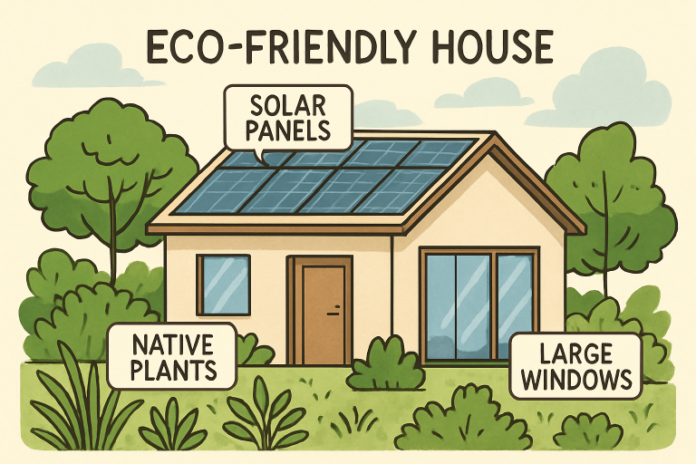
Rethinking material choice is a cornerstone of sustainable residential architecture. Opting for rapidly renewable or recycled materials, such as bamboo, reclaimed wood, and recycled metal, dramatically reduces resource extraction and environmental damage. In addition, high-performance insulation and advanced window technology reduce a home’s reliance on heating and cooling systems, leading to consistently lower energy bills and a smaller ecological footprint.
Choosing locally sourced materials also lessens the energy costs and emissions associated with transportation. Products carrying certifications such as LEED or ENERGY STAR offer assurance that homes meet stringent standards for environmental performance while maintaining comfort and retaining their resale value.
Integration of Renewable Energy Sources
The inclusion of renewable energy systems is central to cutting the carbon footprint of residential properties. Solar panels, geothermal heat pumps, and small-scale wind turbines all have the capacity to generate significant amounts of clean energy. For example, the Solar Umbrella House in Los Angeles demonstrates how architecture can be tailored to accommodate renewable energy production, providing nearly all of the home’s electrical needs from an integrated solar array.
These systems are becoming more accessible to individual homeowners thanks to lower equipment costs, state and federal incentives, and improved integration with home automation. As costs drop and storage options improve, more families will be able to reduce reliance on traditional grid power.
Biophilic Design: Connecting with Nature
Biophilic design isn’t just a stylistic trend—it’s a response to the growing evidence that proximity to nature supports physical and mental health. By integrating large windows, skylights, indoor plants, water features, and direct garden access, architects can help occupants maintain a closer connection to the outdoors. Projects like Rumah Harumi in Bali demonstrate how indoor and outdoor spaces can blend seamlessly for enhanced well-being and relaxation.
Beyond aesthetics, this design philosophy helps regulate indoor climate and improve air quality, turning houses into restorative sanctuaries where residents can thrive.
Water Conservation Measures
Freshwater scarcity is a growing concern globally, making water conservation strategies essential in modern home design. Rainwater harvesting systems, greywater recycling, and the use of low-flow fixtures all cut day-to-day water usage, while drought-resistant landscaping further protects local ecosystems and groundwater reserves. Permeable surfaces can also help manage stormwater runoff and prevent urban flooding, particularly important in dense residential areas.
Research shows that simple changes, such as installing WaterSense-labeled fixtures, can reduce household water consumption by as much as 20%, underlining the impact of conscious design choices.
Adaptive Reuse and Preservation
In many communities, transforming existing structures into residences is a powerful way to conserve resources and preserve local character. Adaptive reuse projects breathe new life into warehouses, factories, or historic homes, often employing creative design solutions to overcome the challenges posed by older buildings. An excellent example is the Lincoln Research House, which serves as a model for retrofitting mid-century buildings with sustainable systems while still maintaining their architectural integrity.
This approach significantly reduces demolition and construction waste, making it one of the most resource-efficient strategies available to homeowners and developers alike.
Case Studies in Sustainable Residential Architecture
- Tecla House: Utilizing locally sourced clay and 3D printing technology, this home showcases the potential for environmentally friendly mass-production techniques in housing. Its minimal-impact process and innovative forms represent a leap forward in sustainable construction.
- Colorado Court Housing: A pioneering affordable housing project in Santa Monica, this complex demonstrates how energy-neutral living can be achieved at scale through careful site orientation, solar power integration, and high-efficiency systems.
Future Trends in Sustainable Home Design
Sustainable design is evolving rapidly. Technologies such as advanced energy modeling, which use artificial intelligence and big data to optimize home performance, are becoming increasingly common. Tools that incorporate predictive control and hybrid algorithms are helping builders make informed decisions about insulation, ventilation, and energy usage long before construction begins.
Another exciting frontier is the application of hypergraph models to optimize urban density and reduce emissions, ensuring that new developments utilize space and resources efficiently while enhancing quality of life.
Conclusion
Sustainable residential architecture is more than simply adopting green technologies; it’s a holistic process that seeks to harmonize modern living with the planet’s needs. By embracing the principles of energy efficiency, renewable resources, water stewardship, biophilic design, and adaptive reuse, both homeowners and professionals are contributing to the creation of resilient, vibrant communities for the future. As technology and design philosophies advance, today’s sustainable homes will serve as the blueprint for brighter, greener living in the years to come.
